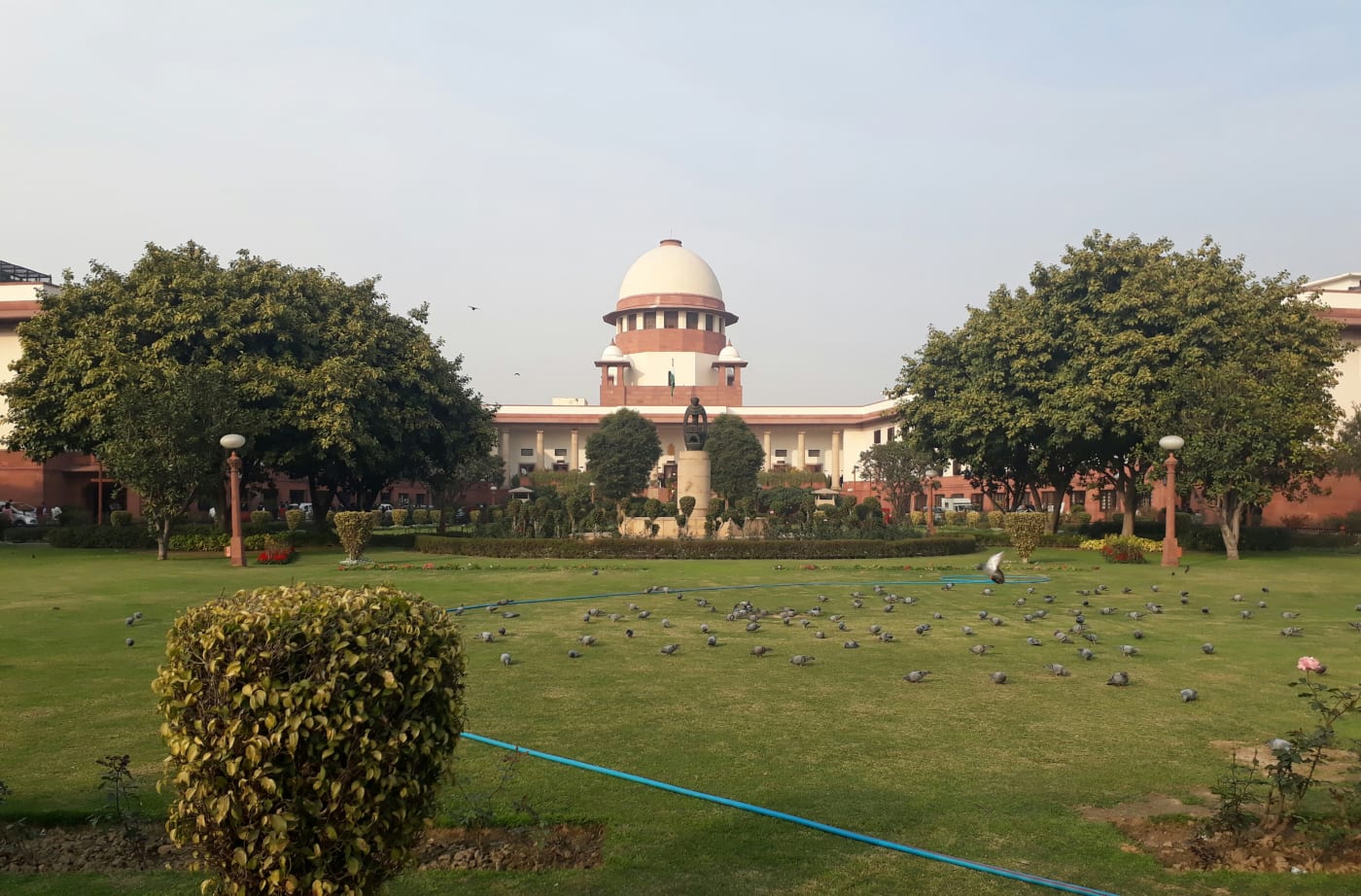
Talaq-e-biddat allowed a husband to divorce his wife instantly and irrevocably by pronouncing talaq three times. On 22 August 2017, in Shayara Bano v. Union of India, five judges of the Supreme Court set the practice aside by a 3:2 majority. According to a PIB e-booklet, around 100 instances were still reported between the judgment and 28 December 2017, when a Bill was introduced in Parliament.
Triple Talaq Law
Triple Talaq Law
Talaq-e-biddat, or instant triple talaq, let a husband end a marriage instantly and irrevocably by pronouncing talaq three times. On 22 August 2017 the Supreme Court set the practice aside by a 3:2 majority. Ordinances from September 2018 gave the ruling legal force, and Parliament passed the Muslim Women (Protection of Rights on Marriage) Act in July 2019, in force from 19 September 2018. The Act declares instant triple talaq void and illegal, makes it punishable with up to 3 years' imprisonment and a fine, and entitles the woman to subsistence allowance and custody of her children.
3:2
Supreme Court majority setting aside instant triple talaq (22 Aug 2017)
3 years
Maximum imprisonment, with a fine (Act in force from 19 Sep 2018)
About 82%
Fall in cases cited by the Minority Affairs Minister (31 Jul 2020)
Act passed by Parliament (in force from 19 Sep 2018)
2017
Supreme Court sets aside instant triple talaq
On 22 August 2017, in Shayara Bano v. Union of India, the Supreme Court set aside the practice of talaq-e-biddat (instant triple talaq) by a 3:2 majority.
2017
Bill introduced in Parliament
A Bill was introduced in Parliament on 28 December 2017. According to a PIB e-booklet, around 100 instances of instant triple talaq were reported between the judgment and that date.
2018
First Ordinance promulgated
2019
Second Ordinance of 2019
2019
Parliament passes the Act
2020
Minister cites fall in cases
2021
Muslim Women Rights Day
2017
2milestones
20172021
Latest
Bill introduced in Parliament
A Bill was introduced in Parliament on 28 December 2017. According to a PIB e-booklet, around 100 instances of instant triple talaq were reported between the judgment and that date.
Why it matters According to the government, after the 2017 judgment there was no law to punish those who continued the practice or to give remedies to the women affected. The Act lets a woman go to the police and the courts, claim subsistence allowance for herself and dependent children, and keep custody of minor children. The husband can be granted bail only after the Magistrate has heard her.
- 22 August 2017: the Supreme Court set aside instant triple talaq by a 3:2 majority in Shayara Bano v. Union of India.
- 19 September 2018: the first Ordinance was promulgated; the 2019 Act later took effect from this date.
- 25 and 30 July 2019: the Lok Sabha and the Rajya Sabha passed the Muslim Women (Protection of Rights on Marriage) Bill, 2019.
- 12 June 2019: the Bill approved by the Cabinet made the offence cognizable when reported by the woman or a relative by blood or marriage, and compoundable at her instance with the Magistrate's permission.
- 31 July 2020: Minority Affairs Minister Mukhtar Abbas Naqvi said cases had fallen by about 82 per cent in the year after the law was passed.
History
Notable milestone
The Muslim Women (Protection of Rights on Marriage) Ordinance, 2018 was promulgated on 19 September 2018, and two more Ordinances followed, the last on 21 February 2019. The Cabinet approved a fresh Bill on 12 June 2019. The Lok Sabha passed it on 25 July 2019 and the Rajya Sabha on 30 July 2019. After Presidential assent, the Act came into force with retrospective effect from 19 September 2018.
How it works
The Act declares instant triple talaq void and illegal and punishable with imprisonment of up to 3 years and a fine. The woman is entitled to subsistence allowance for herself and dependent children, and to custody of her minor children. As described in the Bill approved by the Cabinet in June 2019, the offence is cognizable when the woman or a relative by blood or marriage reports it to the police, and can be compounded at her instance with the Magistrate's permission. The Magistrate must hear her before releasing the husband on bail.
Outlook
The Ministry of Minority Affairs has marked 1 August as Muslim Women Rights Day, with events on 31 July 2020 and 1 August 2021. At the 2020 event, Minister Mukhtar Abbas Naqvi said cases had declined by about 82 per cent in the year since the law was passed. In 2021 he spoke of a significant decline without giving a figure. These are ministerial statements; the releases cited here give no count of cases registered under the Act.
By the numbers
3:2 Supreme Court majority (22 Aug 2017). Around 100 instances reported between the judgment and 28 Dec 2017. 3 Ordinances, the first on 19 Sep 2018. Bill passed by the Lok Sabha on 25 Jul 2019 and the Rajya Sabha on 30 Jul 2019. Up to 3 years imprisonment and a fine. About 82% fall in cases, as stated by the Minority Affairs Minister (31 Jul 2020). Sources: Supreme Court of India; Ministries of Law and Justice, Home Affairs and Minority Affairs via PIB.
Data current to: 2017 to 2021
Source: Supreme Court of India; Ministries of Law and Justice, Home Affairs and Minority Affairs via PIB. A timeline of the law on instant triple talaq, 2017 to 2021: the Supreme Court judgment of 22 August 2017, the Ordinances of 2018 and 2019, the Act passed by Parliament in July 2019, and later ministerial statements. The headline and the Act's main provisions are from the PIB e-booklet on the Act (linked). · link