CCTNS began in June 2009 with an outlay of ₹2,000 crore to computerise police work and connect all police stations. In November 2015 the Cabinet Committee on Economic Affairs approved its extension and revamp. Prisons are a State List subject and were governed by the Prisons Act, 1894, which focused on custody and discipline and had no provision for reform. The Ministry of Home Affairs circulated a Model Prison Manual to the States in May 2016.
Police & Prison Reform
Police & Prison Reform
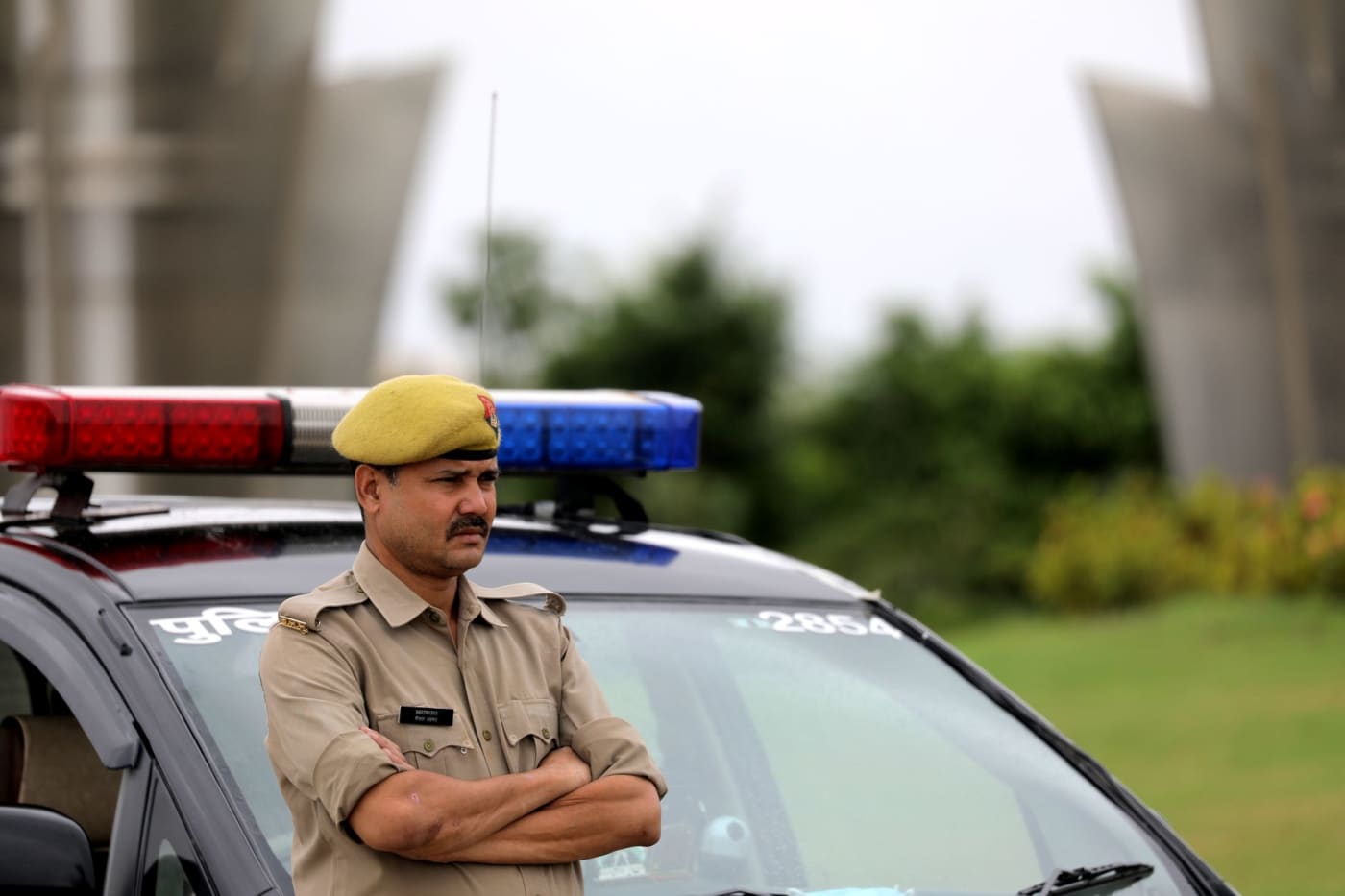
Police and prisons are run by the States, and the Union Government supports them through schemes and model laws. CCTNS, begun in June 2009, now links every police station: all 17,798 were using it as on 1 February 2026. The Inter-operable Criminal Justice System connects CCTNS with e-Forensics, e-Prosecution, e-Courts and e-Prisons, which covered 1,373 prisons by June 2025. The National Forensic Sciences University was established in 2020, and the Model Prisons and Correctional Services Act, 2023 was sent to the States in May 2023. The timeline traces the milestones.
₹26,275 crore
Central outlay, police modernisation scheme (2021-22 to 2025-26)
1,373
Prisons on e-Prisons (June 2025)
951 → 334
Undertrials identified → granted bail under BNSS 479 (to 26 Nov 2024)
Police stations using CCTNS (1 Feb 2026)
2015
CCTNS extended and revamped
On 18 November 2015 the Cabinet Committee on Economic Affairs approved extending and revamping the Crime and Criminal Tracking Network and Systems, a project begun in June 2009 to connect all police stations.
2016
Model Prison Manual 2016
2017
Umbrella scheme for police modernisation
2020
National Forensic Sciences University
2022
Police scheme continued; ICJS Phase II approved
2023
Model Prisons and Correctional Services Act
2024
Forensic scheme and relief for undertrials
2026
Every police station on CCTNS
2015
1milestones
20152026
Latest
CCTNS extended and revamped
On 18 November 2015 the Cabinet Committee on Economic Affairs approved extending and revamping the Crime and Criminal Tracking Network and Systems, a project begun in June 2009 to connect all police stations.
Why it matters When police records, forensic reports, court files and prison records sit in one connected system, a case moves with less paperwork and fewer delays. Trained forensic staff make evidence more reliable, and bail provisions for long-detained undertrials reduce the time people spend in jail before their trial ends.
- As on 1 February 2026, all 17,798 police stations were using CCTNS.
- By June 2025, e-Forensics ran in 117 forensic science laboratories, e-Prosecution in 751 prosecution districts, e-Courts in 3,637 court complexes and e-Prisons in 1,373 prisons.
- Under the BNSS (in force from 1 July 2024), a forensic expert must visit the crime scene for offences punishable with seven years or more.
- BNSS section 479: an undertrial who has served half the maximum sentence is to be released on bail, and a first-time offender who has served one-third on bond (from 1 July 2024).
- As of August 2025, no State Government had confirmed to the Ministry of Home Affairs that it had adopted the Model Prisons Act, 2023.
History
Notable milestone
As on 1 February 2026, all 17,798 police stations were using CCTNS, up from 14,874 covered in July 2019. By June 2025 the other pillars were also online: e-Forensics in 117 laboratories, e-Prosecution in 751 prosecution districts, e-Courts in 3,637 court complexes and e-Prisons in 1,373 prisons. The Inter-operable Criminal Justice System links these so that data moves between police, forensics, prosecution, courts and prisons.
How it works
The Modernisation of Police Forces umbrella scheme funds equipment, technology, forensics and security costs, with a central outlay of ₹26,275 crore for 2021-22 to 2025-26. ICJS Phase II (₹3,375 crore, 2022-23 to 2025-26) is implemented by the National Crime Records Bureau with the National Informatics Centre and aims at a shift towards SMART policing. Under the BNSS, a forensic expert must visit the scene of offences punishable with seven years or more. The National Forensic Sciences University (2020) trains forensic staff, backed by a ₹2,254.43 crore infrastructure scheme for 2024-25 to 2028-29.
Outlook
The Model Prisons and Correctional Services Act, 2023 covers parole, furlough and remission, safety of women and transgender inmates, and rehabilitation, but States must enact their own laws; as of August 2025 none had confirmed adoption. On undertrials, the Ministry advised States on 1 January 2025 to apply BNSS section 479 on a continuous basis, not as a one-time exercise. The forensic infrastructure scheme, which includes 9 off-campuses of the NFSU (₹1,309.13 crore), runs to 2028-29.
By the numbers
17,798 police stations using CCTNS (1 February 2026). 1,373 prisons on e-Prisons and 117 labs on e-Forensics (June 2025). ₹26,275 crore central outlay for police modernisation (2021-22 to 2025-26). ₹3,375 crore for ICJS Phase II. 951 undertrials identified and 334 granted bail under BNSS section 479 (to 26 November 2024). Sources: Ministry of Home Affairs, NCRB, PIB.
Data current to: As on 1 February 2026, reported 11 March 2026
Source: Ministry of Home Affairs via PIB — dated milestones in police modernisation, forensics and prison reform, 2015–2026. Headline: Rajya Sabha written reply, 11 March 2026, stating that as on 1 February 2026 all 17,798 police stations are using CCTNS (linked). Earlier replies gave 17,792 (1 January 2026) and 17,712 (June 2025). · link