For over 160 years India ran on criminal laws written by the British — the Indian Penal Code (1860), the Code of Criminal Procedure and the Indian Evidence Act (1872). They were designed to control a colony, not serve its citizens. In December 2023 Parliament passed three replacement codes, and they came into force on 1 July 2024.
Justice & Legal Reform
Justice & Legal Reform
On 1 July 2024, India replaced three colonial-era codes — the Indian Penal Code (1860), the CrPC and the Evidence Act — with the Bharatiya Nyaya Sanhita, the Bharatiya Nagarik Suraksha Sanhita and the Bharatiya Sakshya Adhiniyam. The reform puts victims and technology at the centre, from e-FIRs to forensic evidence.
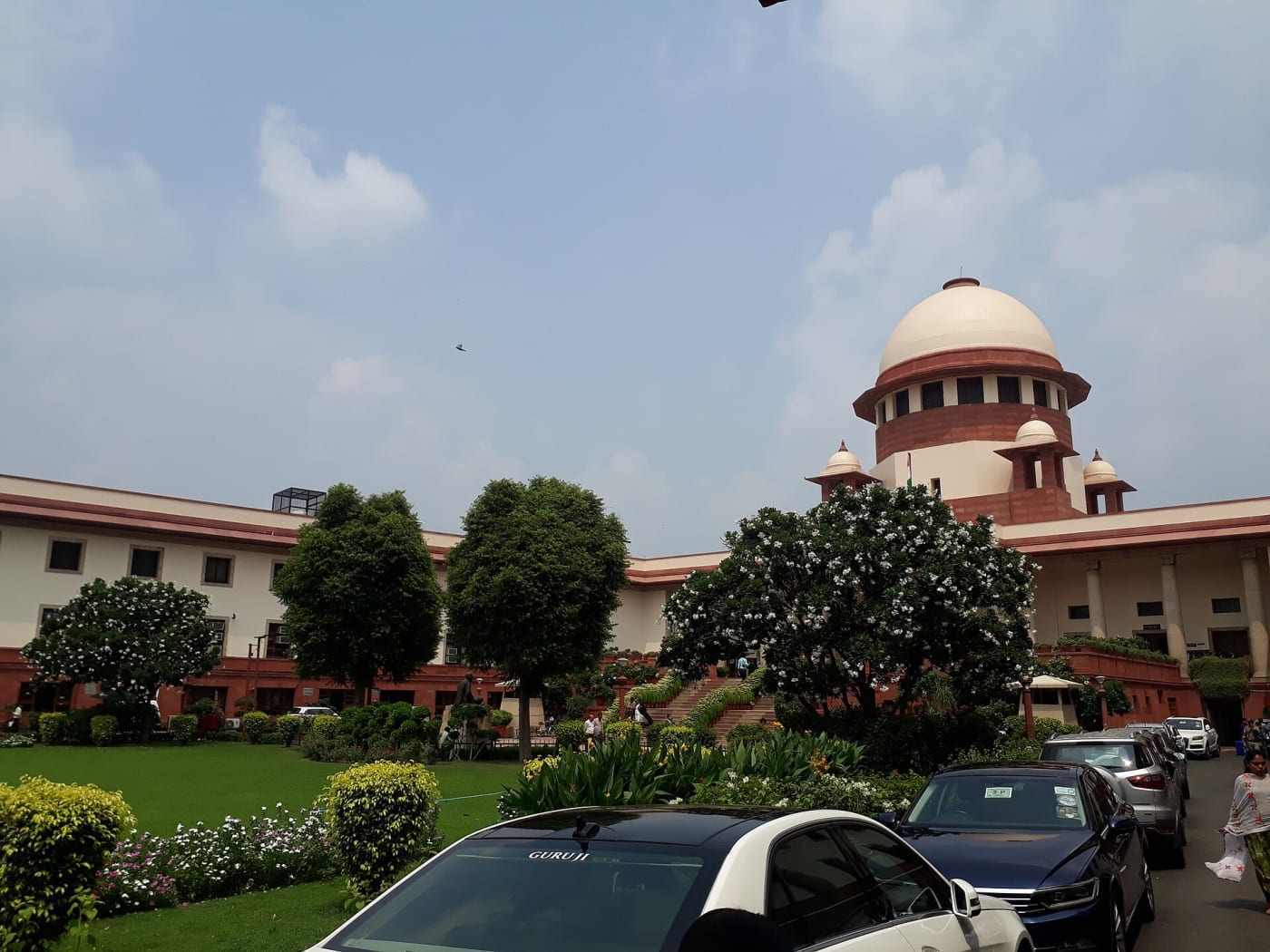
IPC → BNS
Colonial code replaced
1,562
Old and redundant laws repealed (2014 to Jan 2024)
71
Obsolete laws removed by the Repealing and Amending Act, 2025
Key milestones since 2014
2017
Tele-Law advice service launched
2019
Fast Track Special Courts scheme begins
2023
e-Courts Phase III approved
2023
Parliament passes three criminal codes
2024
1,562 old laws repealed since 2014
2024
New criminal laws take effect
2025
71 obsolete Acts repealed
2026
753 crore court pages digitised
2014
0milestones
20142026
Why it matters The old codes were written for 19th-century colonial rule. The new laws add offences like organized crime and mob lynching, mandate forensics for serious crimes, allow online and zero-FIRs, and set time limits for investigation and trial — aiming for faster, more accessible justice.
- The three new criminal laws took effect on 1 July 2024, replacing the IPC, CrPC and Evidence Act.
- Incidents can now be reported electronically (e-FIR), and a zero-FIR can be filed at any police station regardless of jurisdiction.
- When Parliament passed the laws in December 2023, the Home Minister said records of zero-FIRs, e-FIRs and all cases would be digitised nationwide by 2027.
- A forensic team's visit is now mandatory for offences punishable with 7 years or more; summons can be served electronically.
History
Notable milestone
The three new laws — Bharatiya Nyaya Sanhita (BNS), Bharatiya Nagarik Suraksha Sanhita (BNSS) and Bharatiya Sakshya Adhiniyam (BSA) — replaced the colonial trio in one stroke. They add modern offences (organized crime, terrorism, mob lynching), make forensic examination mandatory for serious crimes, and put victims and speed at the centre.
How it works
Incidents can now be reported electronically as e-FIRs, or as zero-FIRs at any police station regardless of jurisdiction. Forensic teams must visit crime scenes in offences punishable with 7 years or more; summons and evidence can move electronically; and investigations and trials carry statutory time limits. The Interoperable Criminal Justice System (ICJS) links police, courts, prisons, prosecution and forensics.
Outlook
The new codes set statutory time limits for investigation and trial and move summons, FIRs and evidence online; their effect depends on police, prosecutors, forensic laboratories and courts working to those limits. The clean-up of the statute book continues alongside: 1,562 old and redundant laws were repealed from 2014 to January 2024, and the Repealing and Amending Act, 2025 removed 71 more. Court digitisation and virtual hearings are covered on the e-Courts & Judiciary page.
By the numbers
3 new criminal codes in force since 1 July 2024. They replaced the IPC (1860), CrPC and Evidence Act (1872). e-FIR / zero-FIR given legal backing. Records of all cases to be digitised by 2027 (Home Minister, December 2023). 1,562 old and redundant laws repealed (2014 to January 2024); 71 more removed in 2025. Sources: Ministry of Home Affairs, Ministry of Parliamentary Affairs, PIB.
Data current to: In force from 1 July 2024
Source: Ministry of Home Affairs via PIB (linked): the Bharatiya Nyaya Sanhita, Bharatiya Nagarik Suraksha Sanhita and Bharatiya Sakshya Adhiniyam, notified on 25 December 2023, came into force on 1 July 2024, replacing the Indian Penal Code (1860), the Code of Criminal Procedure (1973) and the Indian Evidence Act (1872). Ministry of Parliamentary Affairs via PIB: 1,562 old and redundant laws repealed from 2014 to January 2024. Court digitisation and virtual hearings are on the e-Courts & Judiciary page. This is a change in the law, not a year-by-year series, so no chart is shown. · link