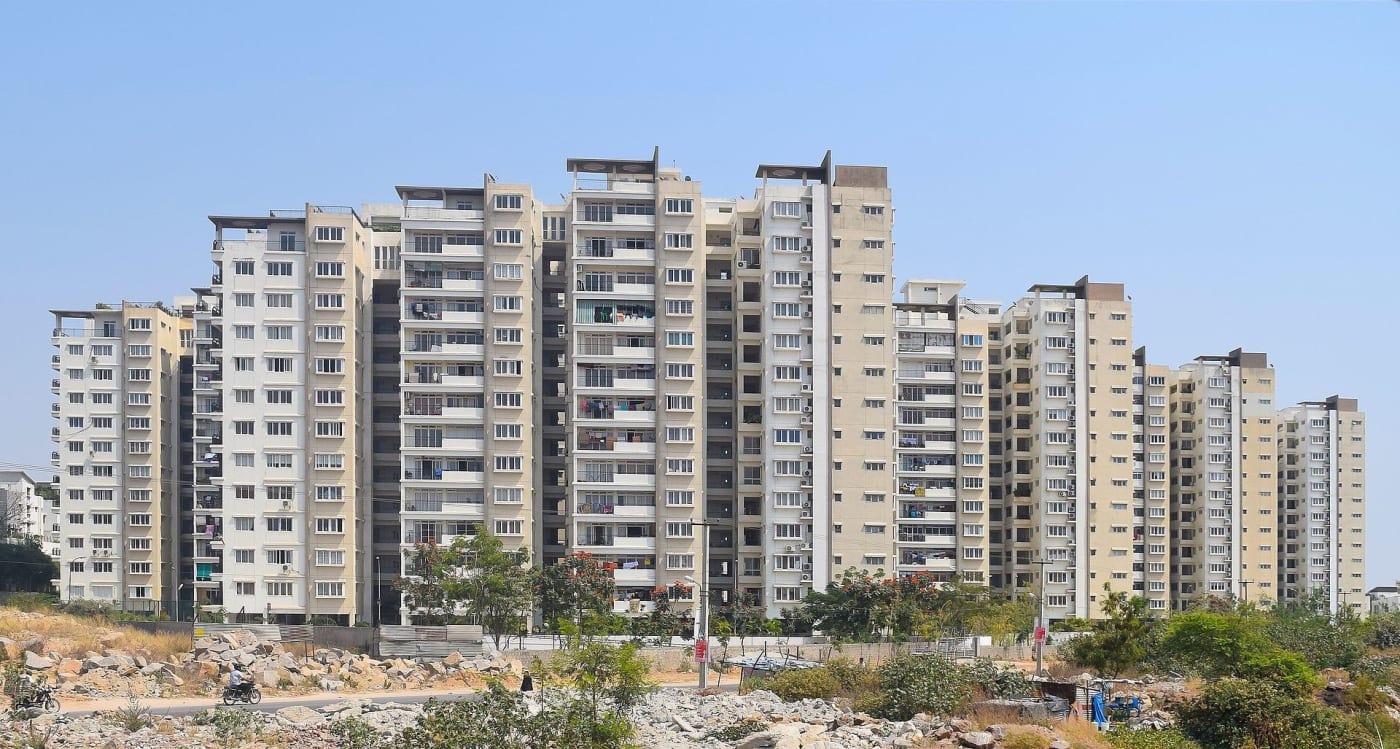
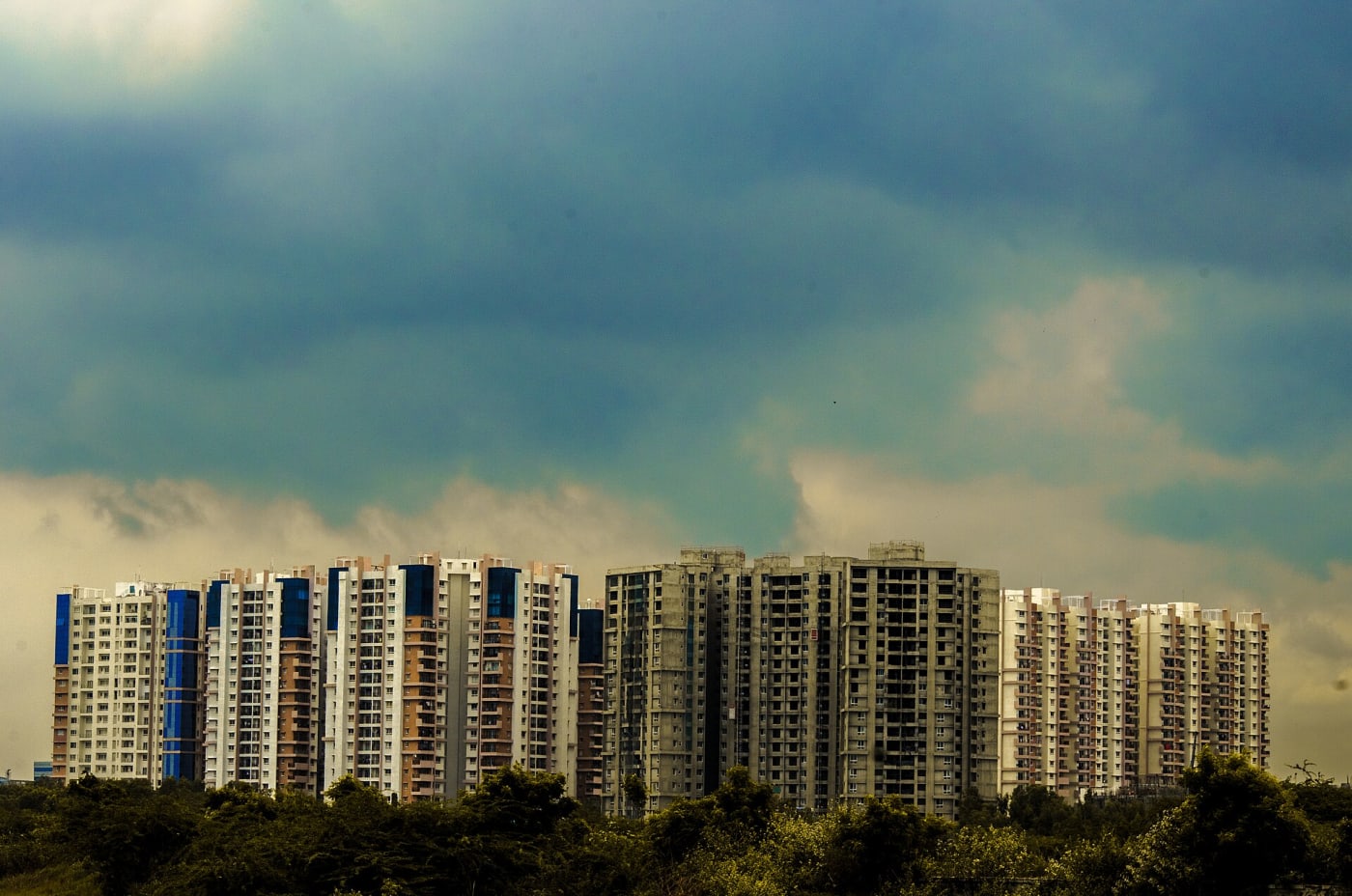
Launched in 2015, the Pradhan Mantri Awas Yojana set out to give every eligible poor family a pucca (permanent) house. It runs in two parts — Urban (PMAY-U) and Gramin (PMAY-G) — and has completed about 3.9 crore houses: 2.99 crore rural by March 2026 and over 93 lakh urban by June 2025, one of the largest housing programmes in the world.
Housing
Housing
The Pradhan Mantri Awas Yojana, launched in 2015, aimed to give every poor family a pucca house with a toilet, power, water and a gas connection. By March 2026 about 3.9 crore houses had been completed — 2.99 crore rural and, by June 2025, over 93 lakh urban — most registered in or co-owned by women. The counter shows PMAY houses completed, in crore.
~3.9 crore
PMAY houses completed
2.99 crore
Rural (PMAY-G), Mar 2026
93.19 lakh
Urban (PMAY-U), Jun 2025
PMAY houses built
| Year | PMAY houses built |
|---|---|
| 2015 | 0.0 crore |
| 2016 | 0.3 crore |
| 2017 | 0.8 crore |
| 2018 | 1.3 crore |
| 2019 | 1.9 crore |
| 2020 | 2.4 crore |
| 2021 | 2.9 crore |
| 2022 | 3.2 crore |
| 2023 | 3.5 crore |
| 2024 | 3.8 crore |
| 2026 | 3.9 crore |
| Dashed bars are years the source does not publish; the shape between published years is drawn, not measured. | |
2015
0.0crore
PMAY houses built
20152026
Since 2015
Added
+3.9 crore
2015
0.0 crore
2026
3.9 crore
Dashed bars are years the source does not publish; the shape between published years is drawn, not measured.
Why it matters A secure home is one of the most direct improvements to a poor family's stability, health and dignity, and construction is a major source of rural jobs.
- PMAY houses completed: ~3.9 crore (Rural 2.99 crore, Mar 2026 + Urban 93.19 lakh, Jun 2025)
- Most houses owned or co-owned by women
- Source: MoHUA / Ministry of Rural Development
History
Notable projects
The programme was designed to converge with other schemes, so a PMAY house typically comes with a toilet (Swachh Bharat), an electricity connection (Saubhagya), an LPG connection (Ujjwala) and tap water (Jal Jeevan). A large majority of houses are owned or co-owned by women, and about 60% of rural houses went to SC/ST families — making it a tool for social equity as well as shelter.
How it works
The Pradhan Mantri Awas Yojana (PMAY) delivers housing in two streams: PMAY-Gramin builds pukka (permanent) houses for the rural poor, and PMAY-Urban helps city families through subsidies, including an interest subsidy on home loans. Beneficiaries are chosen from deprivation data, money is released in tranches as construction progresses (tracked with geo-tagged photos), and houses are usually built by the family itself with government support.
Outlook
PMAY has already delivered about 3.9 crore houses, one of the largest housing drives anywhere. The scheme has been extended as PMAY 2.0 (2024) to build about 3 crore more homes. PMAY 2.0 pairs each new house with basic services — piped water under Jal Jeevan, a toilet under Swachh Bharat, and an electricity connection — and widens coverage in the fast-growing cities where affordable housing demand is highest.
By the numbers
~3.9 crore PMAY houses completed (2015→March 2026). 2.99 crore rural + 93.19 lakh urban. Most owned/co-owned by women; ~60% of rural to SC/ST. Sources: MoHUA, Ministry of Rural Development.
Data current to: rural as on 31 March 2026; urban as of June 2025
Source: MoRD / MoHUA via PIB — houses completed under Pradhan Mantri Awas Yojana, Gramin plus Urban (crore), 2015–March 2026. The linked release covers the rural half: 2.99 crore PMAY-G houses completed as on 31 March 2026. PMAY-U adds more than 93.19 lakh houses constructed and delivered as of 18 June 2025 (PIB PRID 2137416). · link