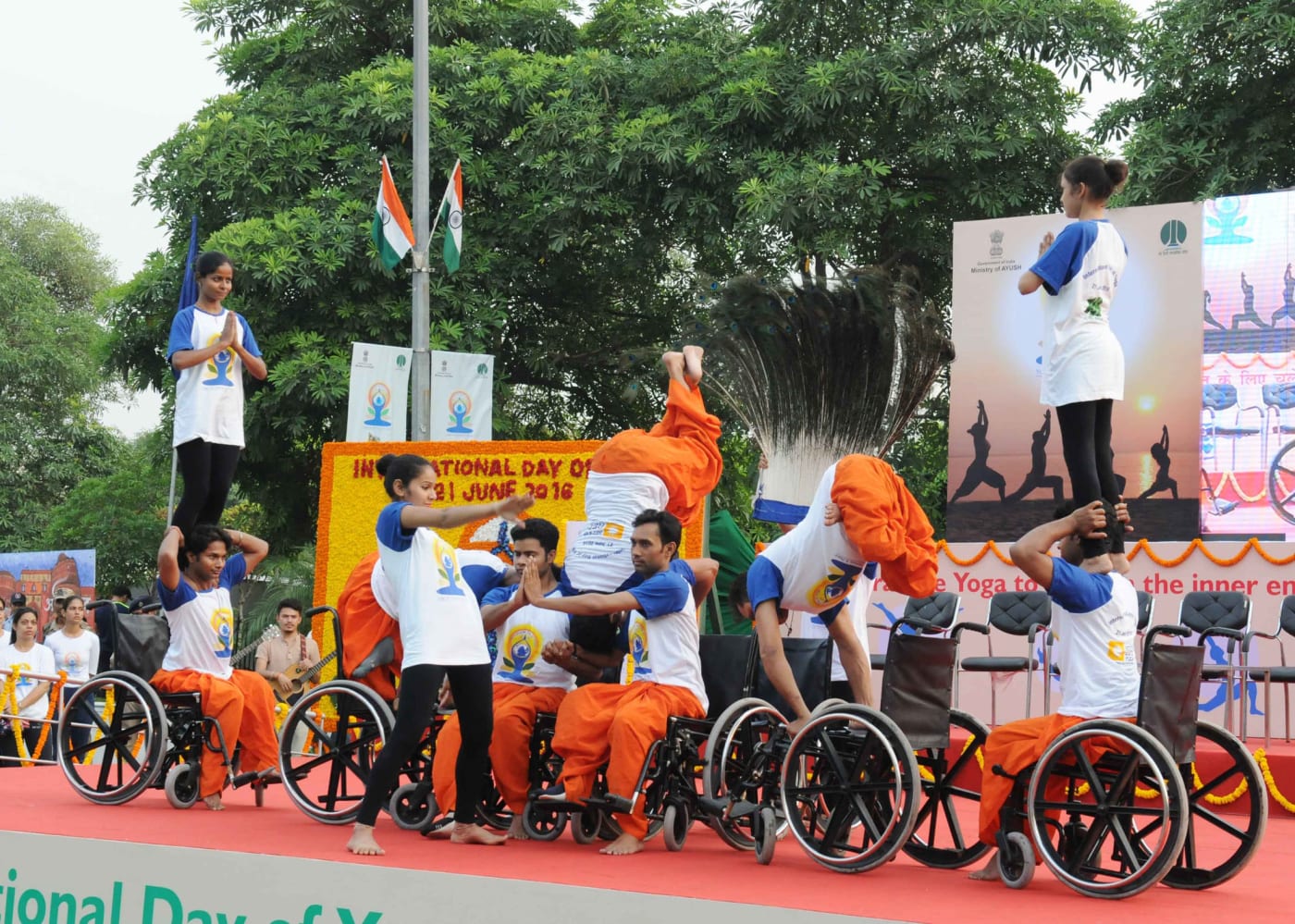
India's first comprehensive disability law was the Persons with Disabilities (Equal Opportunities, Protection of Rights and Full Participation) Act, 1995. Parliament passed the Rights of Persons with Disabilities Act in December 2016, and it came into force on 19 April 2017, replacing the 1995 Act. The new law recognises 21 categories of specified disabilities and places a legal duty on governments to ensure accessibility, non-discrimination and full participation. The Accessible India Campaign had already been launched on 3 December 2015, the International Day of Persons with Disabilities.
Divyangjan & Accessibility
Divyangjan & Accessibility
The Rights of Persons with Disabilities Act, 2016 came into force on 19 April 2017, replacing the 1995 Act; it recognises 21 categories of specified disabilities and mandates at least 4% reservation in government jobs and 5% in higher education for persons with benchmark disabilities. The Accessible India Campaign (Sugamya Bharat Abhiyan), launched on 3 December 2015, works to make buildings, transport and digital services accessible. The Unique Disability ID project, which issued its first card on 27 January 2017, had generated 1,34,73,833 cards by March 2026. The counter shows cumulative UDID cards generated.
2,62,632
ADIP beneficiaries of aids and assistive devices (1 Jan–31 Dec 2025)
709
Railway stations made fully accessible (Dec 2024)
29
Paralympic medals at Paris 2024
UDID cards generated (crore, cumulative)
| Year | UDID cards generated |
|---|---|
| 2023 | 1.00 crore |
| 2024 | 1.10 crore |
| 2026 | 1.35 crore |
| Dashed bars are years the source does not publish; the shape between published years is drawn, not measured. | |
2023
0.00crore
UDID cards generated
20232026
Since 2023
Added
+0.35 crore
2023
1.00 crore
2026
1.35 crore
Dashed bars are years the source does not publish; the shape between published years is drawn, not measured.
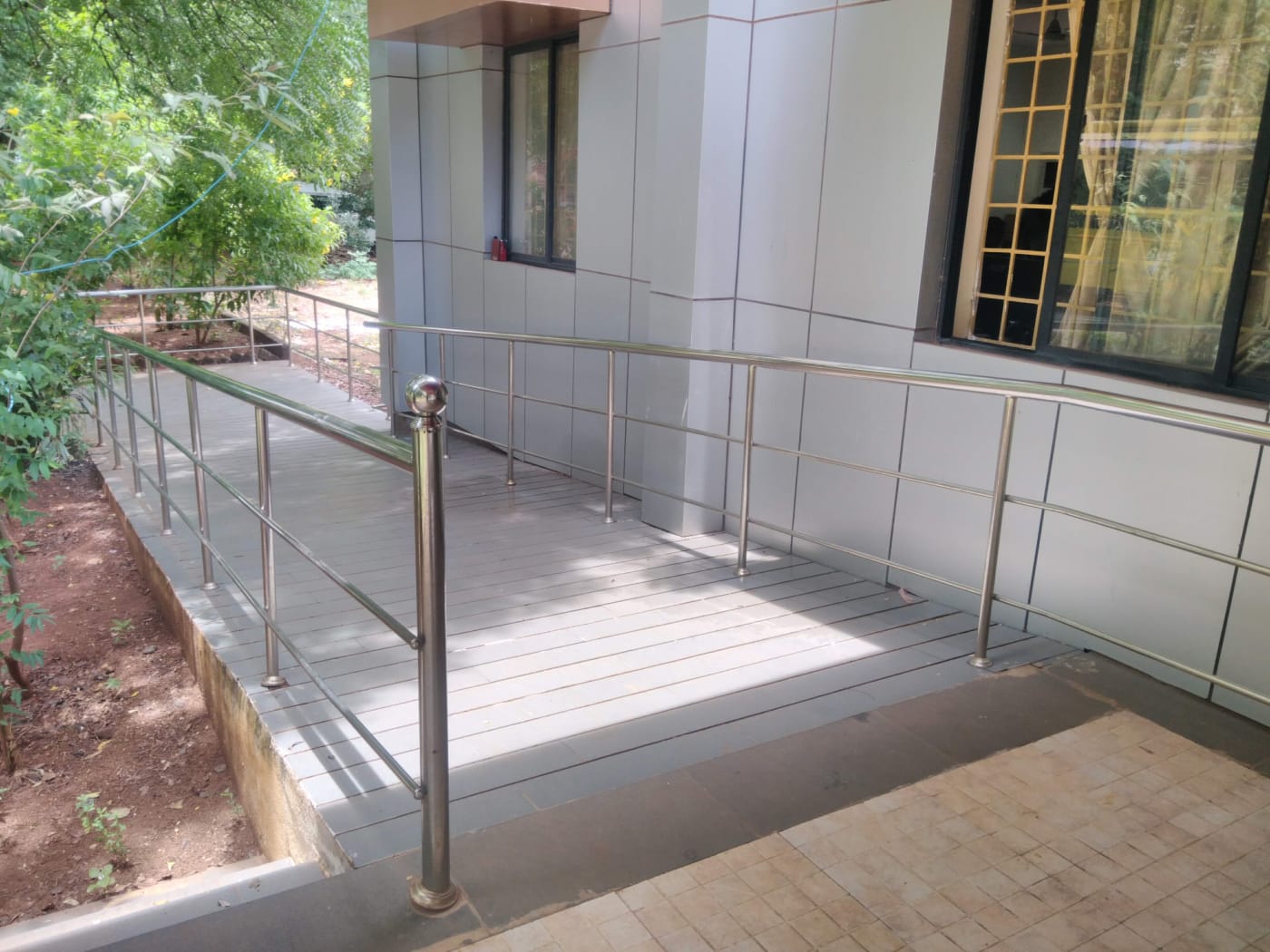
Why it matters A single, portable disability certificate and ID card spares persons with disabilities repeated assessments and paperwork when they apply for pensions, scholarships, aids or travel concessions. Ramps, lifts, accessible toilets and screen-reader-friendly websites decide whether a person can reach a station, an office or a service independently.
- RPwD Act, 2016 in force from 19 April 2017: 21 categories of specified disabilities; at least 4% reservation in government jobs (Section 34) and 5% in higher education (Section 32)
- Accessible India Campaign (launched 3 December 2015), as of December 2024: 709 railway stations fully accessible and 4,068 partially; 35 international and 55 domestic airports with accessibility features
- 95 Central Government websites and 676 State/UT government websites made accessible (PIB, December 2024)
- ADIP scheme: 2,51,410 beneficiaries in 2024-25 and 2,62,632 from 1 January to 31 December 2025 (DEPwD Annual Report 2025-26)
- Indian Sign Language Dictionary: third edition with 10,000 words launched on 17 February 2021; over 10,000 terms by December 2025
- Paris 2024 Paralympics: 29 medals (7 gold, 9 silver, 13 bronze), up from 4 at Rio 2016 and 19 at Tokyo 2020
History
Notable milestone
The first Unique Disability ID card was generated on 27 January 2017 in Datia, Madhya Pradesh. On 11 December 2023 the Minister of Social Justice and Empowerment presented the one-croreth UDID card, when about 1.5 lakh cards were being generated daily. The count reached 1,09,55,968 by 15 July 2024 and 1,34,73,833 by March 2026. The card is linked to schemes such as scholarships, skill training and the National Trust's Niramaya insurance.
How it works
Medical authorities notified by States and UTs assess disability and issue certificates and UDID cards through the UDID portal (swavlambancard.gov.in). Under the ADIP scheme, launched in 1981, implementing agencies such as National Institutes and ALIMCO provide certified aids and assistive devices, with corrective surgery where needed; 100 Pradhan Mantri Divyasha Kendras serve as walk-in centres. The Indian Sign Language Research and Training Centre, set up in 2015, develops the ISL dictionary and trains interpreters. Since 31 March 2024 the Accessible India Campaign has been subsumed into the Creation of Barrier Free Environment sub-scheme.
Outlook
The Department's Annual Report 2025-26 names changing public attitudes towards Divyangjan as its biggest challenge, and asks States and local bodies to build accessibility standards into design and planning. Railways report ramps at 5,639 stations and accessible toilets at 4,829, while 51,041 of 1,45,490 State Transport buses meet basic accessibility standards. In banking, only 4 of 12 public sector bank websites fully meet accessibility compliance. Extending the UDID database and accessible services to every district remains the next task.
By the numbers
21 categories of specified disabilities (RPwD Act, 2016). At least 4% reservation in government jobs; 5% in higher education. 1,34,73,833 UDID cards generated (PIB, 8 March 2026). 709 railway stations fully accessible and 4,068 partially (December 2024). 2,62,632 ADIP beneficiaries (calendar year 2025). 10,000 words in the third ISL Dictionary (17 February 2021). 29 Paralympic medals at Paris 2024. Sources: DEPwD Annual Report 2025-26; PIB releases 2236529, 2042569, 1985082, 2079945, 2101662 and backgrounders of 5 November 2021, 2 December 2025 and June 2025.
Data current to: as reported by PIB on 8 March 2026
Source: Department of Empowerment of Persons with Disabilities via PIB — cumulative Unique Disability ID (UDID) cards generated (crore), plotted only where an official count exists: 1 crore when the one-croreth card was presented on 11 December 2023; 1,09,55,968 as on 15 July 2024; and 1,34,73,833, the headline, as reported by PIB on 8 March 2026 (linked). No official count for 2025 was found, so that year is not plotted. · link