For decades, subsidies leaked through middlemen and fake beneficiaries. From 2013, and scaled sharply after 2014 with the JAM trinity (Jan Dhan + Aadhaar + Mobile), India began paying benefits straight into citizens' bank accounts.
Direct Benefit Transfer
Direct Benefit Transfer
Direct Benefit Transfer (DBT) uses the JAM trinity — Jan Dhan accounts, Aadhaar and mobile — to send subsidies and welfare straight into people's bank accounts, cutting out middlemen and 'ghost' beneficiaries. Since DBT began in 2013, cumulative transfers reached about ₹51 lakh crore by March 2026 across 320 central schemes, and the DBT Mission estimates that DBT and related governance reforms saved about ₹5.14 lakh crore up to March 2025. The counter shows cumulative DBT transferred.
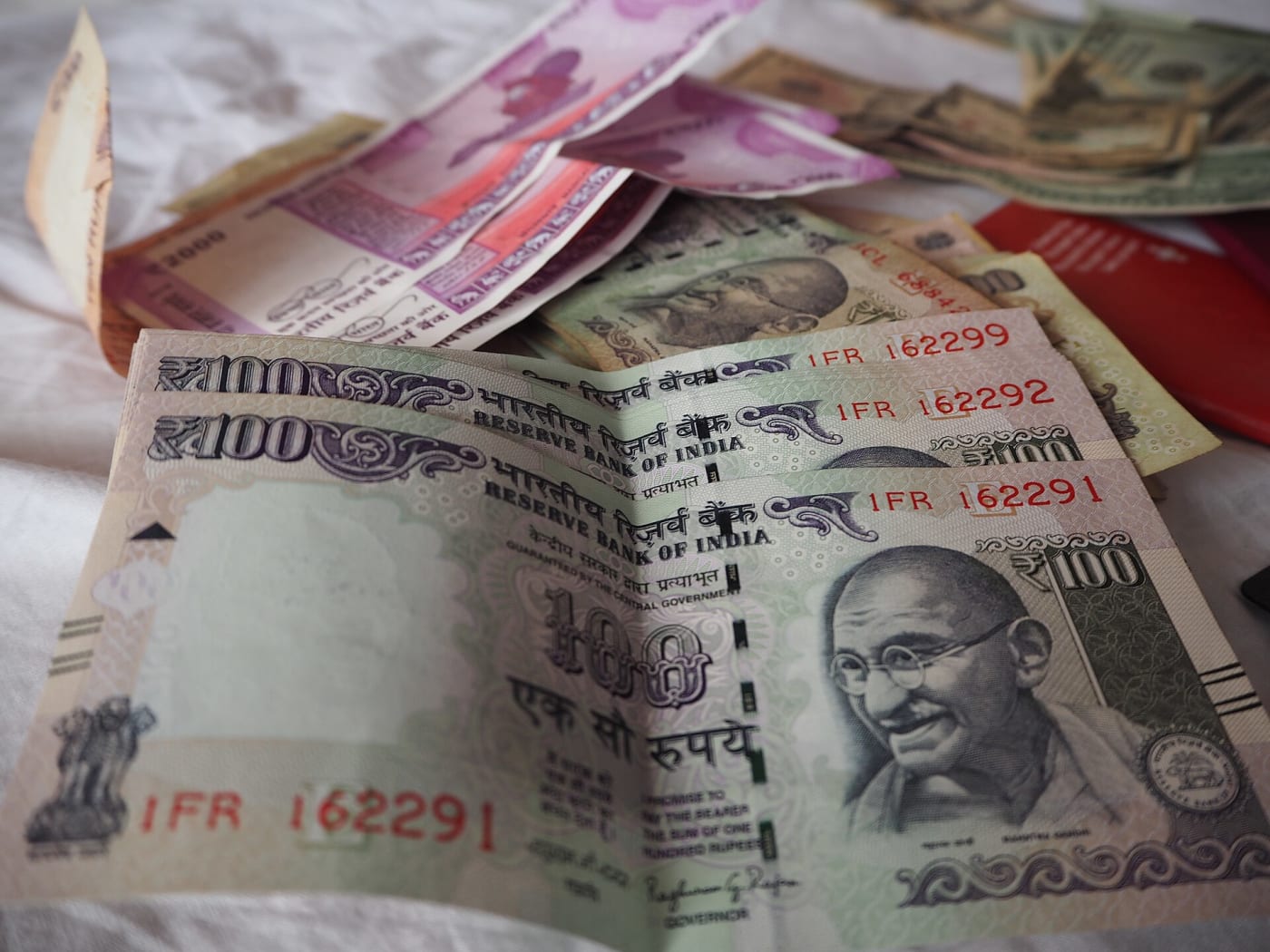
₹51.2 L cr
Cumulative DBT transferred (to March 2026)
320
Schemes on DBT
₹5.14 L cr
Estimated gains to March 2025 (DBT Mission)
Cumulative DBT transferred (to March 2026)
| Year | Cumulative DBT |
|---|---|
| 2014 | 0.07 ₹ lakh cr |
| 2015 | 0.46 ₹ lakh cr |
| 2016 | 1.08 ₹ lakh cr |
| 2017 | 1.83 ₹ lakh cr |
| 2018 | 3.74 ₹ lakh cr |
| 2019 | 7.04 ₹ lakh cr |
| 2020 | 10.85 ₹ lakh cr |
| 2021 | 16.38 ₹ lakh cr |
| 2022 | 22.68 ₹ lakh cr |
| 2023 | 29.84 ₹ lakh cr |
| 2024 | 36.76 ₹ lakh cr |
| 2025 | 43.65 ₹ lakh cr |
| 2026 | 51.17 ₹ lakh cr |
2014
0.00₹ lakh cr
Cumulative DBT
20142026
Since 2014
Added
+51.10 ₹ lakh cr
2014
0.07 ₹ lakh cr
2026
51.17 ₹ lakh cr
Why it matters Paying people directly means less corruption, faster relief and dignity — money reaches the intended person, not a chain of intermediaries.
- Cumulative DBT ₹0.07 → ₹51.2 lakh crore (2013-14 → 2025-26)
- 320 schemes; ~₹5.14 lakh crore estimated gains from DBT and related reforms (to March 2025)
- Source: DBT Mission (DBT Bharat portal)
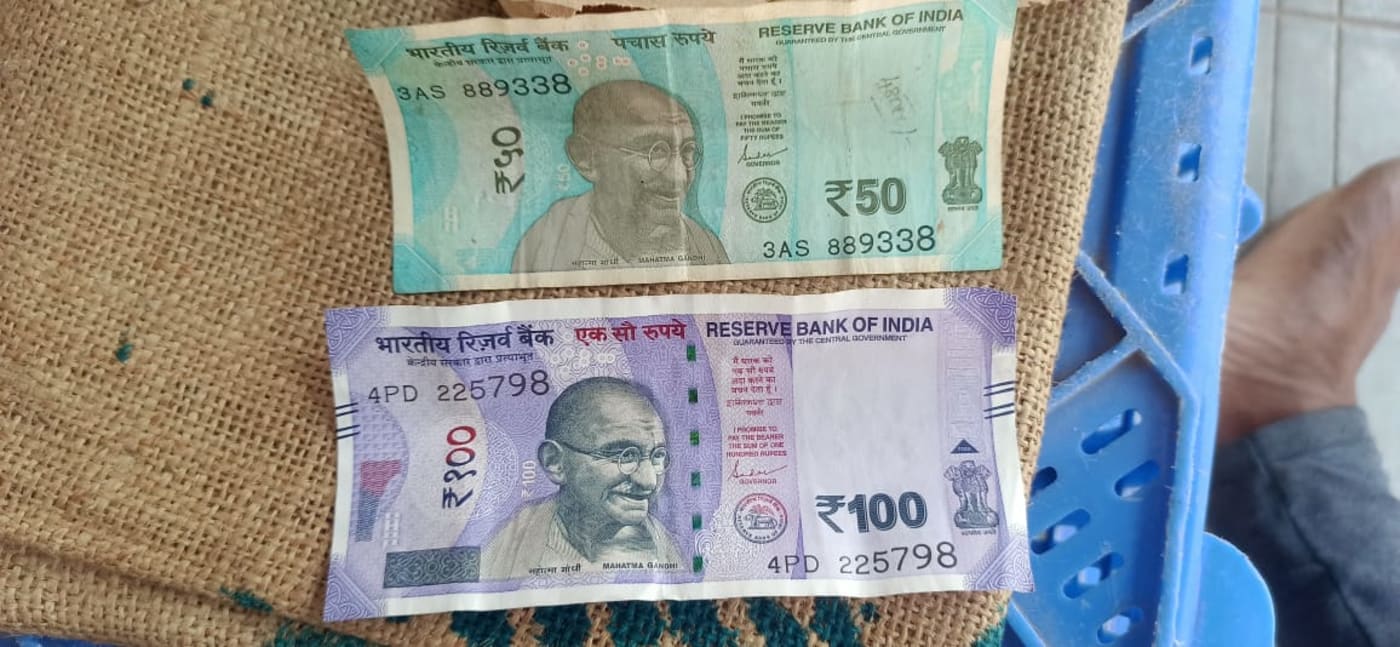
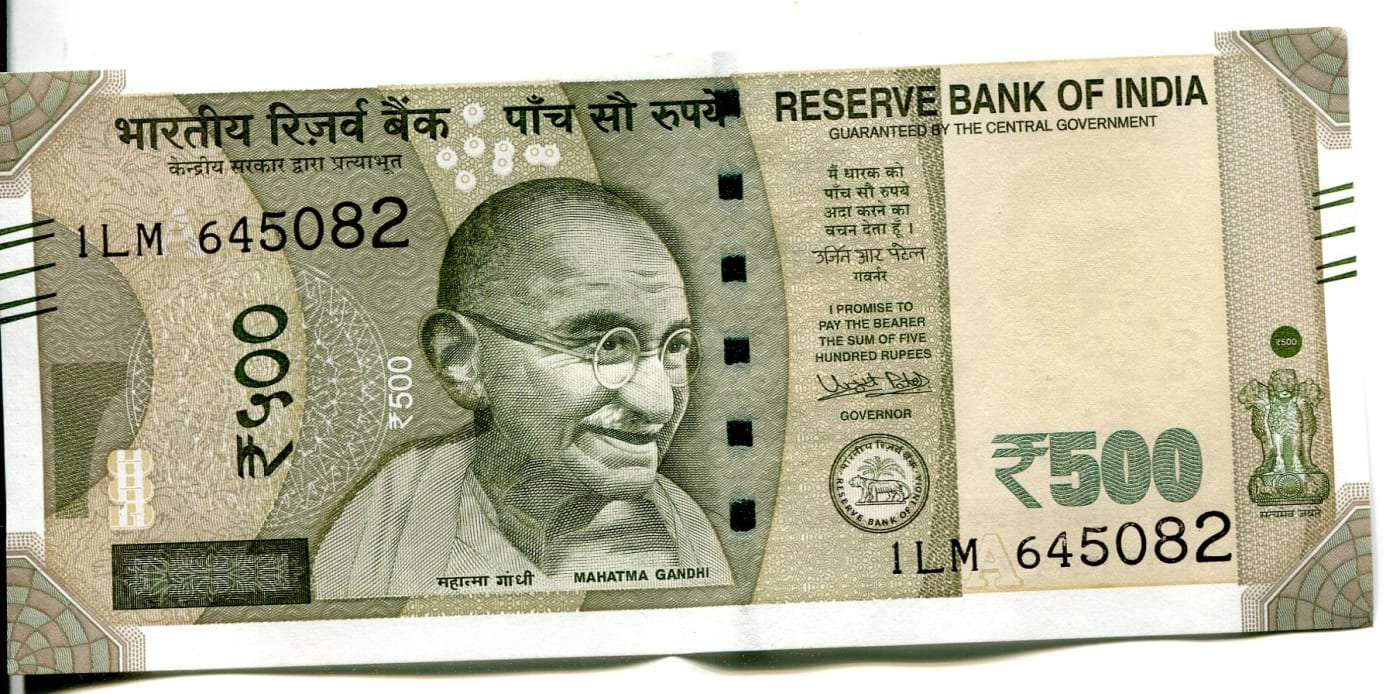
History
Plugging the leaks
DBT now covers 320 central schemes — from cooking-gas subsidy to pensions, scholarships, wages and farmer income (PM-KISAN). Cumulative transfers reached about ₹51 lakh crore by March 2026, and the DBT Mission estimates that DBT and related governance reforms saved about ₹5.14 lakh crore up to March 2025.
How it works
DBT runs on the JAM trinity — a Jan Dhan bank account, an Aadhaar number and a Mobile phone, linked together. When the government owes someone a subsidy, pension or wage, the money lands straight in their Aadhaar-linked account instead of passing through layers of officials. Because Aadhaar removes duplicate and 'ghost' beneficiaries, the leakage that plagued old cash and in-kind schemes falls sharply.
Outlook
The direction is to route more of India's welfare through a single, real-time rail. About ₹51 lakh crore had flowed through DBT by March 2026 across 320 central schemes; the next steps are folding in more state schemes, cutting exclusion errors so no genuine beneficiary is left out, and using the same rail for instant disaster and crop-failure payouts.
By the numbers
Cumulative DBT ₹0.07 → ₹51.2 lakh crore (2013-14 → 2025-26); 320 schemes; ~₹5.14 lakh crore estimated gains from DBT and related reforms to March 2025. Source: DBT Mission (DBT Bharat portal).
Data current to: FY 2025-26 (DBT Bharat portal, read 14 September 2026)
Source: DBT Mission, Cabinet Secretariat — cumulative central direct benefit transfers, cash and in kind (₹ lakh crore): running totals of the year-wise figures on the DBT Bharat portal (linked), FY 2013-14 to 2025-26. The portal showed ₹53.26 lakh crore cumulative across 320 schemes in September 2026. · link