Article 370 entered the Constitution in 1949 as a temporary provision for Jammu & Kashmir, and Article 35A was added by presidential order in 1954. Together they gave the state its own constitution and flag, and barred other Indians from buying property or holding certain jobs there. Central laws — including the Right to Education and many anti-corruption and welfare statutes — did not automatically apply. What was drafted as temporary lasted seven decades.
Article 370 & J&K Integration
Article 370 & J&K Integration
On 5 August 2019 the government moved to end the special constitutional status that had applied to Jammu & Kashmir since 1954. Article 370 was abrogated and the J&K Reorganisation Act created two Union Territories — Jammu & Kashmir, and Ladakh. Over 890 central laws, including the Right to Education, anti-corruption statutes and SC/ST protections, extended to the region for the first time. In December 2023 a Constitution Bench of the Supreme Court unanimously upheld the decision. This timeline traces the integration and what followed.
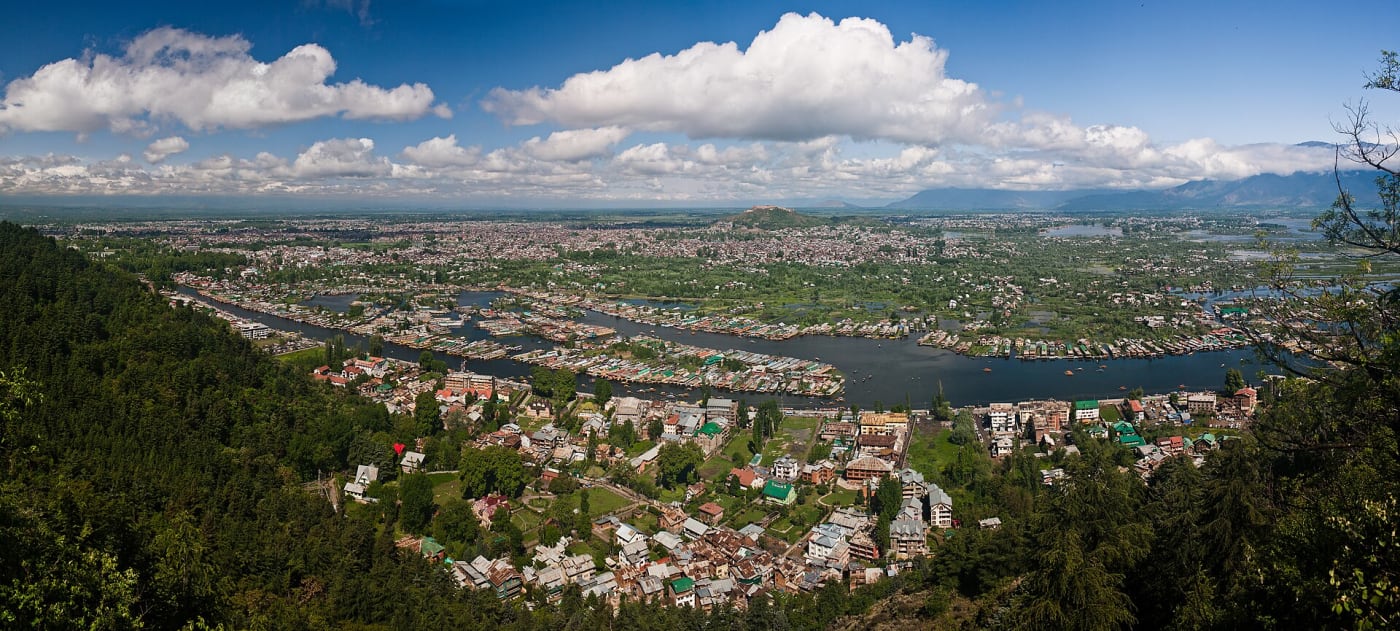
5 Aug 2019
Article 370 abrogated
890+
Central laws extended to J&K
Upheld
Supreme Court, Dec 2023
Article 370 abrogated
2019
Article 370 abrogated
On 5 August 2019 Parliament ended the special constitutional status of Jammu & Kashmir; the J&K Reorganisation Act created the Union Territories of Jammu & Kashmir and Ladakh, extending all central laws and protections to the region.
2020
Central laws extend to J&K
2022
Delimitation and record investment
2023
Supreme Court upholds the decision
2024
Peaceful record-turnout elections
2025
Connectivity reaches the Valley
2019
1milestones
20192025
Latest
Article 370 abrogated
On 5 August 2019 Parliament ended the special constitutional status of Jammu & Kashmir; the J&K Reorganisation Act created the Union Territories of Jammu & Kashmir and Ladakh, extending all central laws and protections to the region.
Why it matters One nation, one constitution had been a founding aspiration since 1950. Integration extended to J&K citizens the same rights every other Indian holds — education, reservation, anti-corruption law, and central welfare schemes — and opened the region to investment, tourism and national rail and road connectivity that separate status had held back for seven decades.
- Article 370 abrogated and J&K reorganised into two Union Territories on 5 August 2019.
- Over 890 central laws extended to J&K, including the Right to Education and SC/ST protections.
- Supreme Court Constitution Bench unanimously upheld the abrogation in December 2023.
- 2024 saw the highest election turnout in decades and the first assembly polls since reorganisation.
- The Chenab Bridge — the world's highest railway arch — put Kashmir on the national rail network in 2025.
History
Notable milestone
On 5 August 2019 the government moved a resolution and the Jammu & Kashmir Reorganisation Act. Article 370 was rendered inoperative, Article 35A fell with it, and the state was reorganised into two Union Territories — Jammu & Kashmir (with a legislature) and Ladakh. Ladakh's long-standing demand for separation from Srinagar's administration was granted in the same stroke.
How it works
With the special status gone, over 890 central laws now apply in J&K. That includes the Right to Education, the Right to Information, the Prevention of Corruption Act, reservation for SC/ST and other weaker sections, and central welfare schemes such as Ayushman Bharat and PM-KISAN. Land and industrial policy opened to investment from the rest of India for the first time, and the Delimitation Commission redrew constituencies to give Jammu and previously unrepresented communities fairer weight.
Outlook
In December 2023 a five-judge Constitution Bench of the Supreme Court unanimously upheld the abrogation, holding that J&K retained no element of internal sovereignty separate from the Union. In 2024 the Union Territory voted in Lok Sabha and Assembly elections with the highest turnout in decades and no poll-related violence — the first assembly polls since reorganisation. In 2025 the Udhampur-Srinagar-Baramulla rail link was completed, including the Chenab Bridge, the world's highest railway arch.
By the numbers
5 August 2019 — Article 370 abrogated. 890+ central laws extended to J&K. 2 Union Territories created. December 2023 — Supreme Court upholds unanimously. 2024 — highest election turnout in decades. Chenab Bridge — world's highest railway arch, opened 2025. Sources: MHA, PIB, Supreme Court of India.
Data current to: 5 August 2019
Source: MHA / PIB / Supreme Court of India — J&K Reorganisation Act 2019 and subsequent development milestones. · link