One Rank One Pension — equal pension for equal rank and equal length of service, regardless of when a soldier retired — had been demanded since the 1970s. Without it, a jawan who retired in 1990 drew substantially less than one of identical rank and service who retired in 2010. Successive governments accepted the principle without implementing it.
Armed Forces Welfare
Armed Forces Welfare
One Rank One Pension — a demand pending for four decades — was approved in 2015 and implemented from July 2014, giving veterans of the same rank and length of service the same pension regardless of retirement date. It has benefited over 25 lakh veterans and their families, with revisions from July 2019 and July 2024. Alongside it came the National War Memorial (2019), the post of Chief of Defence Staff (created December 2019) and the Agnipath recruitment scheme.
₹10,795 cr
OROP arrears paid under the first order
25 lakh
Veterans & family pensioners
2019
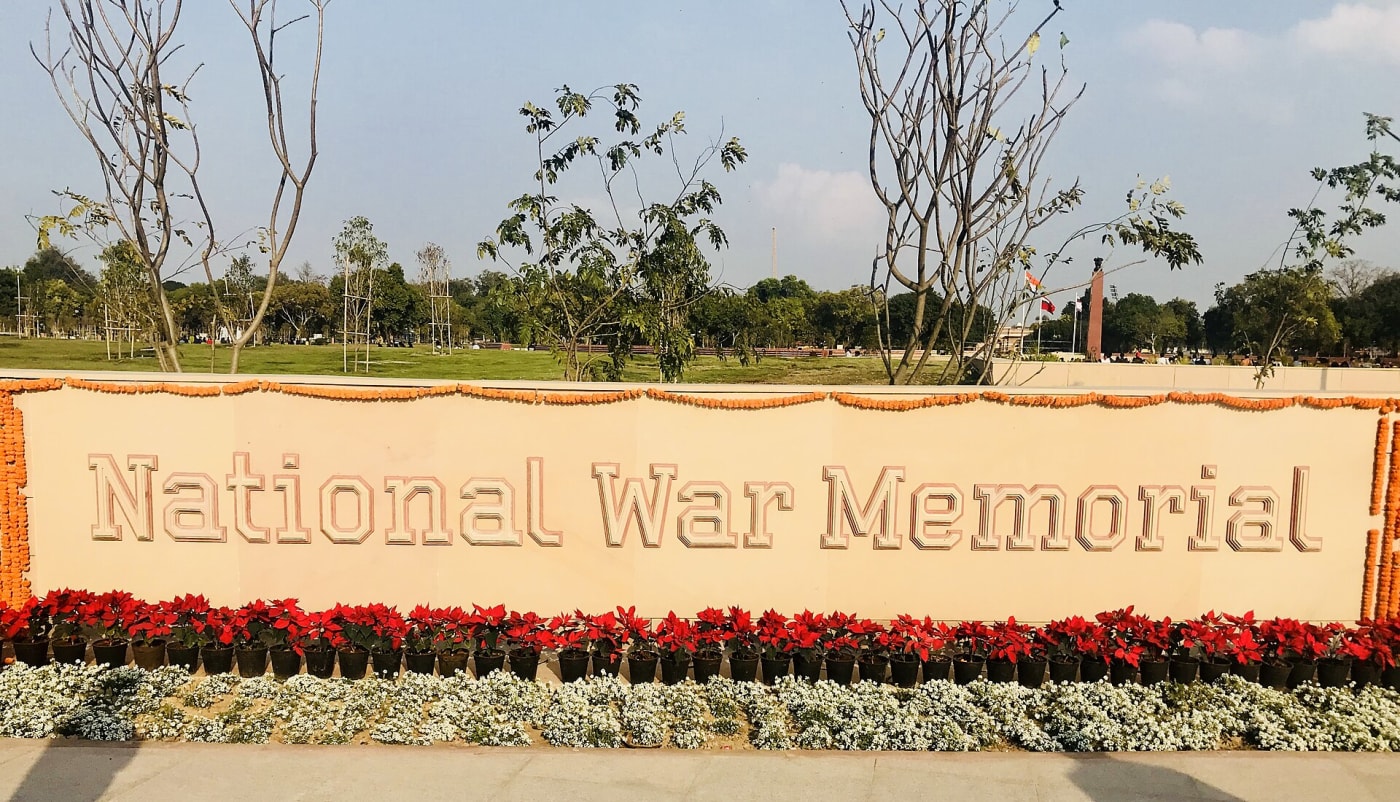
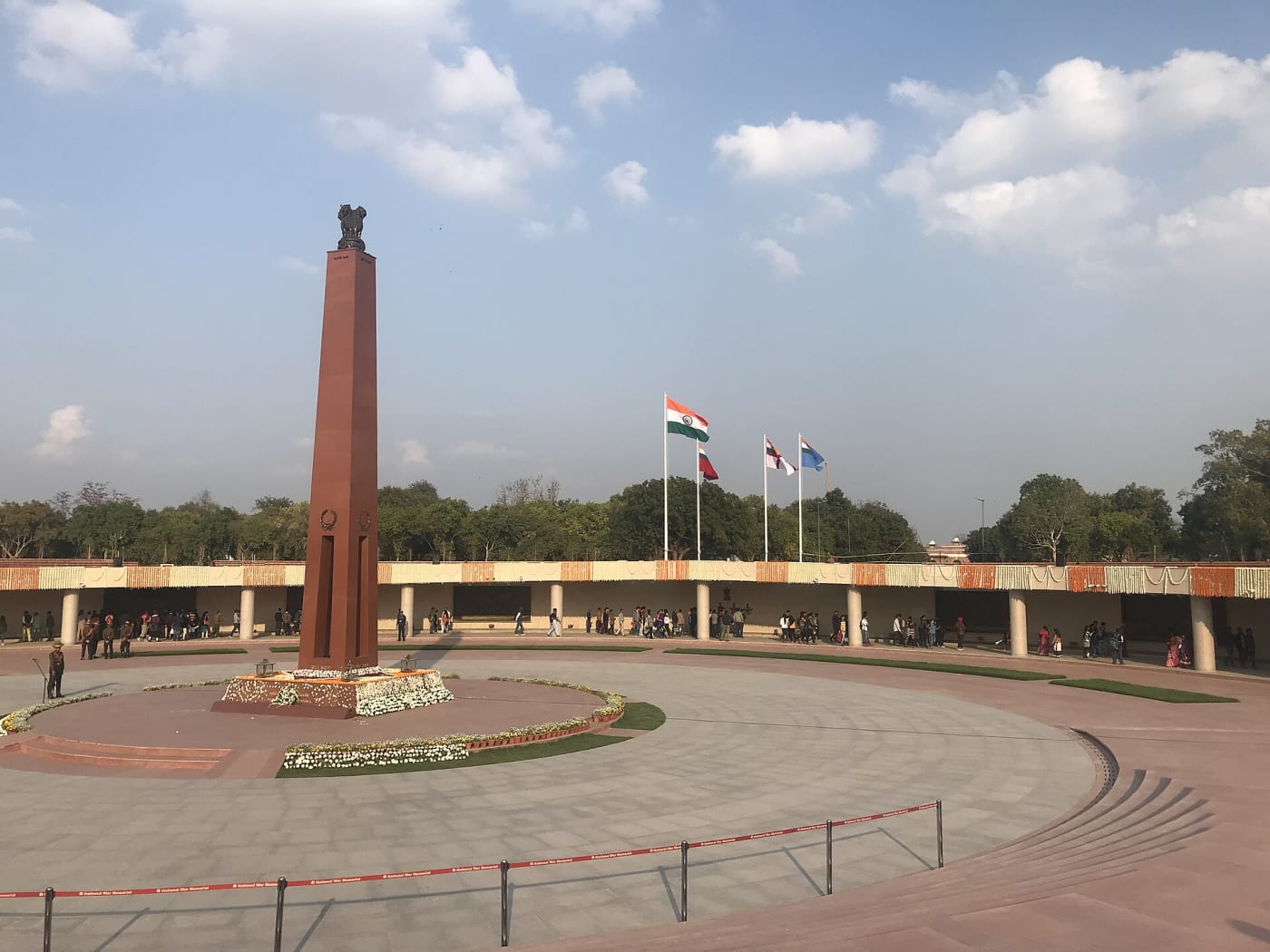
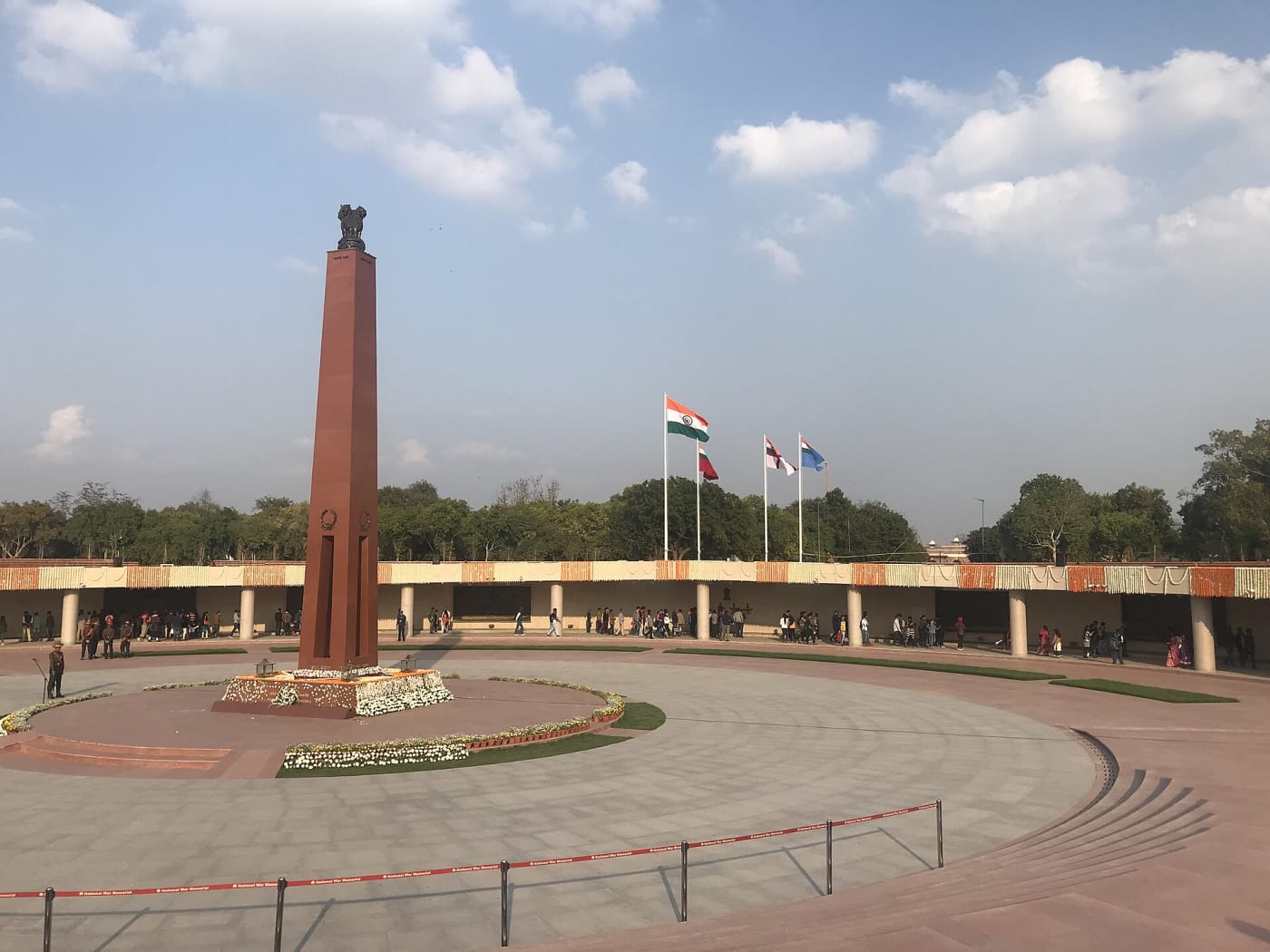
National War Memorial opened
Key milestones since 2014
2015
OROP order issued
2020
₹10,795 crore OROP arrears paid
2021
SPARSH digital pension system
2022
Second OROP revision approved
2024
Third OROP revision takes effect
2025
ECHS extended to officer cadets
2025
SPARSH reaches 31.69 lakh pensioners
2026
ECHS allotted ₹12,100 crore
2014
0milestones
20142026
Why it matters A soldier who retired in 1990 was drawing far less than one of identical rank who retired in 2010. OROP ended that. The National War Memorial gave India, for the first time since independence, a national monument naming every soldier killed in action since 1947 — a debt that had gone unpaid for seven decades.
- OROP has benefited over 25 lakh veterans and their families; arrears under the first order came to ₹10,795 crore.
- Under the third OROP revision (July 2024), ₹1,224.76 crore was paid to 20.17 lakh beneficiaries within 15 days (Ministry of Defence, December 2025).
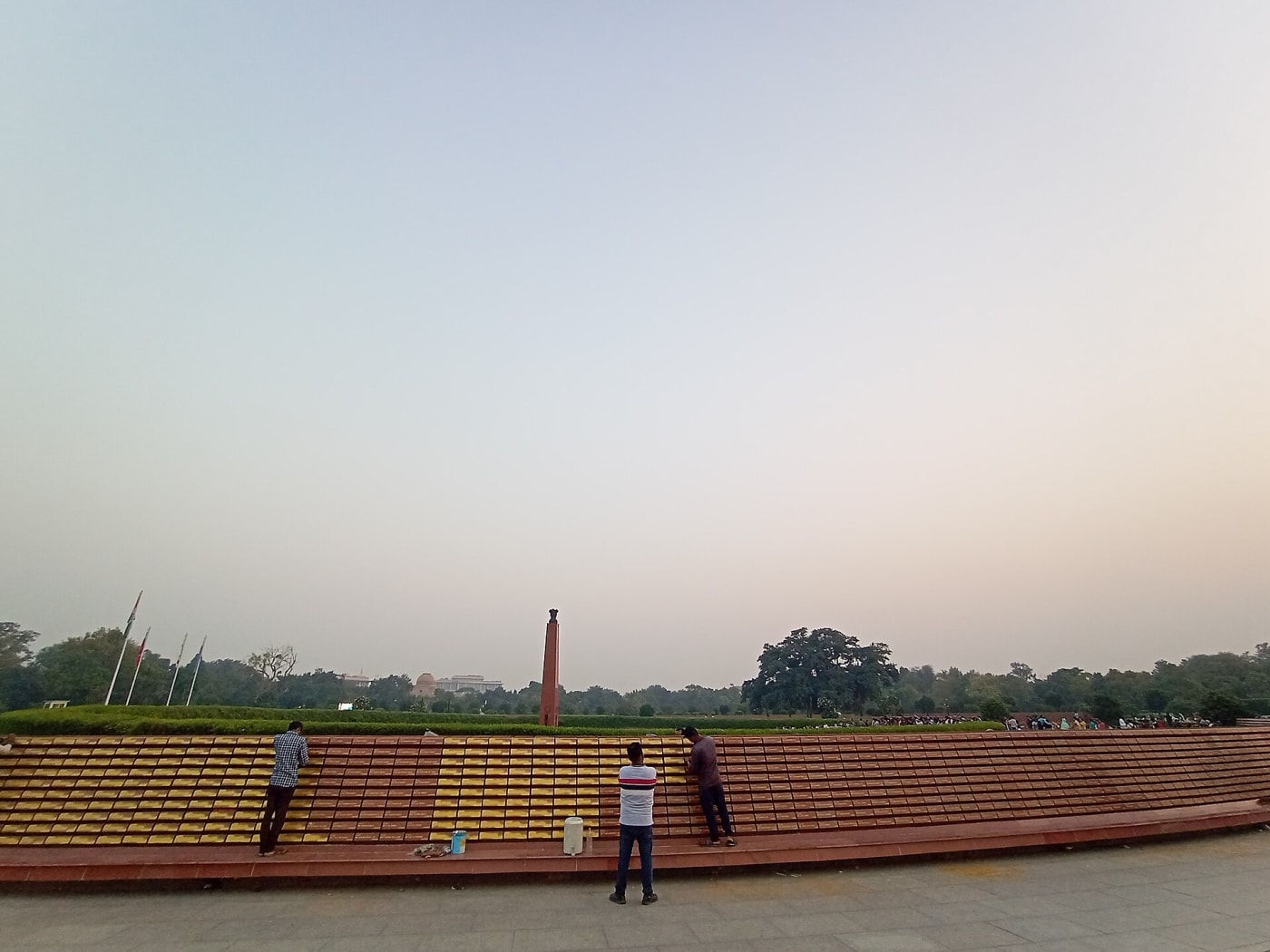
- National War Memorial dedicated on 25 February 2019, naming soldiers who fell in action since 1947.
- Post of Chief of Defence Staff created on 24 December 2019; the third CDS took charge on 31 May 2026.
- Defence budget rose from about ₹2.3 lakh crore (2014-15) to over ₹6.8 lakh crore (2025-26).
History
Notable milestone
OROP was approved in November 2015 and implemented with effect from 1 July 2014. It has benefited over 25 lakh veterans and their families, and pensions were revised with effect from 1 July 2019 and again from July 2024; under that third revision, ₹1,224.76 crore was paid to 20.17 lakh beneficiaries within 15 days. A four-decade demand was closed.
How it works
Under OROP, pension is fixed on the average of minimum and maximum pension of personnel retiring in a base year at the same rank and length of service, and is revised periodically so the gap does not reopen. Arrears were paid in instalments, with the full amount paid at once to family pensioners and gallantry-award winners.
Outlook
Other long-pending items followed. The National War Memorial opened at India Gate in 2019, naming soldiers killed in action since 1947 — the first national monument of its kind since independence. The post of Chief of Defence Staff was created on 24 December 2019. The defence budget rose from about ₹2.3 lakh crore in 2014-15 to over ₹6.8 lakh crore in 2025-26.
By the numbers
25 lakh+ veterans and families benefiting from OROP, effective from 1 July 2014. ₹10,795 crore of arrears under the first order; ₹1,224.76 crore paid to 20.17 lakh beneficiaries under OROP-III (July 2024 revision). National War Memorial dedicated 25 February 2019. Chief of Defence Staff post created 24 December 2019. Defence budget ₹2.3 → ₹6.8 lakh crore. Sources: Ministry of Defence, DESW, PIB.
Data current to: 7 November 2024
Source: Ministry of Defence (via PIB) — One Rank One Pension, ordered on 7 November 2015 with effect from 1 July 2014, has benefited over 25 lakh veterans and their families (November 2024, linked); pensions were revised again from July 2019 and July 2024. Arrears under the first order came to ₹10,795.4 crore; under the third revision (OROP-III, July 2024), ₹1,224.76 crore was paid to 20.17 lakh beneficiaries within 15 days (Year End Review, 31 December 2025). No official year-by-year total of OROP payments is published, so no chart is shown. · link