Agriculture supports nearly half of India's workforce, so lifting farm output and incomes has been a steady priority. Total foodgrain production rose from about 265 million tonnes in 2014 to 357.73 million tonnes in 2024-25, with rice (~150 MT) and wheat (~118 MT) both at record levels, and is estimated at 376.56 million tonnes in 2025-26 (third advance estimates). Horticulture output (351.92 MT) exceeded foodgrains (329.69 MT) in 2022-23, and the agriculture budget grew several-fold over the decade.
Agriculture & Farmers
Agriculture & Farmers
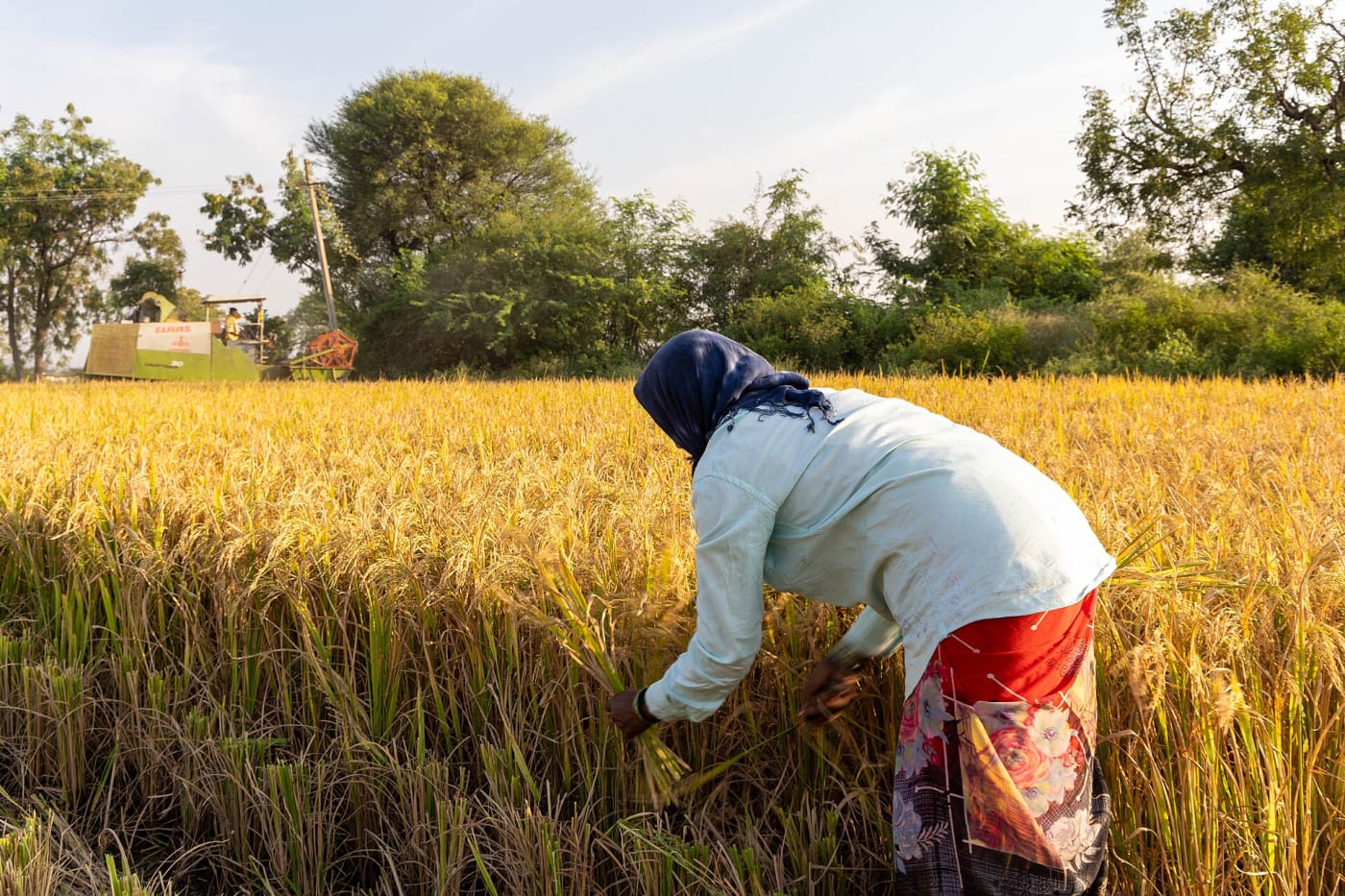
Agriculture is India's largest source of livelihood, supporting nearly half the workforce. Over the past decade, total foodgrain production climbed to record highs — from about 265 million tonnes in 2014 to 357.73 million tonnes in 2024-25 and an estimated 376.56 million tonnes in 2025-26 (third advance estimates), with rice put at a record 154.02 million tonnes in 2025-26. Income-support schemes like PM-KISAN and crop insurance were layered on top. The counter shows total foodgrain production.
265 → 376.56 MT
Foodgrain production (2013-14 → 2025-26, third advance estimates)
~11 crore
PM-KISAN farmers
~$53 bn
Agri exports
Foodgrain production (2013-14 → 2025-26, third advance estimates)
| Year | Foodgrain production |
|---|---|
| 2014 | 265 MT |
| 2015 | 252 MT |
| 2016 | 252 MT |
| 2017 | 275 MT |
| 2018 | 285 MT |
| 2019 | 285 MT |
| 2020 | 298 MT |
| 2021 | 311 MT |
| 2022 | 316 MT |
| 2023 | 330 MT |
| 2024 | 332 MT |
| 2025 | 358 MT |
| 2026 | 377 MT |
2014
0MT
Foodgrain production
20142026
Since 2014
Added
+112 MT
2014
265 MT
2026
377 MT
Why it matters Farm output shapes food security, rural incomes and inflation, and nearly half of all Indians depend on agriculture for a living — which is why record production and record income support matter together.
- Foodgrain production: ~265 MT (2013-14) → 357.73 MT (2024-25, final) → 376.56 MT (2025-26, third advance estimates)
- PM-KISAN: ~₹6,000/year to ~11 crore farmers
- Source: Ministry of Agriculture
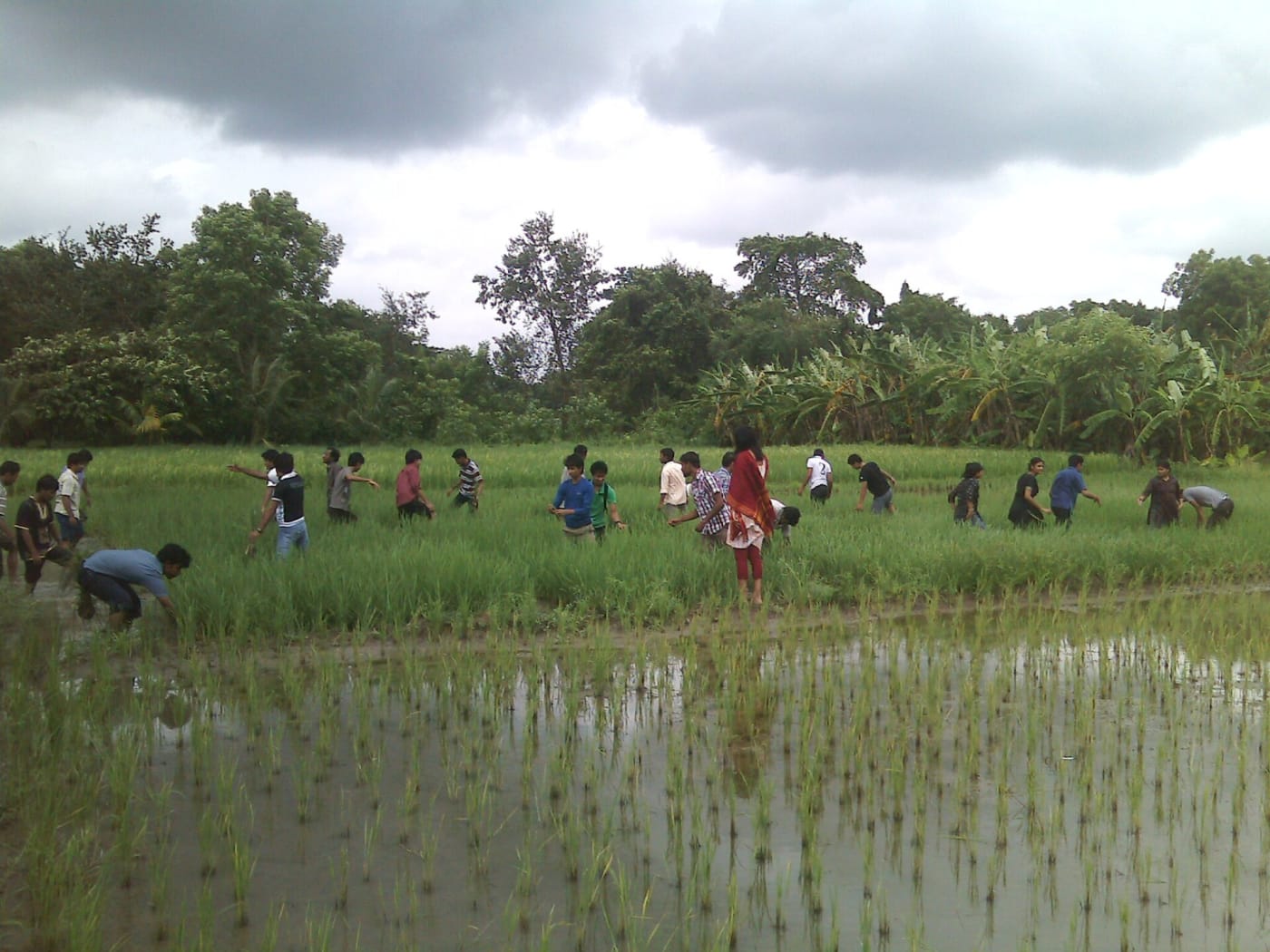
History
Notable programmes
PM-KISAN puts ₹6,000 a year directly into the accounts of about 11 crore farmers. PM Fasal Bima Yojana offers subsidised crop insurance, the soil health card and e-NAM online market aim to raise productivity and prices, and India's agricultural exports reached roughly $53 billion. Minimum Support Price procurement was expanded across more crops.
How it works
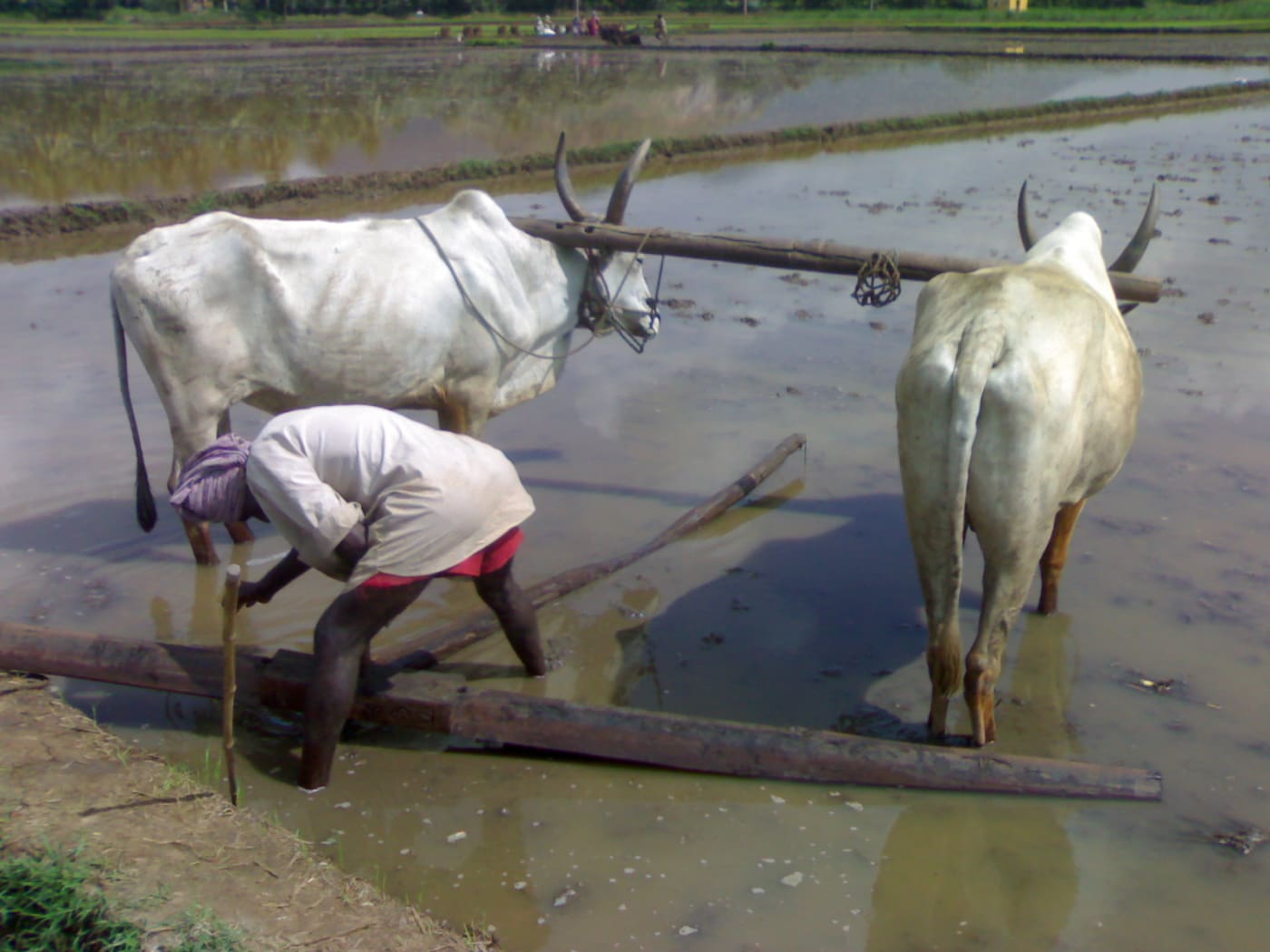
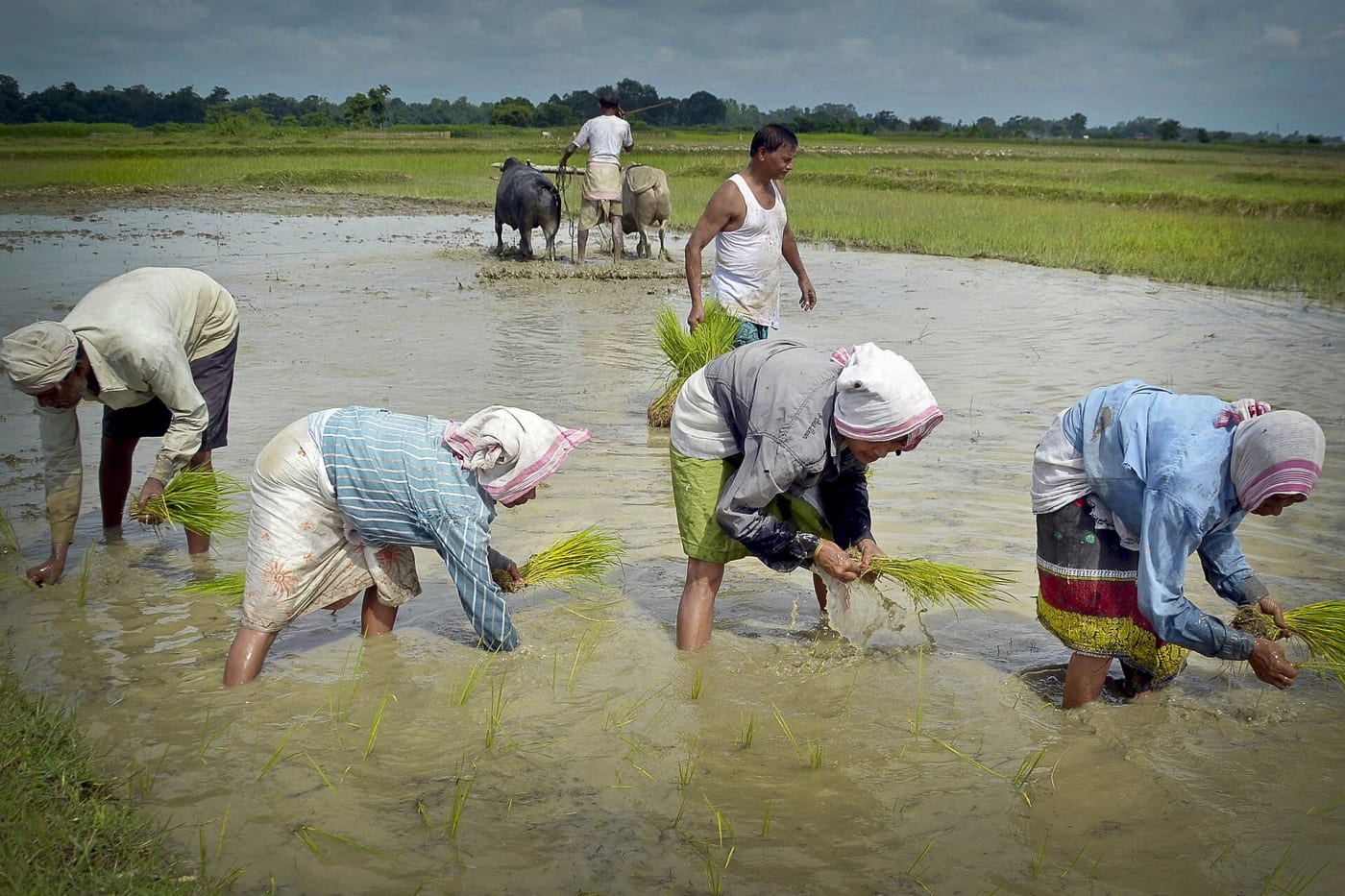
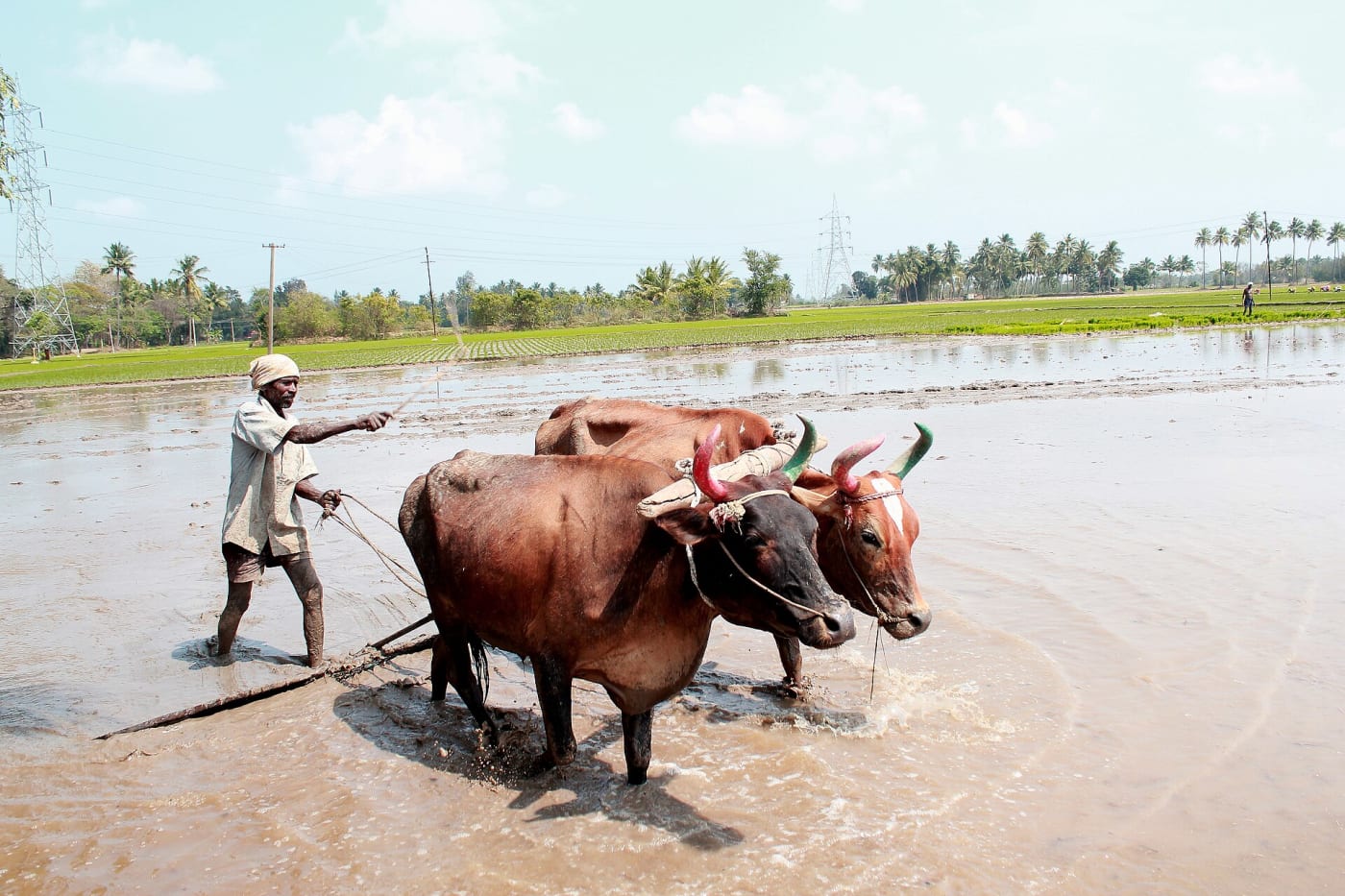
Indian farming is dominated by small and marginal farmers — most hold under two hectares — growing crops across three seasons (Kharif, Rabi, Zaid). The state supports them through a web of tools: guaranteed Minimum Support Prices and procurement for key crops, direct income transfers via PM-KISAN, cheap credit through the Kisan Credit Card, and crop insurance. Farmer Producer Organisations pool smallholders so they can buy inputs and sell produce with more bargaining power.
Outlook
Foodgrain production was 357.73 million tonnes in 2024-25 and is estimated at 376.563 million tonnes in 2025-26 by the third advance estimates, which the Ministry describes as the highest ever. The focus has widened to incomes as well as output: helping small farmers earn more through better prices, higher-value crops and food processing, while making farming climate-resilient. New schemes like the ₹24,000-crore PM Dhan-Dhaanya Krishi Yojana target the 100 lowest-productivity districts to lift the farmers left behind.
By the numbers
~265 → 376.56 MT foodgrain (2013-14 → 2025-26, third advance estimates; 357.73 MT final in 2024-25). ~11 crore PM-KISAN beneficiaries. ~$53 bn agri exports. 370.7 MT horticulture (2024-25 final). Sources: Ministry of Agriculture, DA&FW.
Data current to: agricultural year 2025-26 (third advance estimates, 27 May 2026)
Source: Ministry of Agriculture via PIB — total foodgrain production (million tonnes), 2013-14 to 2025-26, each year labelled by the year it ends. PIB, May 2026: 376.563 MT in 2025-26 by the third advance estimates, up from 357.732 MT in 2024-25 (linked); final estimates for 2025-26 will revise the last point. 2024-25 from the final estimates of 20 November 2025. Year-wise figures for 2013-14 to 2020-21 from PIB's March 2022 note on foodgrain production; 2021-22 and 2022-23 from the final estimates of 18 October 2023. · link