India became a party to the Ramsar Convention in 1982, but for decades only a small number of its wetlands carried the Convention's listing. In 2014 India had 26 Ramsar Sites. From 2019 the pace changed: ten wetlands were listed together in January 2020, and new sites have been added in most years since.
Wetlands · Ramsar Sites
Wetlands · Ramsar Sites
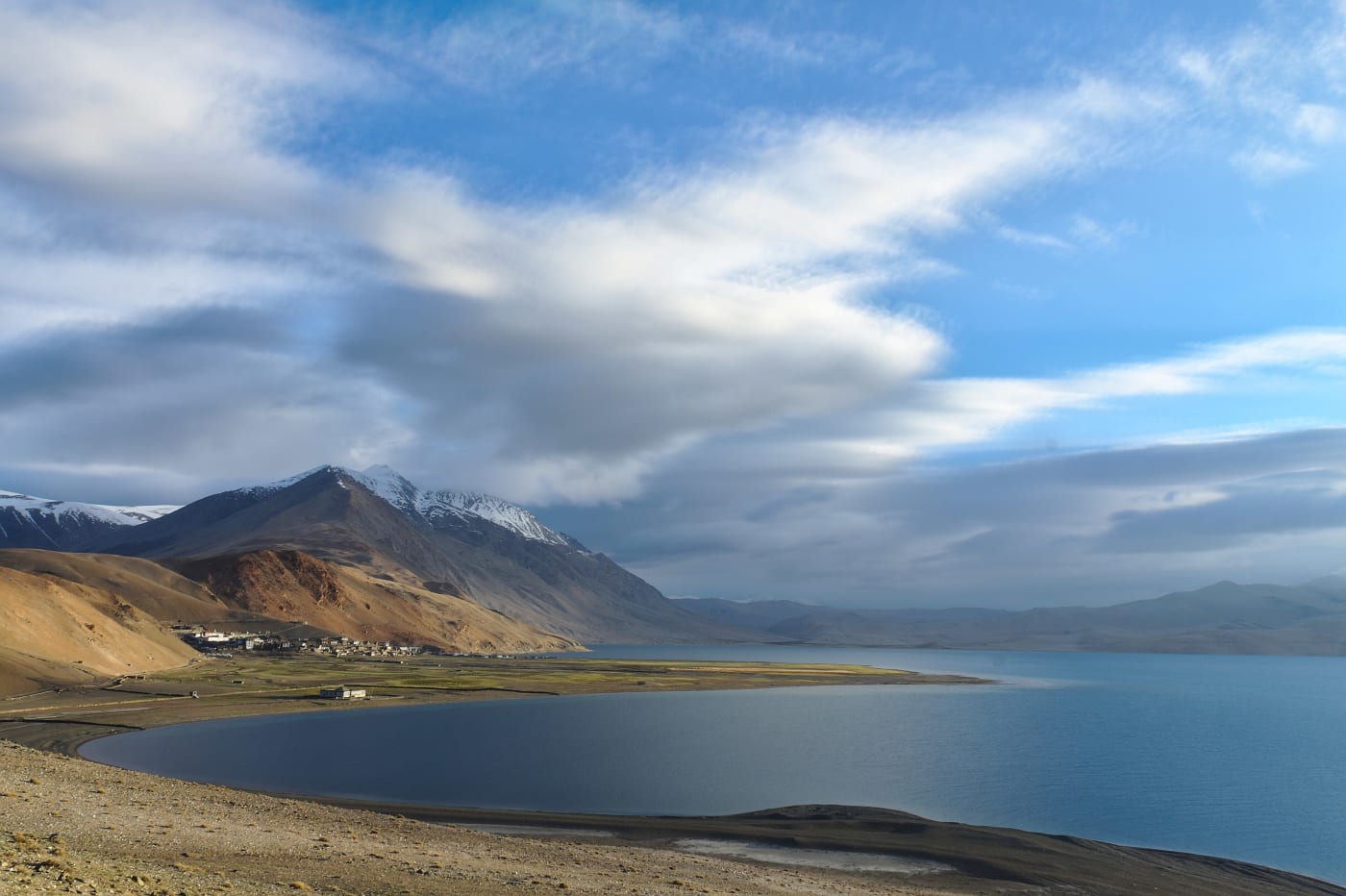
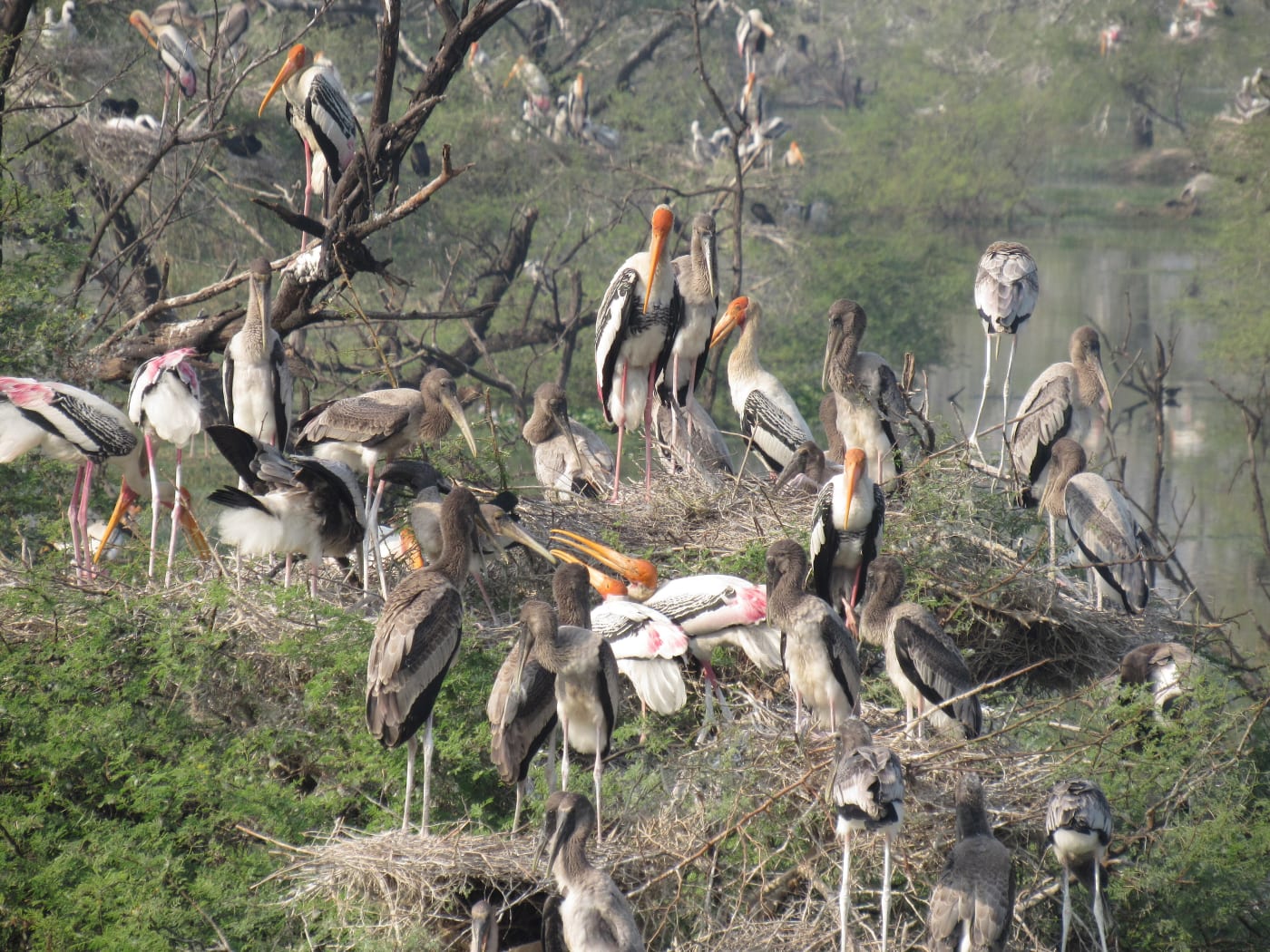
Wetlands filter water, hold back floods, shelter migratory birds and sustain fishing and farming families. India has made protecting them a national effort: its Ramsar Sites, wetlands of international importance, rose from 26 in 2014 to 101 by August 2026, now the largest Ramsar network in Asia and the third largest in the world. In 2026 Surha Tal in Uttar Pradesh became the 100th site, and Arunachal Pradesh gained its first. The counter shows Ramsar Sites at each year's end.
#1 in Asia
Ramsar network (3rd in the world)
~13.6 lakh ha
Area covered (end-2025)
2
Wetland Cities: Indore & Udaipur
Ramsar sites in India
| Year | Ramsar sites |
|---|---|
| 2014 | 26 sites |
| 2020 | 42 sites |
| 2022 | 75 sites |
| 2023 | 75 sites |
| 2024 | 85 sites |
| 2025 | 96 sites |
| 2026 | 101 sites |
| Dashed bars are years the source does not publish; the shape between published years is drawn, not measured. | |
2014
0sites
Ramsar sites
20142026
Since 2014
Added
+75 sites
2014
26 sites
2026
101 sites
Dashed bars are years the source does not publish; the shape between published years is drawn, not measured.
Why it matters Healthy wetlands recharge groundwater, soften floods and droughts, store carbon and support millions of livelihoods. A Ramsar listing commits a site to wise use and brings conservation planning, funding and eco-tourism with it.
- Ramsar Sites: 26 (2014) → 101 (August 2026).
- India has the largest Ramsar network in Asia and the third largest in the world.
- India's Ramsar Sites covered about 1.36 million hectares at the end of 2025.
- Surha Tal in Ballia, Uttar Pradesh, became India's 100th Ramsar Site in June 2026.
- Indore and Udaipur were accredited as India's first Wetland Cities in January 2025.
- The Save Wetlands Campaign and Mission Sahbhagita mobilised more than 2 million citizens and ground-truthed over 1.7 lakh wetlands.
History
Notable milestone
In August 2022, the 75th year of Independence, India reached 75 Ramsar Sites, adding 11 wetlands in a single day. The count kept climbing: the 100th site, Surha Tal in Ballia, Uttar Pradesh, was listed in June 2026, and the 101st, Glaw Lake, became Arunachal Pradesh's first in August 2026.
How it works
A state identifies a wetland of ecological importance, the Ministry of Environment nominates it, and the Ramsar Convention lists it as a wetland of international importance, committing it to wise use. Under Amrit Dharohar, announced in the 2023 Budget, listed sites are developed around four themes: species and habitat conservation, nature tourism, wetland livelihoods and wetland carbon. Citizens take part through Mission Sahbhagita and the Save Wetlands Campaign, which ground-truth wetlands and issue wetland health cards.
Outlook
India now shapes the Convention as well as joining it: at Ramsar COP15 in July 2025, a resolution India proposed was formally adopted. With Indore and Udaipur accredited as Wetland Cities and new sites listed every year, the next step is keeping each listed wetland healthy through local management plans and community stewardship.
By the numbers
26 → 101 Ramsar Sites (2014 → August 2026). Largest Ramsar network in Asia, 3rd in the world. ~1.36 million ha covered (end-2025). 100th site: Surha Tal, Uttar Pradesh (June 2026). 2 Wetland Cities: Indore and Udaipur (2025). 2 million+ citizens mobilised to protect wetlands. Sources: Ministry of Environment, Forest and Climate Change, PIB.
Data current to: August 2026
Source: Ministry of Environment, Forest and Climate Change via PIB — Ramsar Sites (wetlands of international importance) in India, 2014 to August 2026; count at each year's end. · link