In 2014 India had chronic power shortages and about 81 GW of non-fossil capacity. A decade later, energy shortages have all but vanished (0.1% in 2024-25) and non-fossil capacity has more than tripled to 304.33 GW (31 August 2026). By mid-2025 India reached 50% of its installed capacity from non-fossil sources — five years ahead of its 2030 Paris Agreement target.
Power & Renewables
Power & Renewables
India's installed non-fossil power capacity — renewables plus nuclear — more than tripled in just over a decade, from about 81 GW in 2014 to 304.33 GW as on 31 August 2026. Solar led the surge, growing more than fifty-fold. By mid-2025 non-fossil sources made up about half of India's total installed capacity — five years ahead of the 2030 target. The counter shows non-fossil capacity in gigawatts.
81 → 304.33 GW
Non-fossil capacity (31 Aug 2026)
2.82 → 168.04 GW
Solar capacity (31 Aug 2026)
~50%
Non-fossil share (2025)
Non-fossil capacity
| Year | Non-fossil capacity |
|---|---|
| 2014 | 81 GW |
| 2015 | 96 GW |
| 2016 | 106 GW |
| 2017 | 120 GW |
| 2018 | 135 GW |
| 2019 | 150 GW |
| 2020 | 165 GW |
| 2021 | 180 GW |
| 2022 | 195 GW |
| 2023 | 210 GW |
| 2024 | 232 GW |
| 2025 | 250 GW |
| 2026 | 304 GW |
| by 2030 | 500 GW — Govt target |
2014
0GW
Non-fossil capacity
20142026
Since 2014
Added
+223 GW
2014
81 GW
2026
304 GW
Govt target
500 GW
by 2030
Panchamrit / NDC goal
Why it matters Power capacity underpins every other sector, and shifting it to clean sources is central to India's energy security, import bill, and climate commitments.
- Non-fossil capacity: ~81 GW (2014) → 304.33 GW (31 August 2026)
- Solar: 2.82 GW (2014) → 168.04 GW (31 August 2026)
- Source: Ministry of Power / MNRE
History
Notable projects
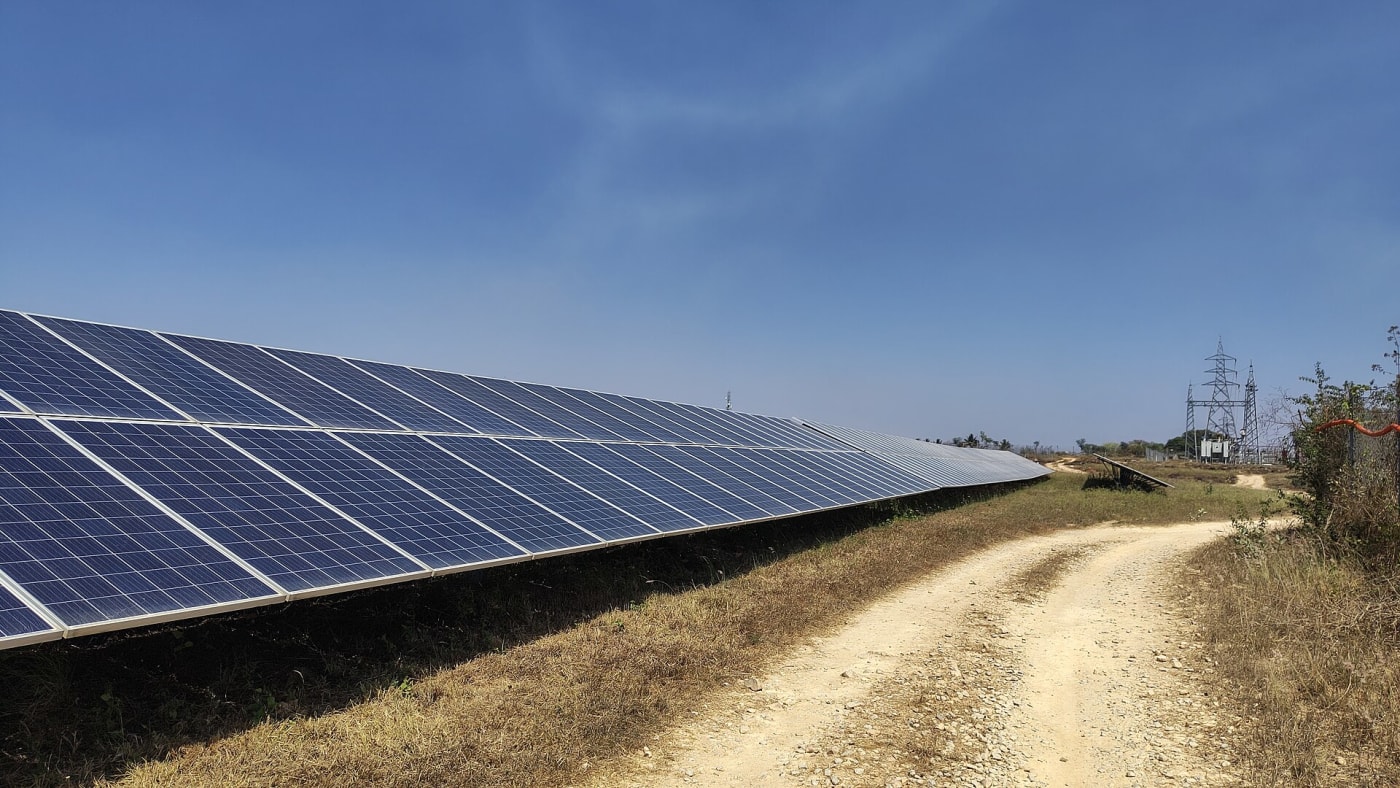
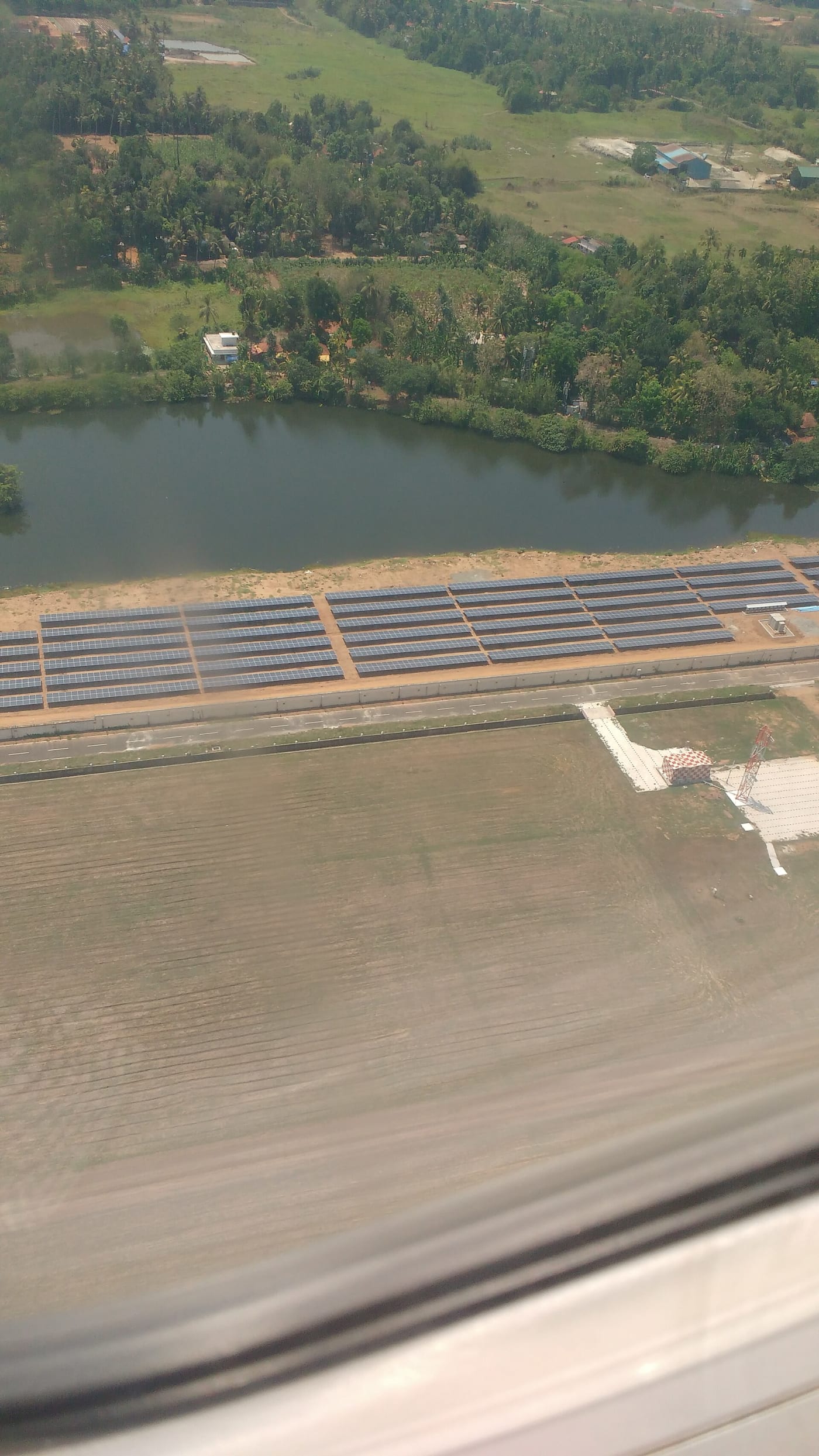
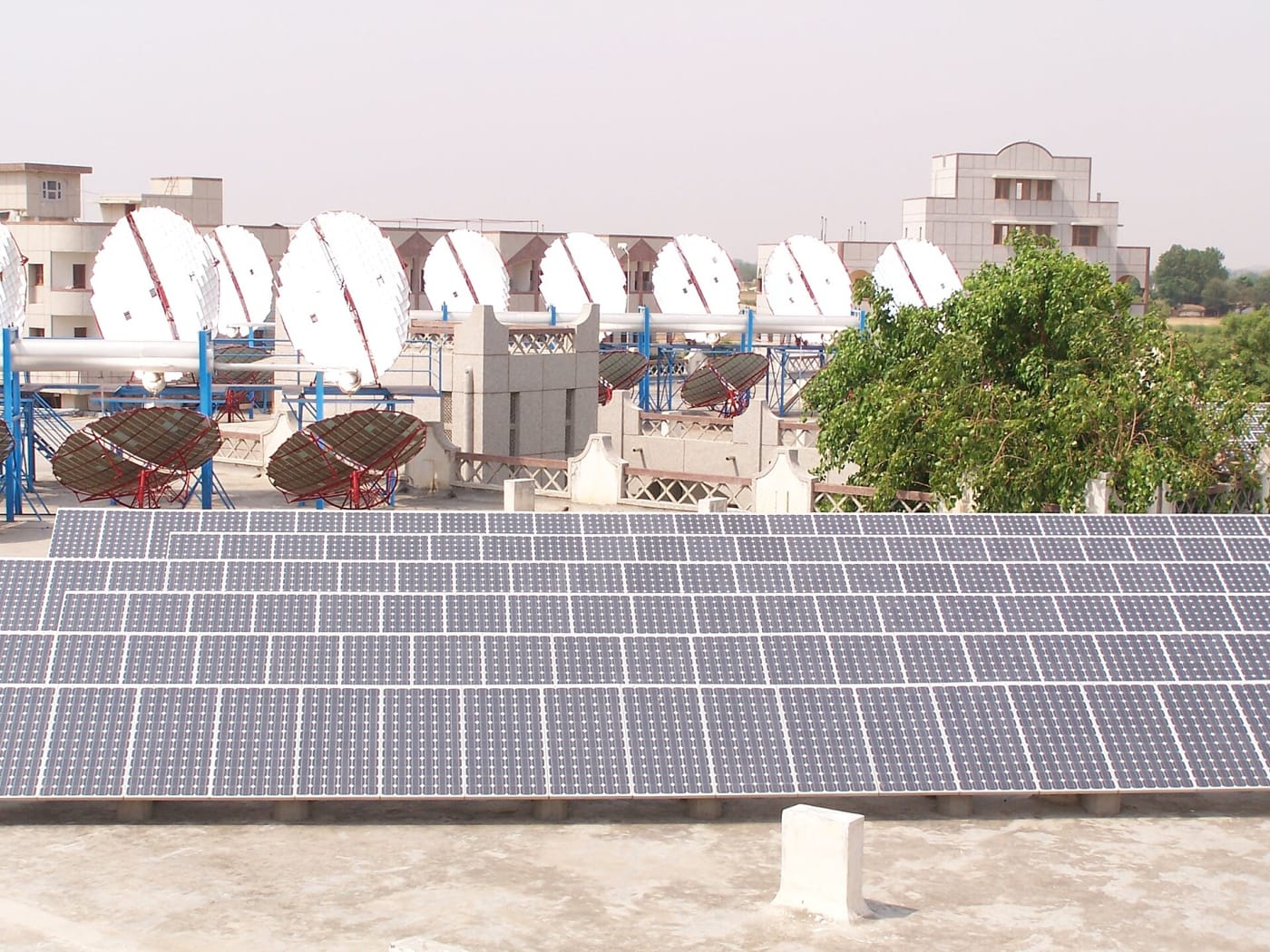
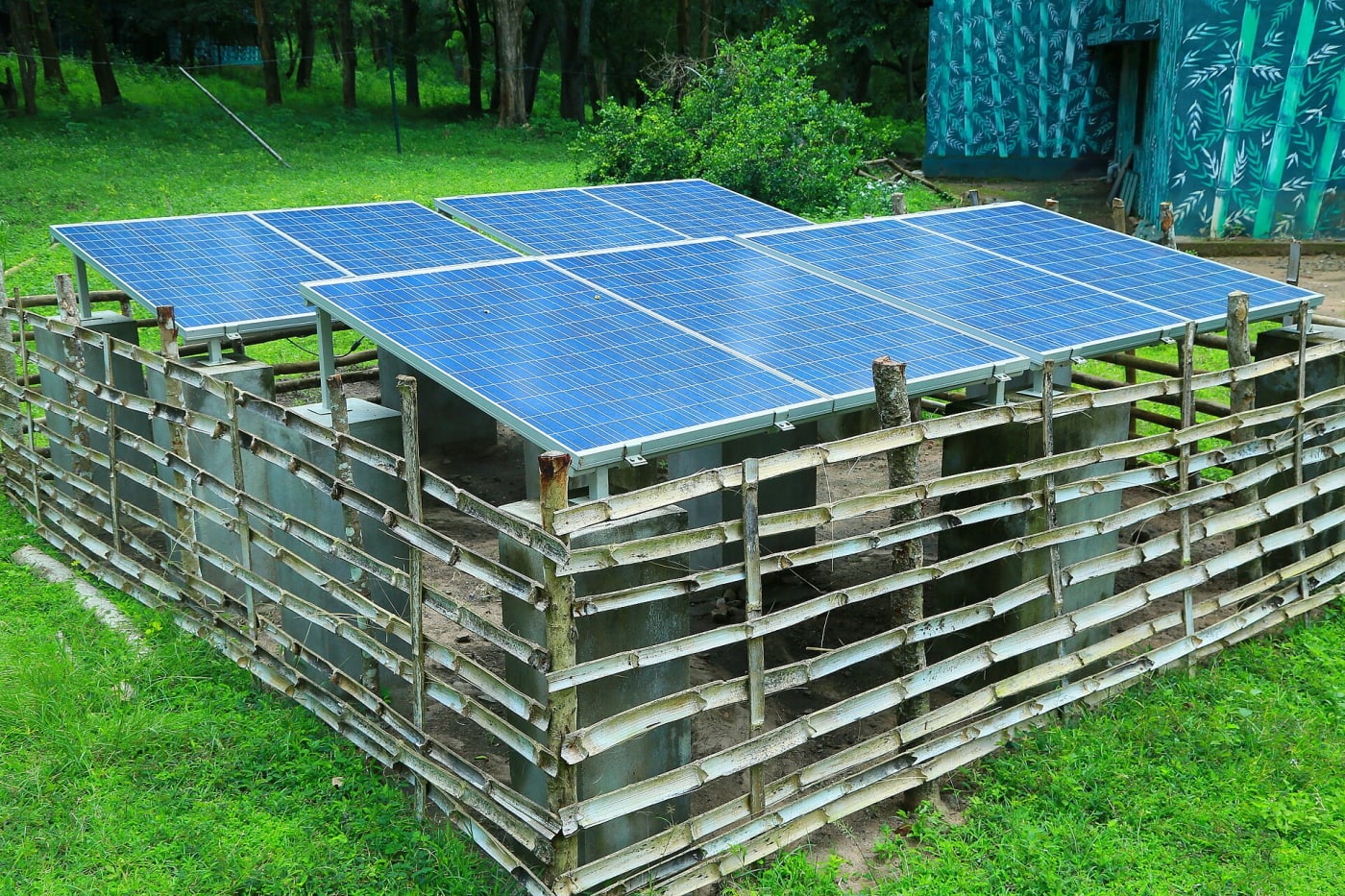
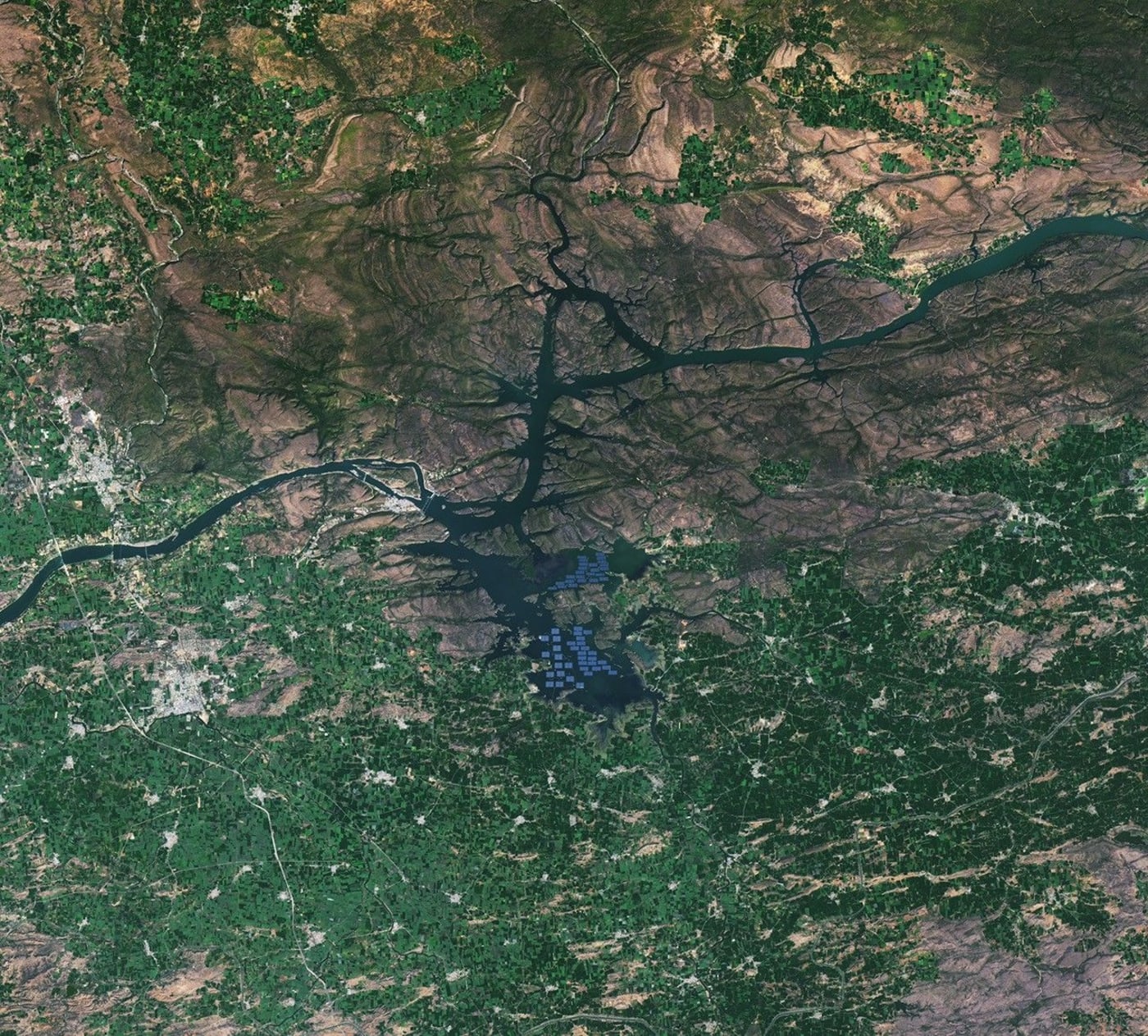
Solar drove the change, growing from 2.82 GW in 2014 to 168.04 GW as on 31 August 2026 — a more than fifty-fold rise — helped by giant solar parks and the PM Surya Ghar rooftop scheme, which targets one crore homes. Wind reached 56.09 GW (March 2026). The world's largest renewable-energy park, a 30 GW solar-wind hybrid, is being built in Gujarat, and India is now the fourth-largest renewable market globally.
How it works
Renewable power is built mostly by private developers who win projects through reverse auctions run by agencies like SECI: the company offering the lowest tariff wins a long-term power-purchase agreement — which is why India's solar tariffs are among the world's cheapest. Big projects cluster in solar parks with ready land and grid links, and the power reaches states through Green Energy Corridor transmission lines.
Outlook
India crossed 500 GW of total power capacity in 2025 and, for the first time, over half is non-fossil — the 50% clean-energy goal was met in June 2025, five years early. The target now is 500 GW of non-fossil capacity by 2030, led by solar and wind, backed by a huge build-out of battery and pumped-hydro storage to keep the grid steady, on the road to net-zero by 2070.
By the numbers
81 → 304.33 GW non-fossil capacity (2014→31 August 2026). 2.82 → 168.04 GW solar (over 50×). 56.09 GW wind (March 2026). ~50% of capacity non-fossil by 2025. 0.1% energy shortage (2024-25). Sources: Ministry of Power, MNRE, PIB.
Data current to: As on 31 August 2026
Source: Ministry of New and Renewable Energy — installed non-fossil capacity (renewables including large hydro, plus nuclear) in GW, 2014–August 2026. As on 31 August 2026: 304.33 GW, of which 295.55 GW renewable and 8.78 GW nuclear (MNRE Physical Progress, linked). · link