India's first Antarctic expedition set out in 1981 and reached Antarctica on 8 January 1982. The first station, Dakshin Gangotri, was established in 1983, the year India signed the Antarctic Treaty (19 August) and received Consultative status (12 September). Maitri was commissioned in 1989 and Bharati on 18 March 2012, while the Arctic station Himadri was inaugurated at Ny-Ålesund, Svalbard, on 1 July 2008. NCPOR, founded on 5 April 2000, added a Southern Ocean expedition in 2004, Arctic research in 2007 and Himalayan cryosphere research in 2013.
Polar & Himalayan Research
Polar & Himalayan Research
India's polar programme began with its first expedition to Antarctica in 1981 and is run by the National Centre for Polar and Ocean Research (NCPOR), Goa, under the Ministry of Earth Sciences. India operates two year-round Antarctic stations, Maitri (1989) and Bharati (2012), the Arctic station Himadri in Svalbard (2008) and the Himalayan station Himansh (2016), and has run Southern Ocean expeditions since 2004. The Indian Antarctic Act, 2022 came into force on 7 August 2023, and India hosted the 46th Antarctic Treaty Consultative Meeting in Kochi in May 2024. A replacement for Maitri, Maitri-II, has in-principle approval and is expected to be completed by 2032.
2
Year-round Antarctic stations: Maitri (1989) and Bharati (2012)
400+
Delegates from 56 countries at ATCM-46, Kochi (May 2024)
₹29.2 crore
Approved for Maitri-II design and detailed project report (Dec 2025)
Indian Scientific Expedition to Antarctica, sailed December 2023 (expeditions annual since 1981)
2016
Himansh opens in the Himalaya
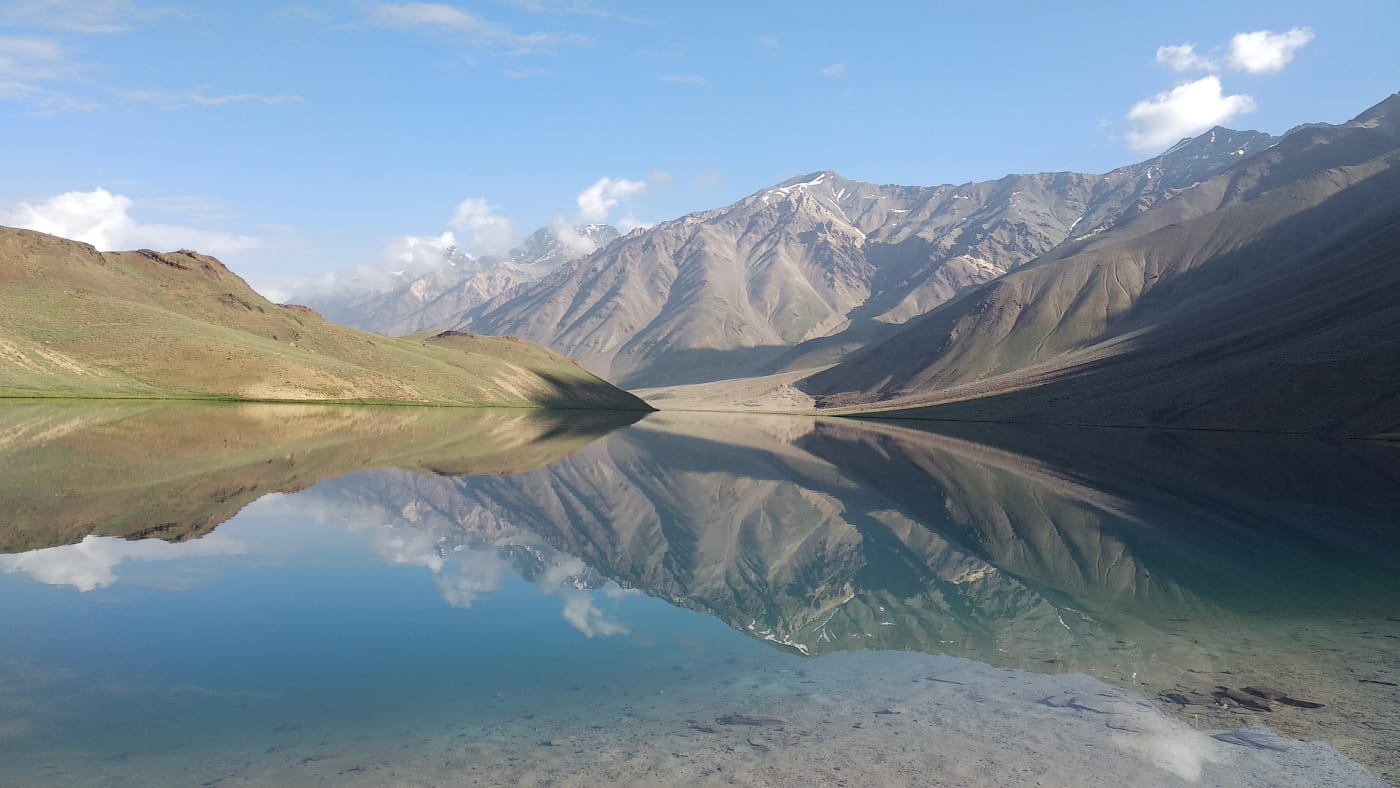
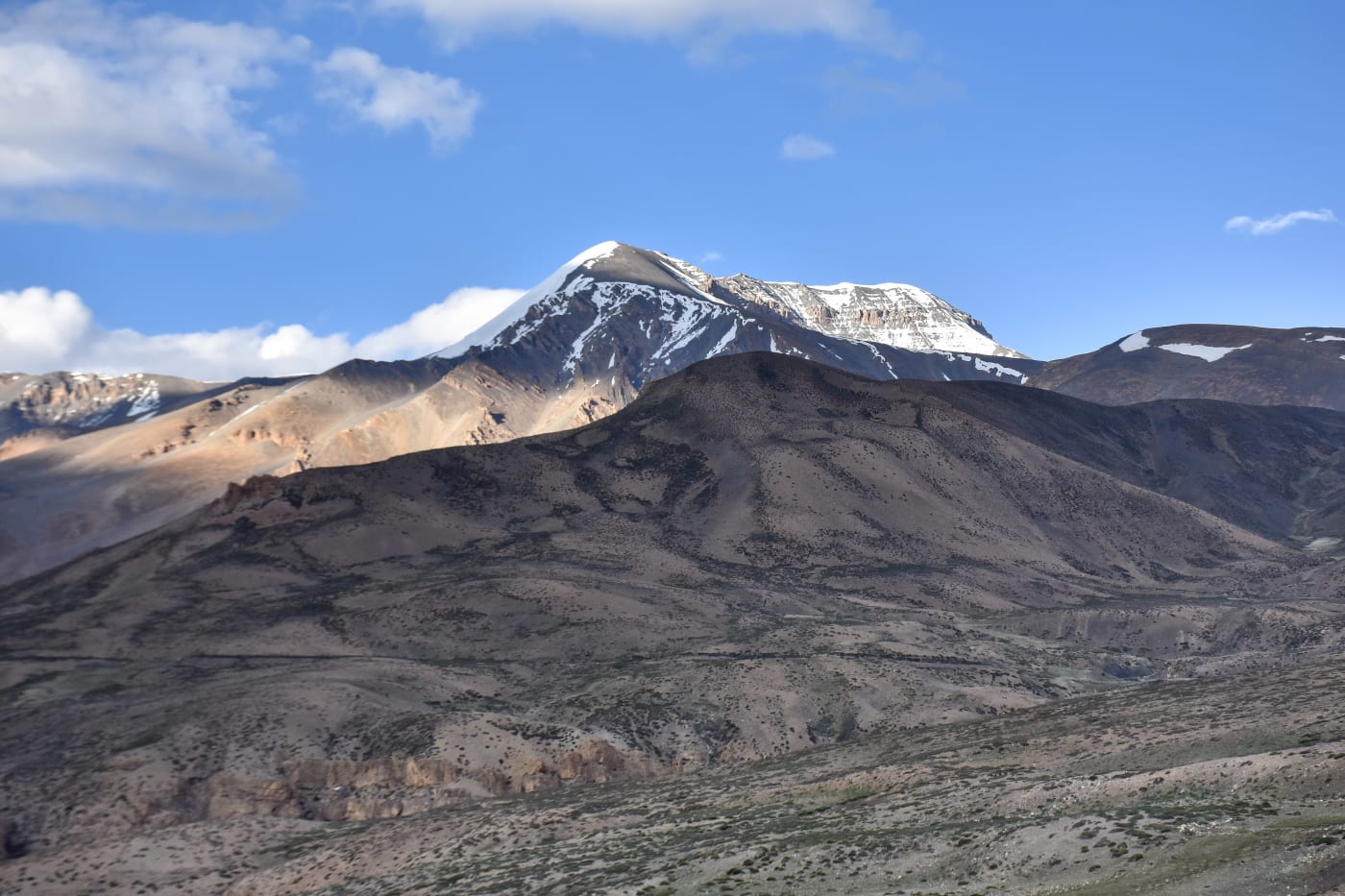
NCPOR's high-altitude research station Himansh, at 4,080 m in the Chandra basin of Lahaul-Spiti, Himachal Pradesh, was unveiled on 9 October 2016 to study glaciers.
2021
40th Antarctic expedition returns
2022
Indian Antarctic Act passed
2023
Antarctic Act comes into force
2023
First winter Arctic expedition
2023
43rd Antarctic expedition sails
2024
Kochi hosts Antarctic Treaty meeting
2025
Maitri-II approved in principle
2026
Remote ultrasound at Maitri
2016
1milestones
20162026
Latest
Himansh opens in the Himalaya
NCPOR's high-altitude research station Himansh, at 4,080 m in the Chandra basin of Lahaul-Spiti, Himachal Pradesh, was unveiled on 9 October 2016 to study glaciers.
Why it matters Changes at the poles and in the Himalaya reach India: the Ministry of Earth Sciences notes that Arctic processes such as sea ice and ocean circulation affect weather and climate in the tropics, including the monsoon. Himalayan glaciers feed northern rivers; NCPOR estimates that glacier melt contributes about 44% of discharge in the Indus basin and 70–80% in the Chandra basin. As a Consultative Party to the Antarctic Treaty since 1983, India also takes part in decisions on how Antarctica is governed.
- Antarctic stations: Dakshin Gangotri (1983), Maitri (commissioned 1989) and Bharati (commissioned 18 March 2012); Maitri and Bharati operate year-round
- India signed the Antarctic Treaty on 19 August 1983 and received Consultative status on 12 September 1983
- Himadri, India's first Arctic research station, at Ny-Ålesund, Svalbard, was inaugurated on 1 July 2008
- Indian Antarctic Act, 2022 (No. 13 of 2022): assent 6 August 2022, in force from 7 August 2023
- ATCM-46, Kochi (20–30 May 2024): 400+ delegates from 56 countries; Parties adopted 17 revised and new management plans for Antarctic Specially Protected Areas
- Chandra basin glaciers, monitored by NCPOR since 2013, have lost about 6% of their area in 20 years (Rajya Sabha reply, July 2025)
History
Notable milestone
From 20 to 30 May 2024, India hosted the 46th Antarctic Treaty Consultative Meeting (ATCM-46) and the 26th meeting of the Committee for Environmental Protection in Kochi, through NCPOR. More than 400 delegates from 56 countries attended. The Parties adopted 17 revised and new management plans for Antarctic Specially Protected Areas and decided to develop a framework for regulating tourism and non-governmental activities in Antarctica. At the meeting, the Minister of Earth Sciences announced India's plan to set up a new research station, Maitri-II.
How it works
NCPOR runs India's expeditions to the Antarctic and the Arctic under the Ministry of Earth Sciences' PACER (Polar and Cryosphere) scheme. Each Antarctic expedition carries food, fuel and spares to Maitri and Bharati and changes over the winter crew; Bharati can house 47 people in its main building, or 72 in summer with emergency shelters and camps. The Indian Antarctic Act, 2022 provides for an Indian Antarctic Authority, chaired by the Secretary of the Ministry, to oversee Antarctic research and expeditions. At Himansh, at 4,080 m in the Chandra basin, scientists monitor six glaciers for mass, energy and water balance.
Outlook
The Ministry plans to replace the existing Maitri station with Maitri-II: it has approved ₹29.2 crore for architectural design and a detailed project report, and expects the station to become operational in about seven years, by 2032. NCPOR's Director said in December 2025 that the Government had also given in-principle approval for India's first indigenous ice-class research vessel. Winter expeditions to Himadri, begun in December 2023, extend Arctic work beyond the April–October summer season. In the Himalaya, Chandra basin glaciers have lost about 6% of their area in 20 years and retreated 13 to 33 metres a year over the last decade.
By the numbers
43rd Antarctic expedition sailed from Cape Town (23 Dec 2023); expeditions annual since 1981. 2 year-round Antarctic stations, Maitri (1989) and Bharati (2012), plus Himadri in the Arctic (2008) and Himansh in the Himalaya (2016). 400+ delegates from 56 countries at ATCM-46, Kochi (May 2024). ₹29.2 crore for Maitri-II design, with completion expected by 2032. About 6% of Chandra basin glacier area lost in 20 years. Sources: Ministry of Earth Sciences and NCPOR via PIB; NCPOR; Rajya Sabha reply (31 July 2025); Parliament reply (10 December 2025).
Data current to: status as of August 2026
Source: Ministry of Earth Sciences and NCPOR via PIB, NCPOR and Parliament replies — the timeline dates the Himansh station (2016), the return of the 40th Antarctic expedition (2021), the Indian Antarctic Act (passed 2022, in force 2023), the first winter Arctic expedition and the 43rd Antarctic expedition (2023), the 46th Antarctic Treaty Consultative Meeting in Kochi (2024), Maitri-II (2025) and a tele-robotic ultrasound link to Maitri (2026). Headline: PIB, 6 January 2024 — the vessel of the 43rd Indian Scientific Expedition to Antarctica left Cape Town on 23 December 2023 (linked). NCPOR has since invited research proposals for the 44th and 45th expeditions, but no official report of their launch was located, so the headline stays at the 43rd. · link