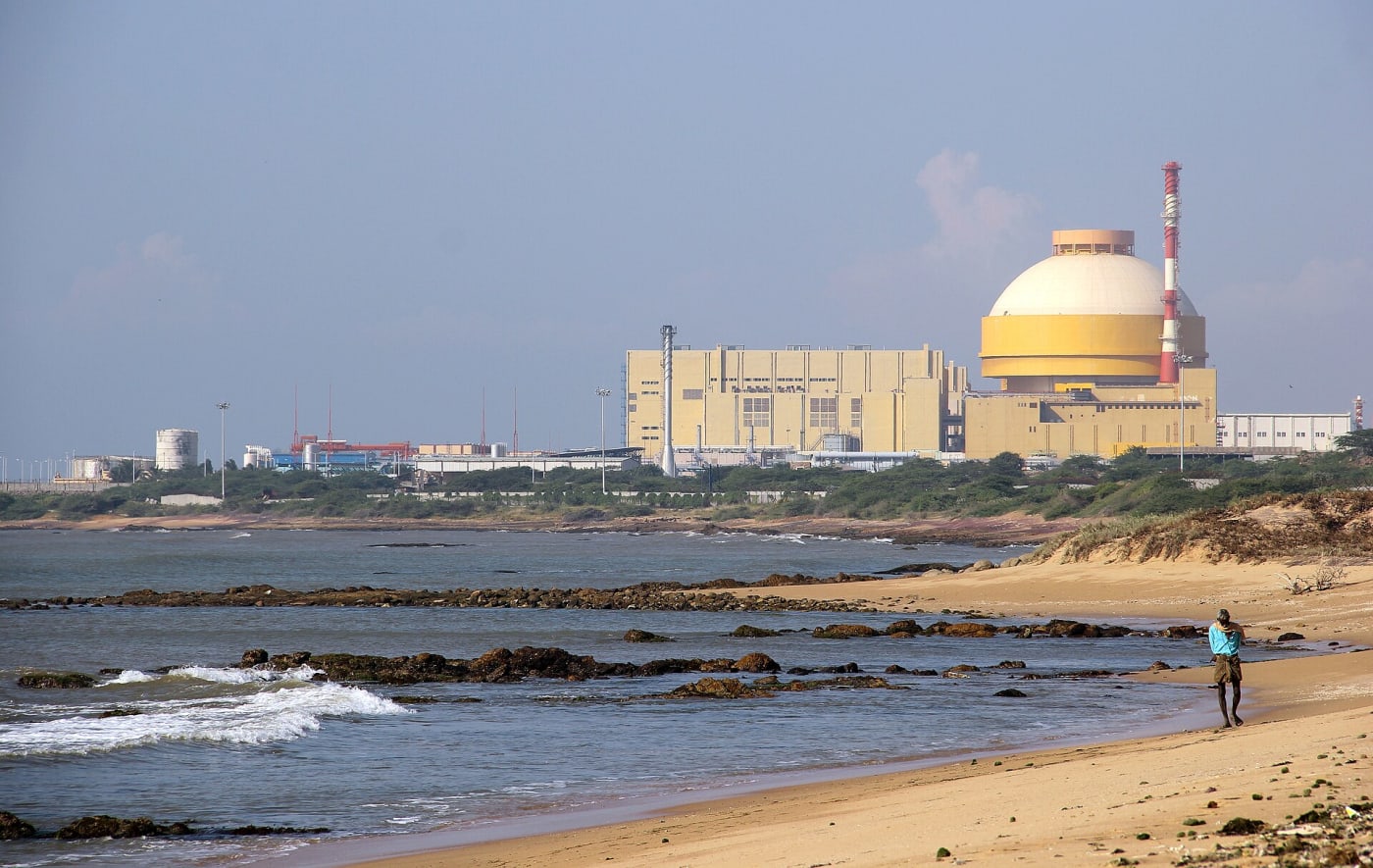
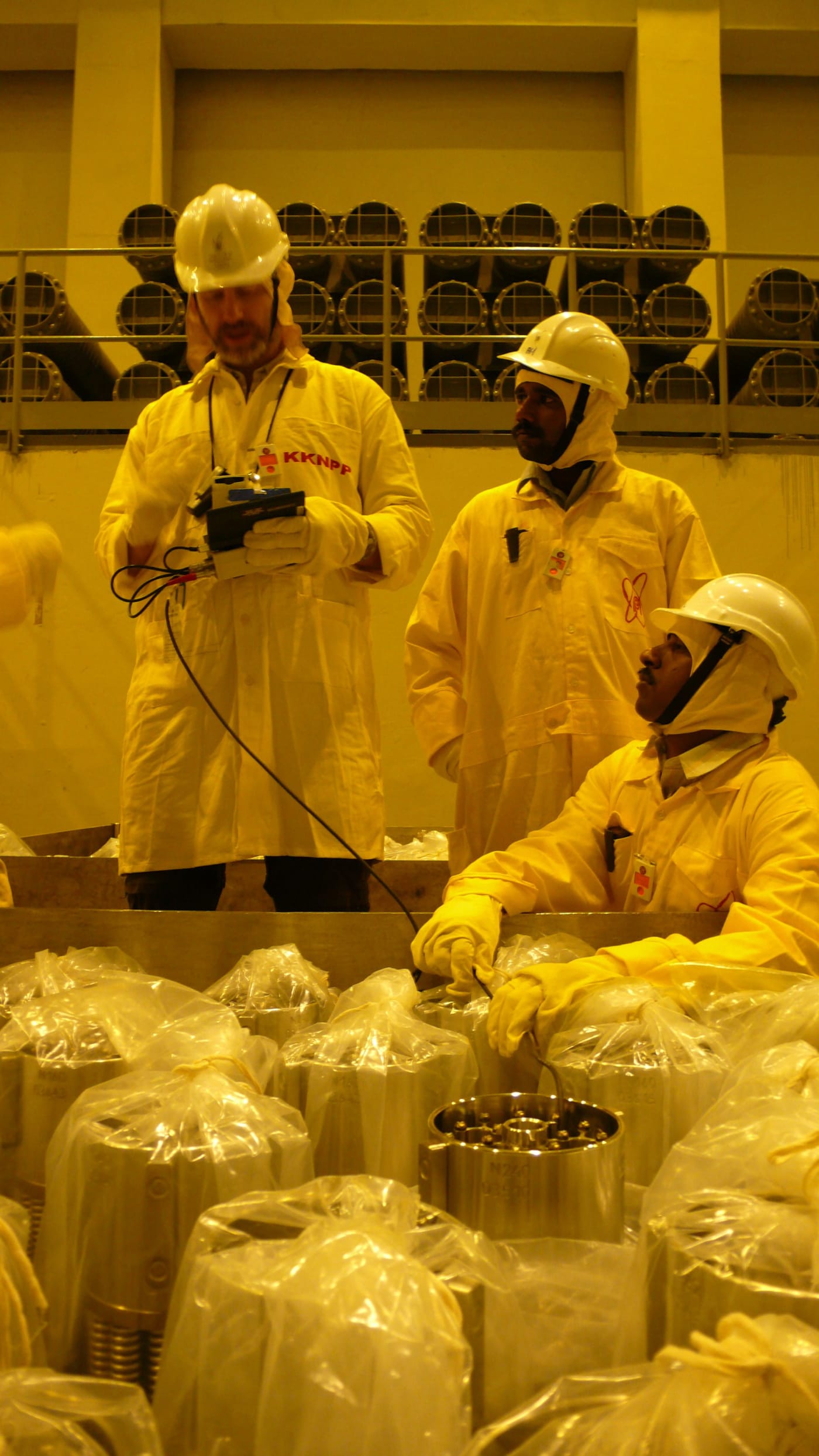
India's nuclear programme, built partly in isolation after decades of sanctions, remains a small but strategic part of the energy mix. Installed capacity grew from about 4.8 GW in 2014 to about 8.78 GW by 2026 across about two dozen reactors, and NPCIL set a record ~57 billion units of generation in FY25. Most reactors are indigenously designed pressurised heavy-water reactors.
Nuclear Power
Nuclear Power
Nuclear power is a small but strategic slice of India's clean-energy mix. Installed capacity rose from about 4.8 GW in 2014 to about 8.78 GW by 2026 across around two dozen reactors, and generation hit a record ~57 billion units in FY25. India plans to reach 22.5 GW by 2032 and an ambitious 100 GW by 2047, including small modular reactors. The counter shows installed nuclear capacity.
4.8 → 8.78 GW
Nuclear capacity
~57 bn units
Record output (FY25)
100 GW
Target by 2047
Nuclear capacity
| Year | Nuclear capacity |
|---|---|
| 2014 | 4.8 GW |
| 2015 | 5.3 GW |
| 2016 | 5.3 GW |
| 2017 | 6.8 GW |
| 2018 | 6.8 GW |
| 2019 | 6.8 GW |
| 2020 | 6.8 GW |
| 2021 | 6.8 GW |
| 2022 | 6.8 GW |
| 2023 | 7.5 GW |
| 2024 | 8.2 GW |
| 2025 | 8.8 GW |
| by 2047 | 100.0 GW — Govt target |
2014
0.0GW
Nuclear capacity
20142025
Since 2014
Added
+4.0 GW
2014
4.8 GW
2025
8.8 GW
Govt target
100.0 GW
by 2047
Nuclear Energy Mission (Budget 2025-26)
Why it matters Nuclear provides steady, low-carbon 'base-load' power that complements variable solar and wind — important for a reliable clean-energy grid.
- Nuclear capacity: ~4.8 GW (2014) → 8.78 GW (2026)
- Target 22.5 GW by 2032, 100 GW by 2047; SMRs planned
- Source: Dept of Atomic Energy / NPCIL
History
Notable plans
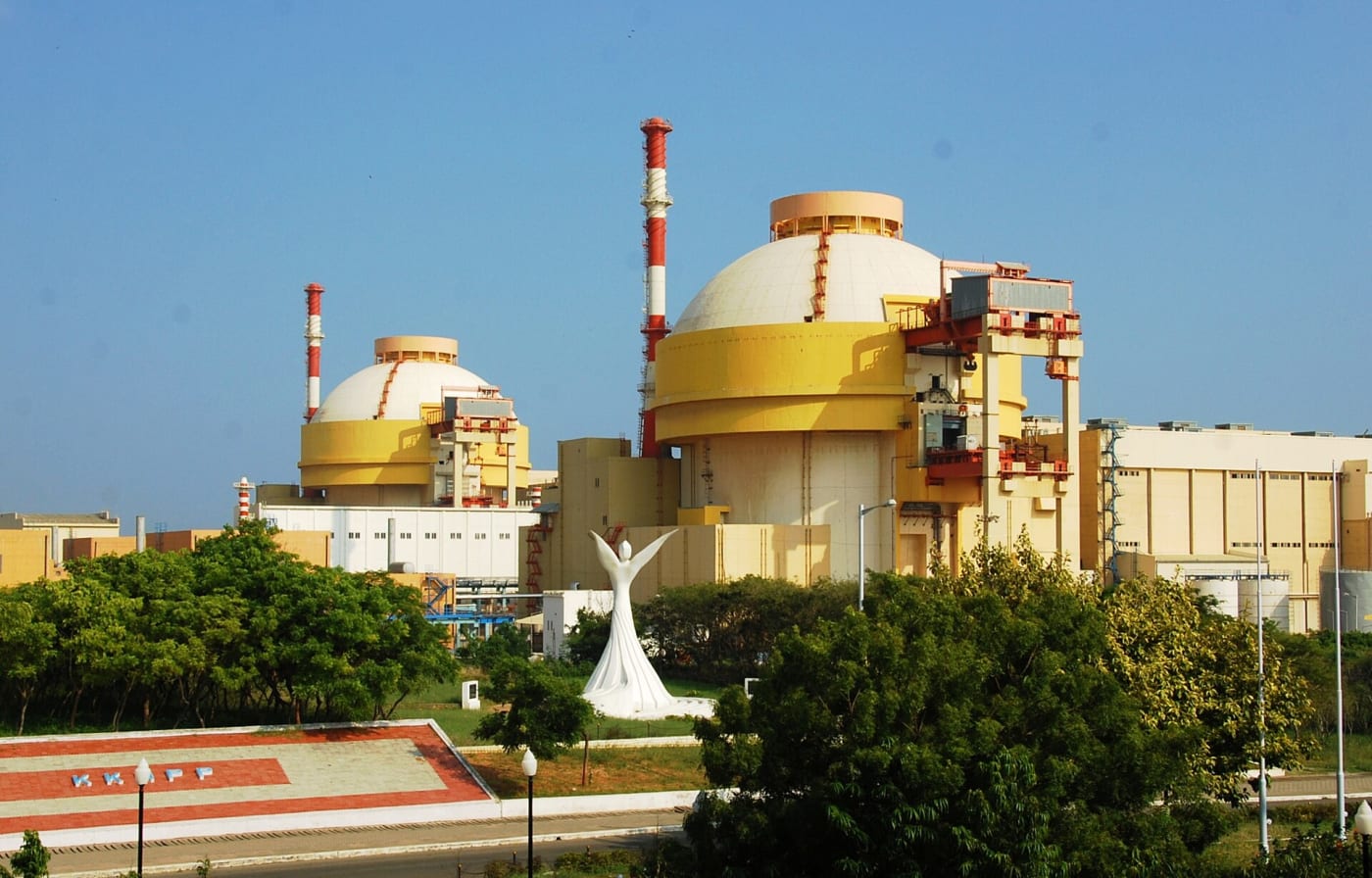
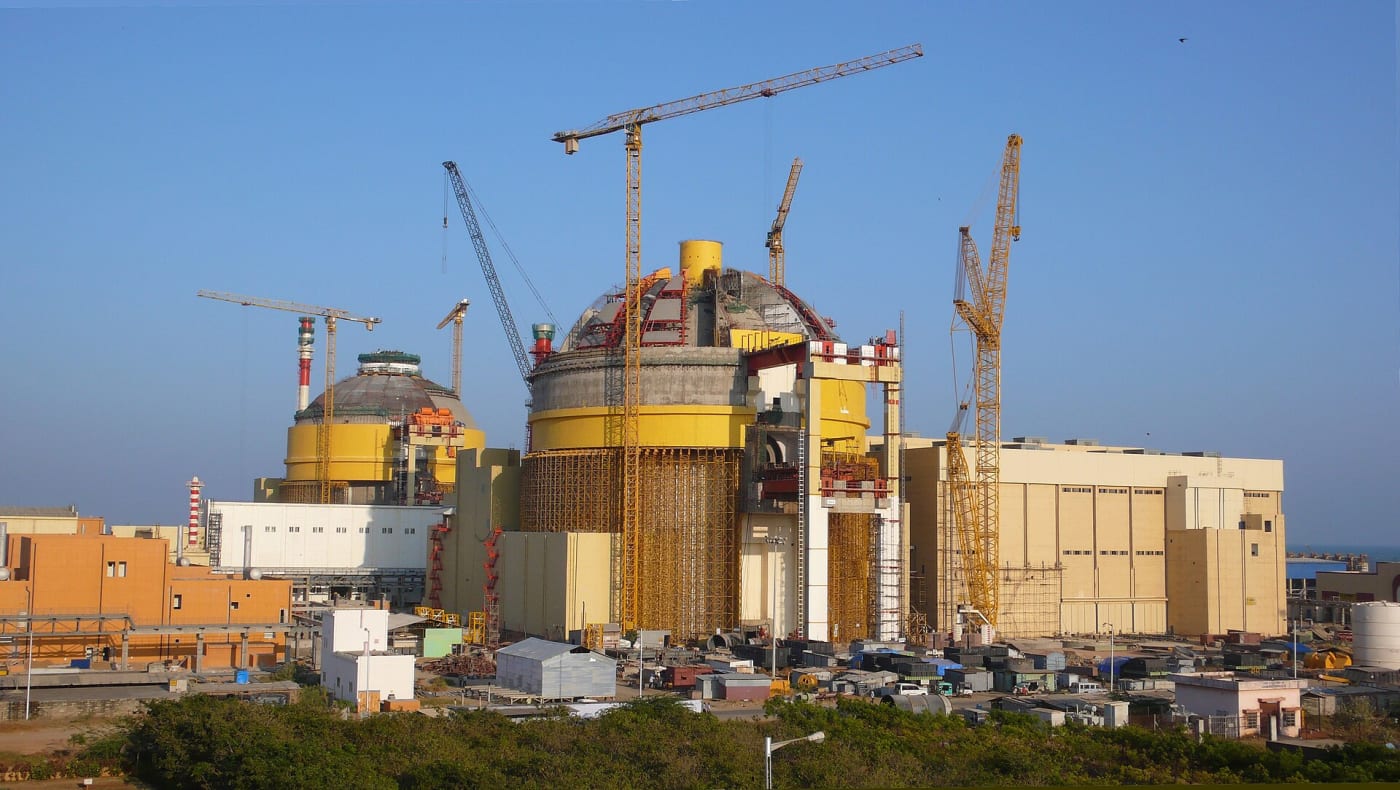
India has set out an ambitious expansion: 22.5 GW by 2032 and a landmark 100 GW by 2047. Ten new 700 MW reactors are being built in fleet mode, a public-private push is opening the sector to companies like NTPC, and India aims to build small modular reactors (SMRs) for flexible, distributed power. It also runs a unique thorium-based programme for the long term.
How it works
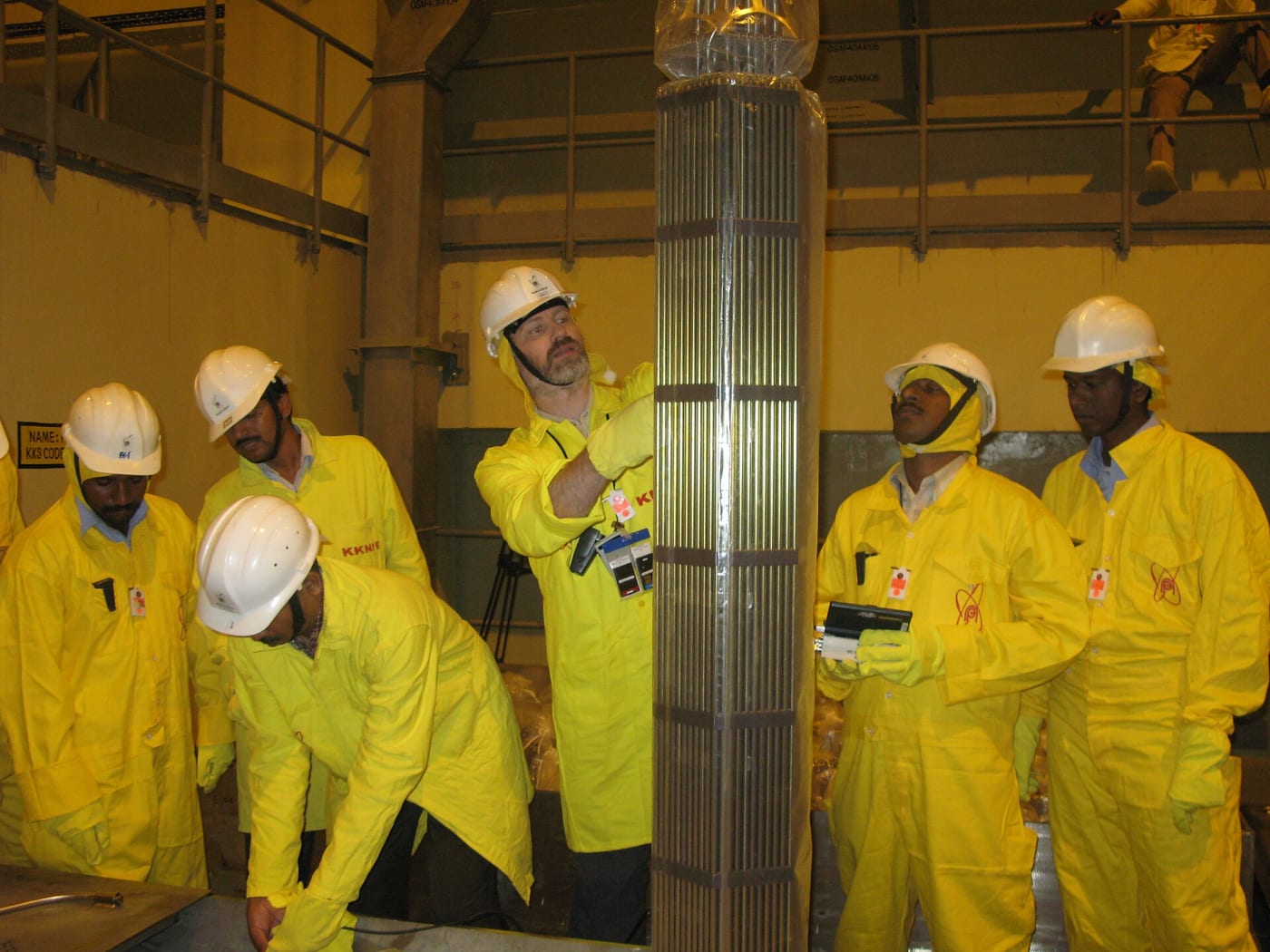
India's nuclear fleet is run by the state's NPCIL, built mostly around indigenous Pressurised Heavy Water Reactors — a design India mastered after global sanctions cut off technology in the 1970s. Uranium fuels today's plants, but the long game is a three-stage programme ending in reactors run on India's vast thorium reserves. New joint ventures (NPCIL with NTPC) and imported light-water reactors are being added to speed capacity up.
Outlook
The 2025 Budget launched a Nuclear Energy Mission (₹20,000 crore) with a bold goal: 100 GW of nuclear capacity by 2047, more than eleven times today's 8.78 GW. The plan leans on indigenous Small Modular Reactors (at least five by 2033) and, crucially, on amending the Atomic Energy and civil-liability laws to let private and foreign firms build reactors for the first time.
By the numbers
~4.8 → 8.78 GW nuclear capacity (2014→2026). Record ~57 bn units (FY25). Target 22.5 GW by 2032, 100 GW by 2047. Sources: DAE, NPCIL.
Data current to: As on 12 August 2025
Source: Dept of Atomic Energy / NPCIL via PIB — installed nuclear capacity (GW), 2014–2025. PIB: grown from around 4,780 MW in 2014 to 8,780 MW in 2025, across 25 reactors operated by NPCIL. · link