Cleaning the Ganga had been attempted for decades with limited success. Namami Gange, launched in June 2014 with a ₹20,000 crore outlay (later extended to about ₹22,500 crore to 2026), took a more integrated approach — treating sewage, tackling industrial effluent, developing riverfronts and restoring ecology under one mission, the National Mission for Clean Ganga (NMCG). Total sanctioned outlay has since grown past ₹40,000 crore.
Namami Gange
Namami Gange
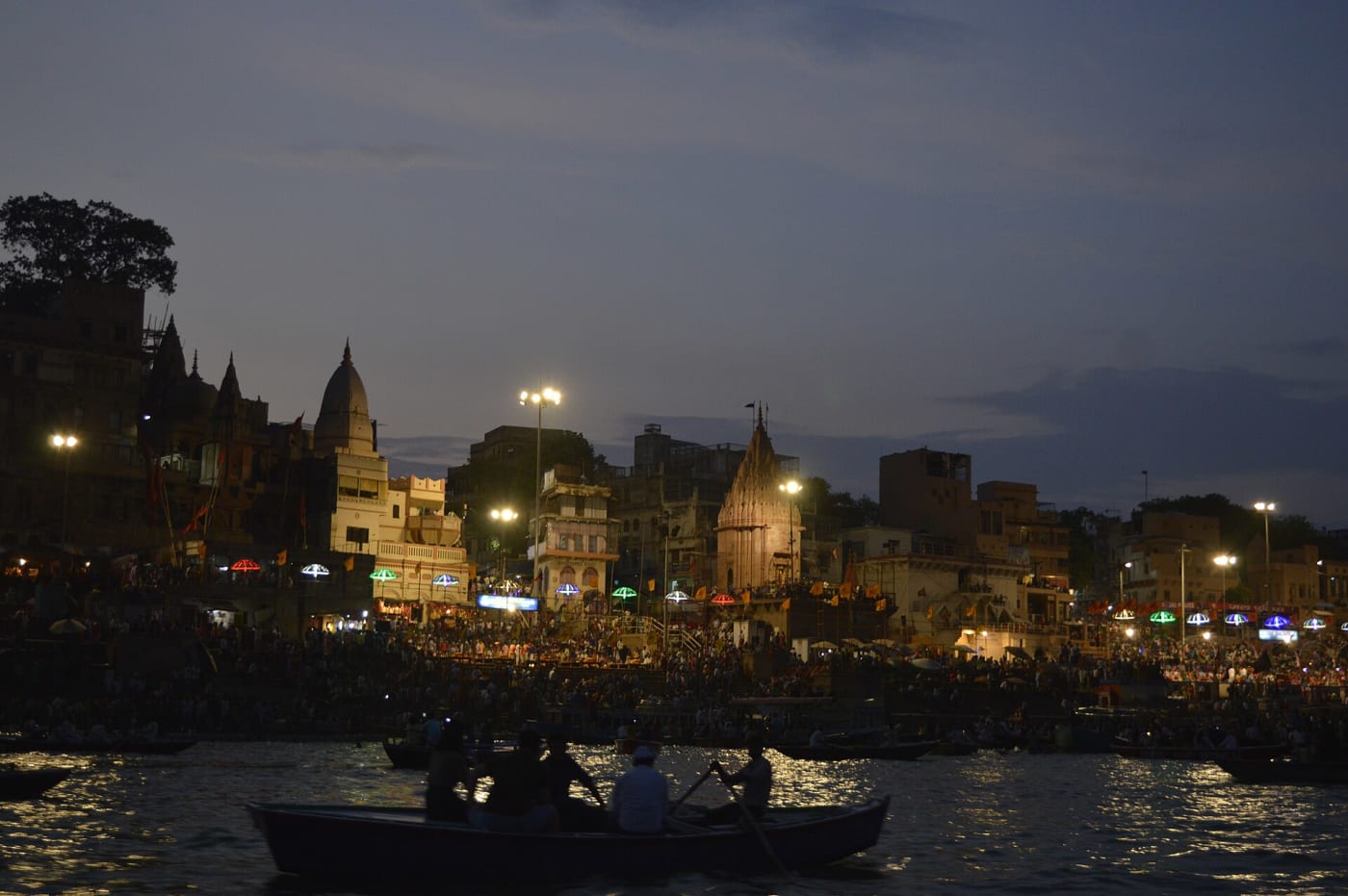
The Ganga is India's most sacred and most polluted major river, its basin home to over 40 crore people. Namami Gange, launched in 2014 with a ₹20,000 crore outlay (later extended), set out to clean it — mainly by building sewage-treatment capacity so untreated waste stops flowing in. This map traces the river corridor from the Himalayas to the sea, lighting up each stretch in the year its cleanup projects came online.
3,806 MLD
Sewage treatment added
~355
Projects completed
₹40,000 cr+
Invested since 2014
Sewage treatment added
2014
0stretches
0 cities
20142025
—
Why it matters The Ganga supports agriculture, drinking water, culture and ecology for a huge population, so its health is a national priority.
- Sewage-treatment capacity: 3,806 MLD completed and operational (Dec 2025)
- Gangetic dolphins rose from ~3,330 (2018) to ~3,936 (2024)
- Source: National Mission for Clean Ganga (NMCG)

History
Notable projects
The core work has been sewage-treatment plants (STPs). Around 355 projects have been completed and 3,806 MLD of sewage-treatment capacity completed and operational by December 2025. Varanasi's capacity quadrupled from 100 to 420 MLD; Prayagraj, Kanpur, Patna and the Yamuna cities near Delhi and Agra all gained major plants. Ecological signs are encouraging: the Gangetic dolphin population rose from about 3,330 (2018) to 3,936 (2024), and the programme was named a UN World Restoration Flagship.
How it works
Cleaning a river as vast as the Ganga means stopping pollution at source, not just treating the water. The core of Namami Gange is building sewage treatment plants (STPs) in the towns and cities along the river, so untreated drains no longer empty into it. Alongside come riverfront development, industrial-effluent controls, afforestation on the banks, and biodiversity work (reviving the Gangetic dolphin) — coordinated by a single National Mission for Clean Ganga.
Outlook
Water quality has improved along many stretches and the Gangetic dolphin is returning — clear signs the mission is working. The next step is keeping every treatment plant running at full capacity, extending the model to tributaries like the Yamuna, and building the public participation that keeps the river clean for good.
By the numbers
~355 projects completed of ~524 sanctioned. 3,806 MLD STP capacity completed and operational (Dec 2025). ₹40,000 crore+ sanctioned since 2014. Dolphins: ~3,330 (2018) → ~3,936 (2024). Sources: National Mission for Clean Ganga, CPCB, WII.
Data current to: as reported 8 December 2025
Source: National Mission for Clean Ganga — Ganga corridor cleanup, cities lit up by project completion year, 2014–2025. PIB, December 2025: 138 sewage-treatment projects with a capacity of 3,806 MLD completed and operational, out of 216 projects taken up for 6,561 MLD (linked). · link