As budget airlines and the aviation boom took off, demand for jet fuel (ATF) climbed from 5.5 million tonnes in 2013-14 to a record 9.2 MMT in 2025-26 (provisional) — with a sharp crash to 3.7 MMT in pandemic-hit 2020-21 before recovering above pre-COVID levels in 2024-25.
Jet Fuel (ATF)
Jet Fuel (ATF)
Jet fuel — aviation turbine fuel, or ATF — is the fuel of India's air-travel boom. Consumption rose from 5.5 million tonnes in 2013-14 to a record 9.2 MMT in 2025-26 (provisional), with a sharp dip in pandemic-hit 2020-21 before a strong recovery. India actually makes more jet fuel than it uses, so it exports the surplus. The counter shows ATF consumption by financial year; the 2025-26 figure is provisional.
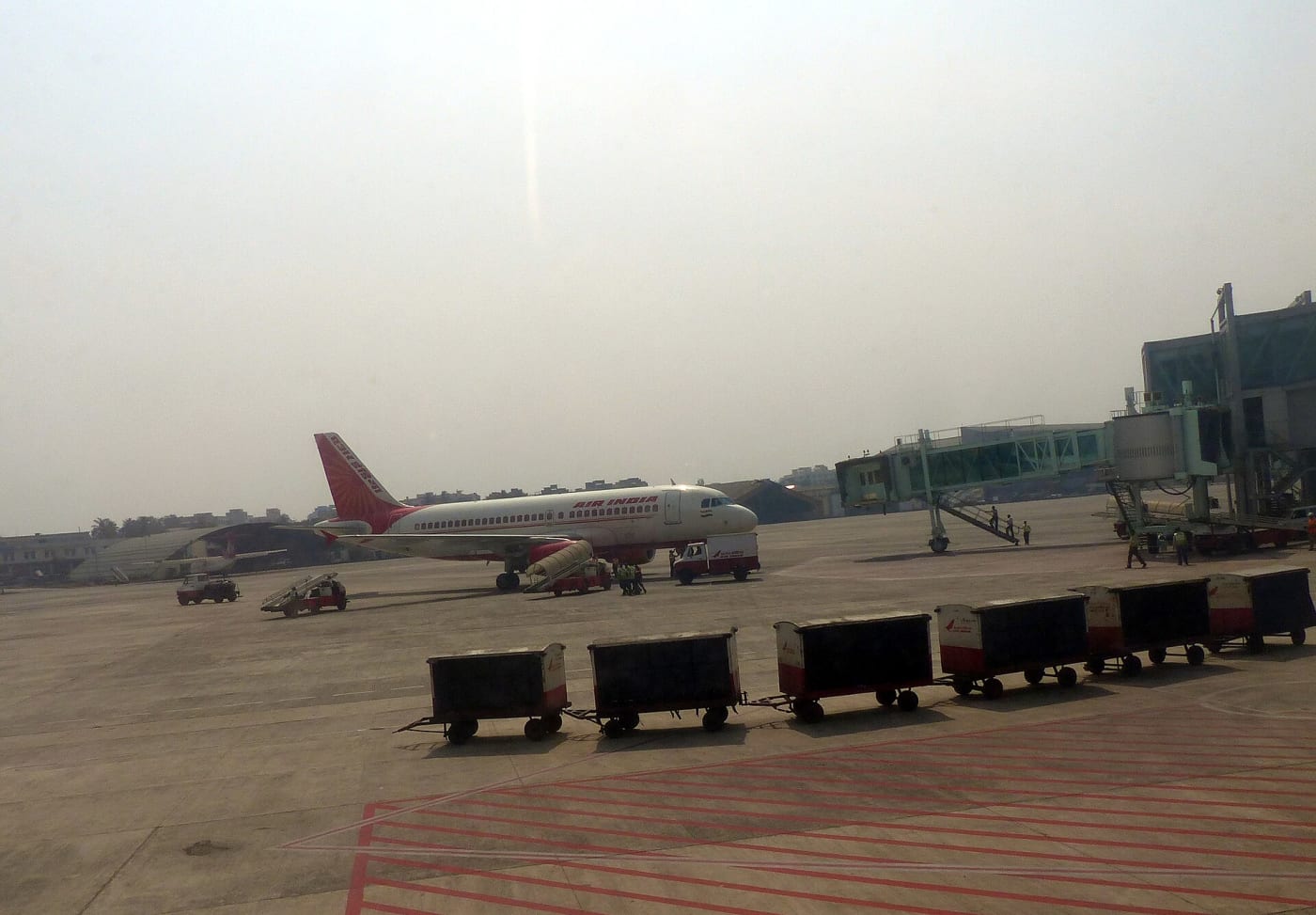
Net exporter
ATF trade position
Outside GST
Taxation status
SAF
Sustainable aviation fuel push
ATF consumption (MMT)
| Year | ATF consumption |
|---|---|
| 2014 | 5.5 MMT |
| 2015 | 5.7 MMT |
| 2016 | 6.3 MMT |
| 2017 | 7.0 MMT |
| 2018 | 7.6 MMT |
| 2019 | 8.3 MMT |
| 2020 | 8.0 MMT |
| 2021 | 3.7 MMT |
| 2022 | 5.0 MMT |
| 2023 | 7.4 MMT |
| 2024 | 8.2 MMT |
| 2025 | 9.0 MMT |
| 2026 | 9.2 MMT |
2014
0.0MMT
ATF consumption
20142026
Since 2014
Added
+3.7 MMT
2014
5.5 MMT
2026
9.2 MMT
Why it matters Jet-fuel demand is a live pulse of the aviation boom — more flights, more airports and more passengers all show up as ATF burned.
- Consumption: 5.5 MMT (2013-14) → 9.2 MMT (2025-26, provisional)
- India is ATF-surplus — 17.8 MMT produced and 8.5 MMT exported in 2024-25
- Fell to 3.7 MMT in 2020-21 (COVID), then passed the pre-pandemic peak in 2024-25
- Source: PPAC; MoPNG Indian Petroleum & Natural Gas Statistics
History
An exporter of jet fuel
India's refineries make more ATF than the country burns, so India exports the surplus alongside its other refined products. In 2024-25 India produced 17.8 MMT of ATF and exported 8.5 MMT. Jet fuel is about 3.8% of all petroleum products consumed, and Delhi — the biggest aviation hub, with 28.5% of ATF use in 2024-25 — is the single largest market.
How it works
Aviation Turbine Fuel (ATF), the kerosene that powers jet engines, is made in the same Indian refineries as diesel and petrol. India makes more than it uses, so it is a net exporter of jet fuel. At home, ATF sits outside GST, so it carries central excise plus widely varying state taxes (VAT) — so the tax on jet fuel differs from one state's airport to another.
Outlook
One open question is tax: ATF stays outside GST until the GST Council decides, so state VAT rates still differ. The bigger horizon is Sustainable Aviation Fuel (SAF) — greener jet fuel from waste and biomass — where India has set indicative blending targets of 1%, 2% and 5% for international flights from 2027, 2028 and 2030, and Indian Oil is building a SAF plant at its Panipat refinery.
By the numbers
ATF consumption 5.5 → 9.2 MMT (2013-14 → 2025-26, provisional); 3.8% of petroleum product consumption (2024-25); production 17.8 MMT and exports 8.5 MMT (2024-25). Sources: PPAC; MoPNG Indian Petroleum & Natural Gas Statistics.
Data current to: FY 2025-26 (provisional)
Source: Petroleum Planning & Analysis Cell (PPAC) and MoPNG Indian Petroleum & Natural Gas Statistics — domestic consumption of aviation turbine fuel (ATF) by financial year, million tonnes (sales by oil companies, private imports and SEZ sales to the domestic market): 5.5 in 2013-14, 5.7 in 2014-15, a pandemic low of 3.7 in 2020-21, 9.0 in 2024-25 and a record 9.2 in 2025-26 (provisional, PPAC, linked). India is a net exporter: in 2024-25 it produced 17.8 MMT of ATF and exported 8.5 MMT. Chart years are the year each financial year ends. · link