India's farms have long depended on the monsoon — in 2015-16, 49.3% of the gross cropped area was irrigated. Expanding and modernising irrigation has been a steady priority, anchored by the Pradhan Mantri Krishi Sinchayee Yojana (PMKSY) launched in 2015, which brought together canal, watershed and micro-irrigation efforts under one umbrella with the slogan Har Khet Ko Pani (water to every field).
Irrigation & Dams
Irrigation & Dams
Expanding irrigation is central to farm incomes and food security in India. Net irrigated area rose from 683.84 lakh hectares in 2014-15 to 777.29 lakh hectares in 2020-21, helped by the Pradhan Mantri Krishi Sinchayee Yojana (PMKSY) and a big push on micro-irrigation. The map shades each state by its net irrigated area in the latest official state-wise table, stepping through 2013-14 to 2015-16.
777 lakh ha
Net irrigated area (2020-21)
55%
of gross cropped area irrigated (2020-21)
UP · MP · Raj
Most irrigated states
Net irrigated area by state (2013-14 to 2015-16)
2014
0lakh ha
National total
0143.89 lakh ha
Shaded by state
20142016
Most irrigated states
Why it matters Only about half of India's cropland is irrigated; the rest depends on the monsoon, so irrigation directly shapes farm incomes, crop choice and resilience to drought.
- Uttar Pradesh, Madhya Pradesh and Rajasthan lead by irrigated area (2013-14 to 2015-16)
- 55% of gross cropped area irrigated in 2020-21, up from 49.3% in 2015-16
- Source: Ministry of Agriculture & Farmers Welfare (Land Use Statistics, via PIB)
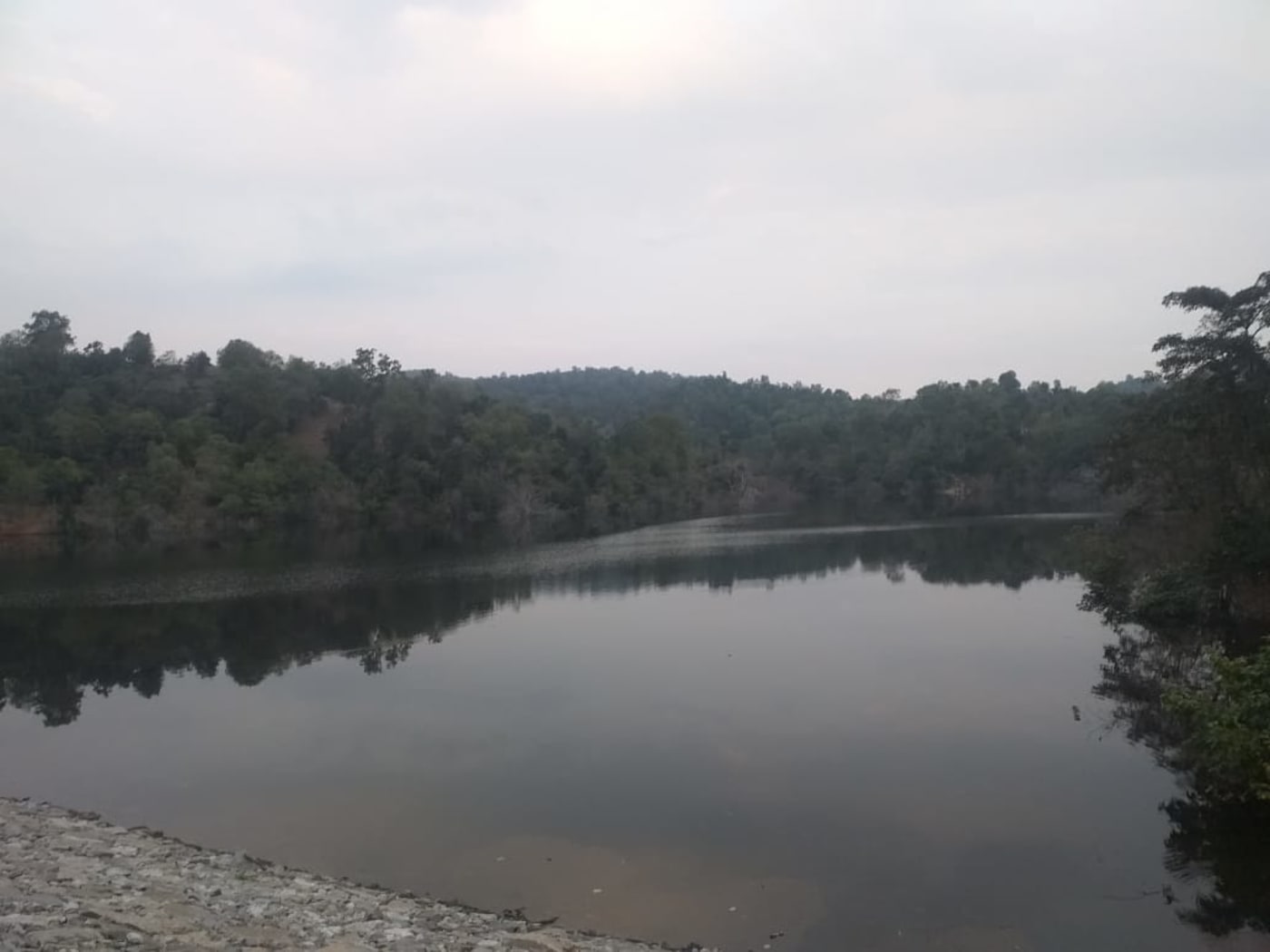
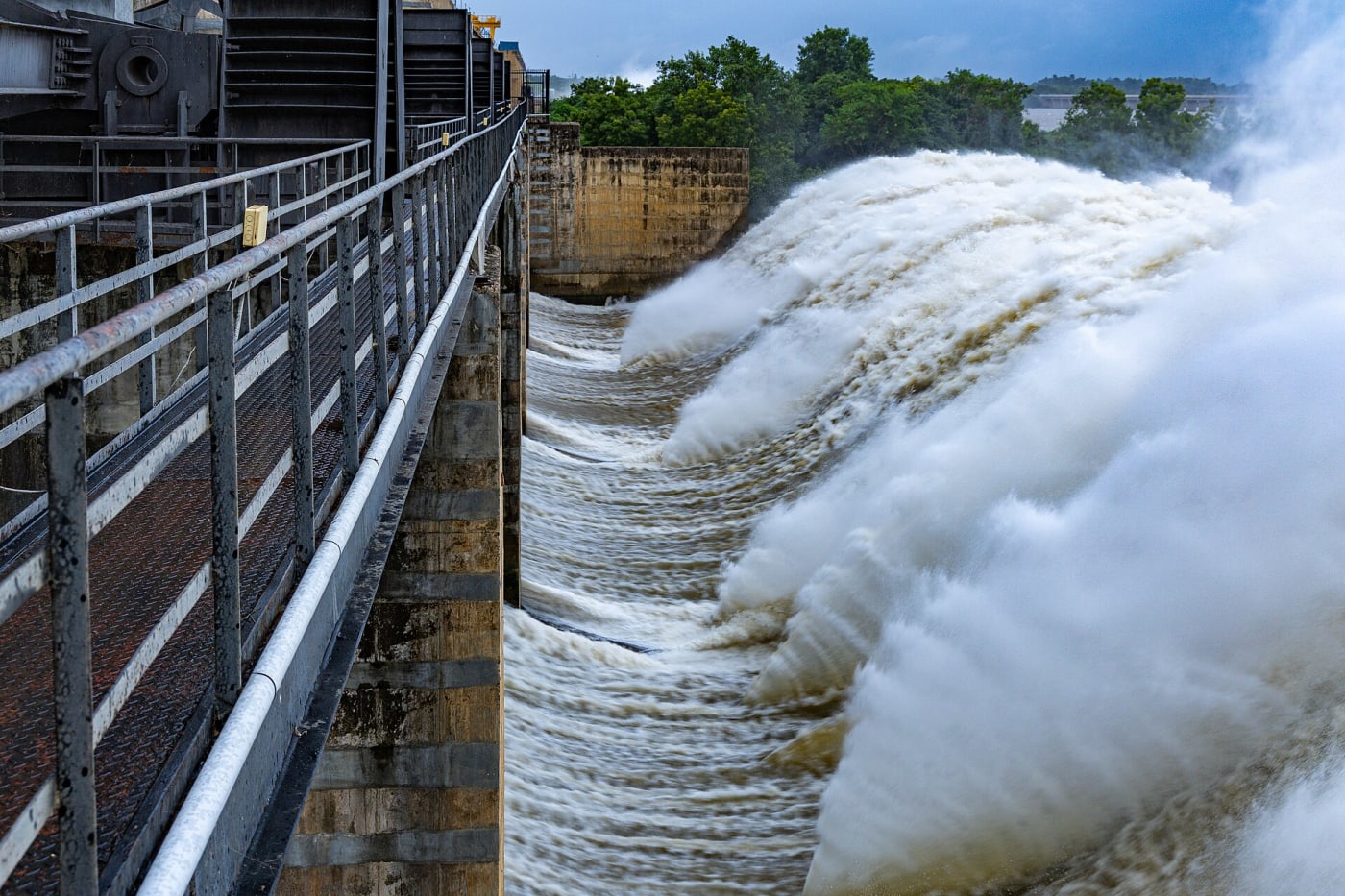
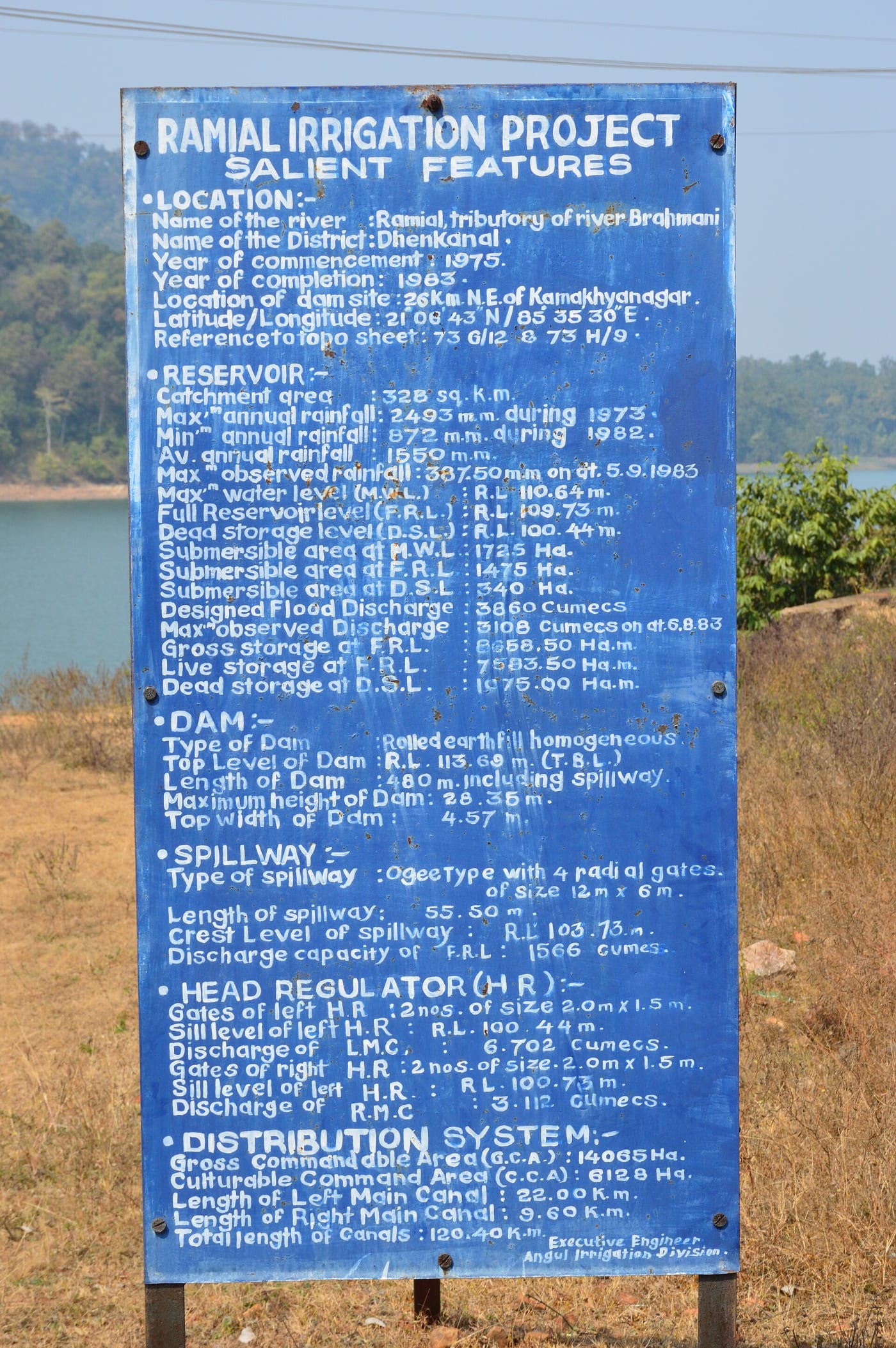
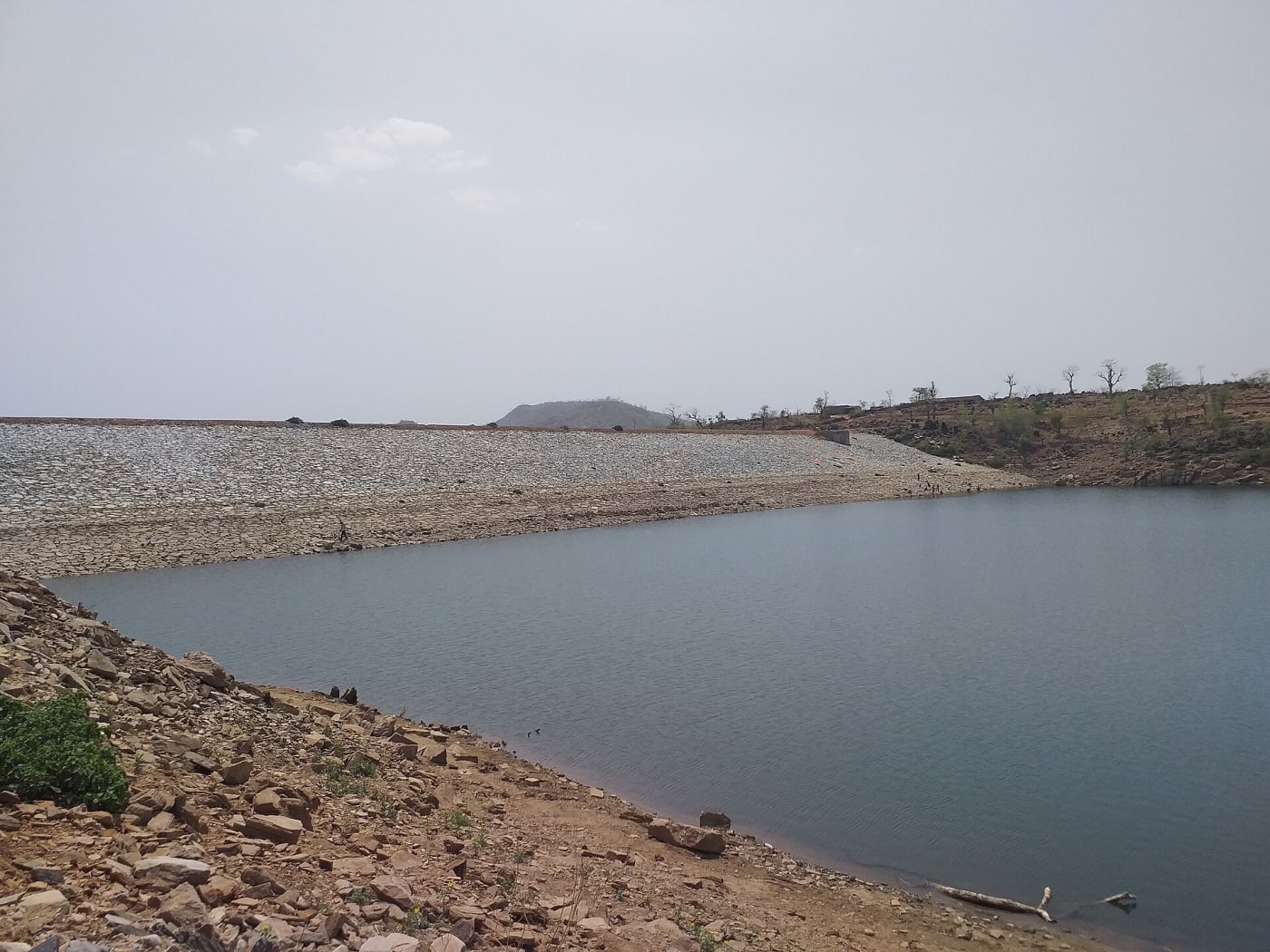
History
Notable projects
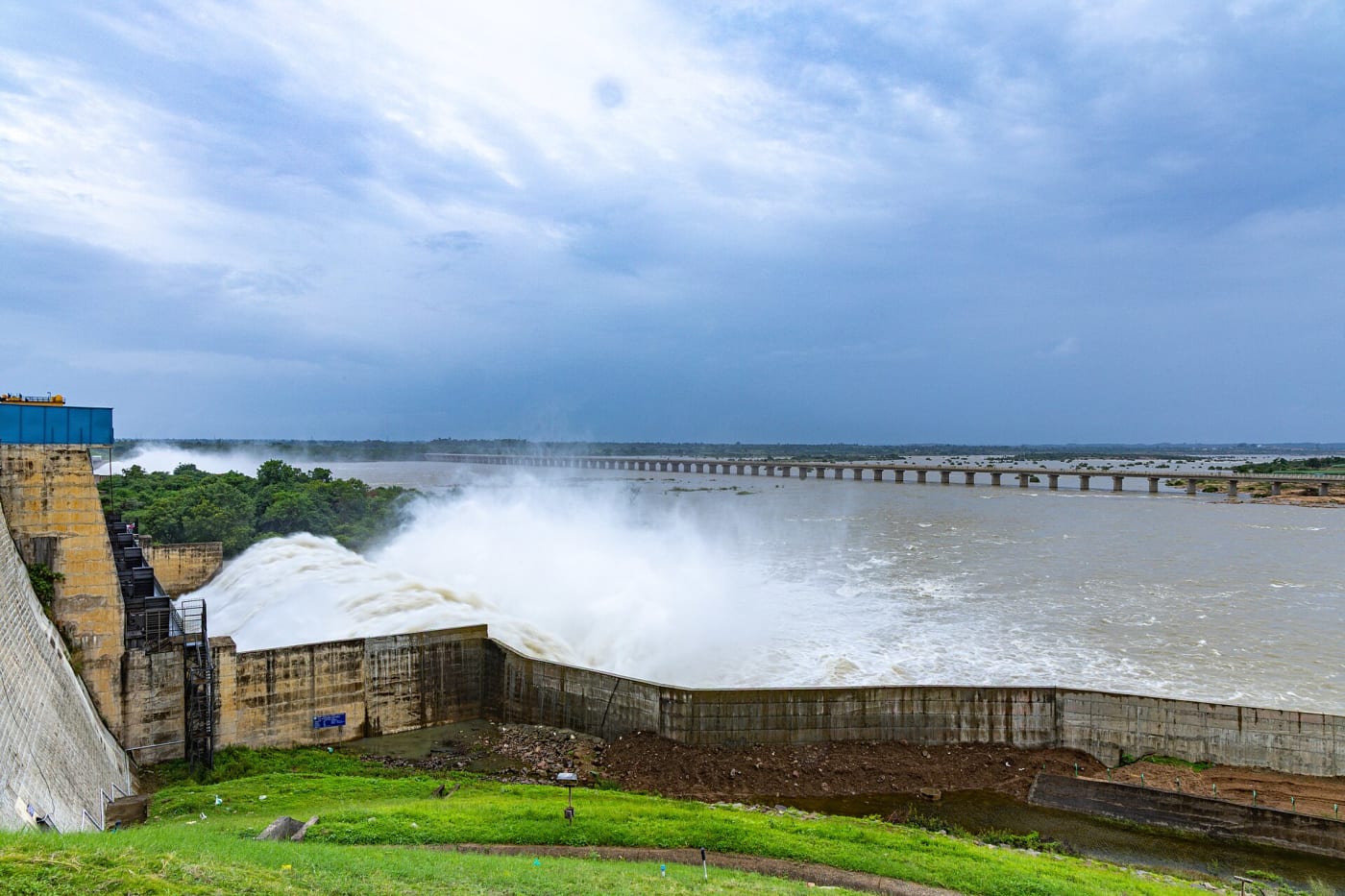
Micro-irrigation — drip and sprinkler systems that save water and lift yields — expanded fastest, with Maharashtra, Karnataka, Andhra Pradesh, Tamil Nadu, Gujarat and Rajasthan covering the most area in 2025-26. Large projects also advanced, including Telangana's Kaleshwaram lift-irrigation scheme and long-pending dams taken up under the Accelerated Irrigation Benefits Programme.
How it works
Indian farming still depends heavily on the monsoon, so irrigation is what makes two or three crops a year possible. Water reaches fields three ways: big dam-and-canal systems, groundwater pumped from wells (over-used in many areas), and modern micro-irrigation — drip and sprinkler — pushed hard under the 'Per Drop More Crop' programme to save water. The PMKSY ties these together to expand assured irrigation.
Outlook
The mission moved from more irrigation to more efficient, sustainable irrigation. Micro-irrigation under 'Per Drop More Crop' had covered 115 lakh hectares by July 2026, the Atal Bhujal Yojana is recharging groundwater in priority districts, canal networks are being lined to cut losses, and long-pending dam projects were revived and completed under PMKSY.
By the numbers
777 lakh ha net irrigated area (2020-21), up from 684 lakh ha (2014-15). 55% of gross cropped area irrigated (2020-21), up from 49.3% (2015-16). UP, MP, Rajasthan lead by area (2013-14 to 2015-16). 115 lakh ha under micro-irrigation (July 2026). Sources: Ministry of Agriculture & Farmers Welfare; Economic Survey 2024-25; PIB.
Data current to: Agricultural year 2020-21
Source: Ministry of Agriculture & Farmers Welfare, Land Use Statistics (via PIB) — net irrigated area, the area irrigated by any source counted once, lakh hectares, by agricultural year. All-India: 683.84 (2014-15), 692.70 (2016-17) and 777.29 (2020-21), the latest national figure we could confirm (linked). The map shows the official state-wise table for 2013-14 to 2015-16, plotted at 2014–2016, the latest state figures we could confirm; Jammu & Kashmir includes Ladakh. · link