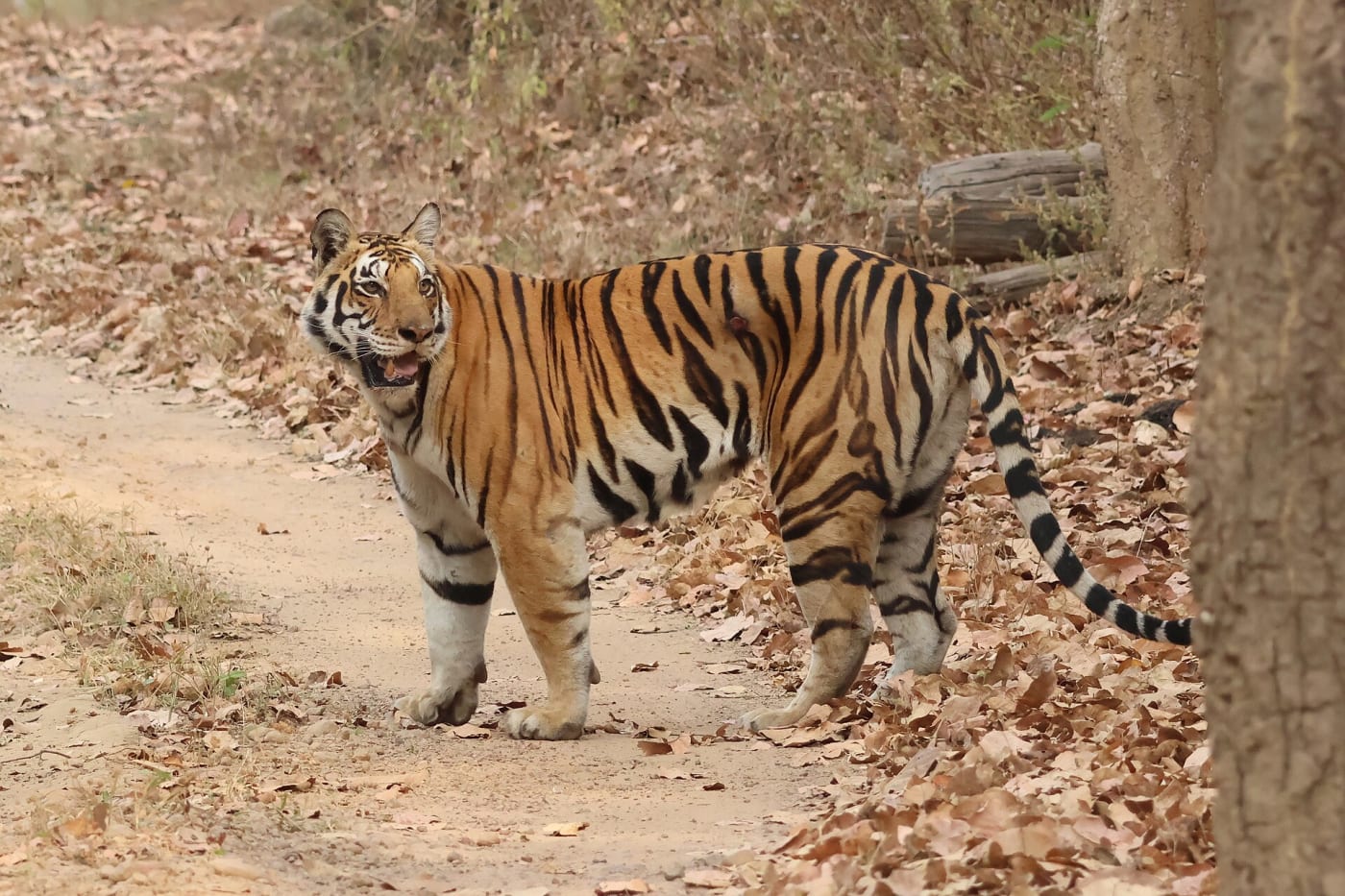
India's tiger story is one of the world's great conservation successes. Project Tiger, begun in 1973, and the National Tiger Conservation Authority have expanded protected reserves and cracked down on poaching. The wild tiger count rose from 1,411 in 2006 to 2,226 in 2014 and 3,682 in the 2022 census — India now holds around 70% of the world's wild tigers across 58 reserves.
Forests & Tigers
Forests & Tigers
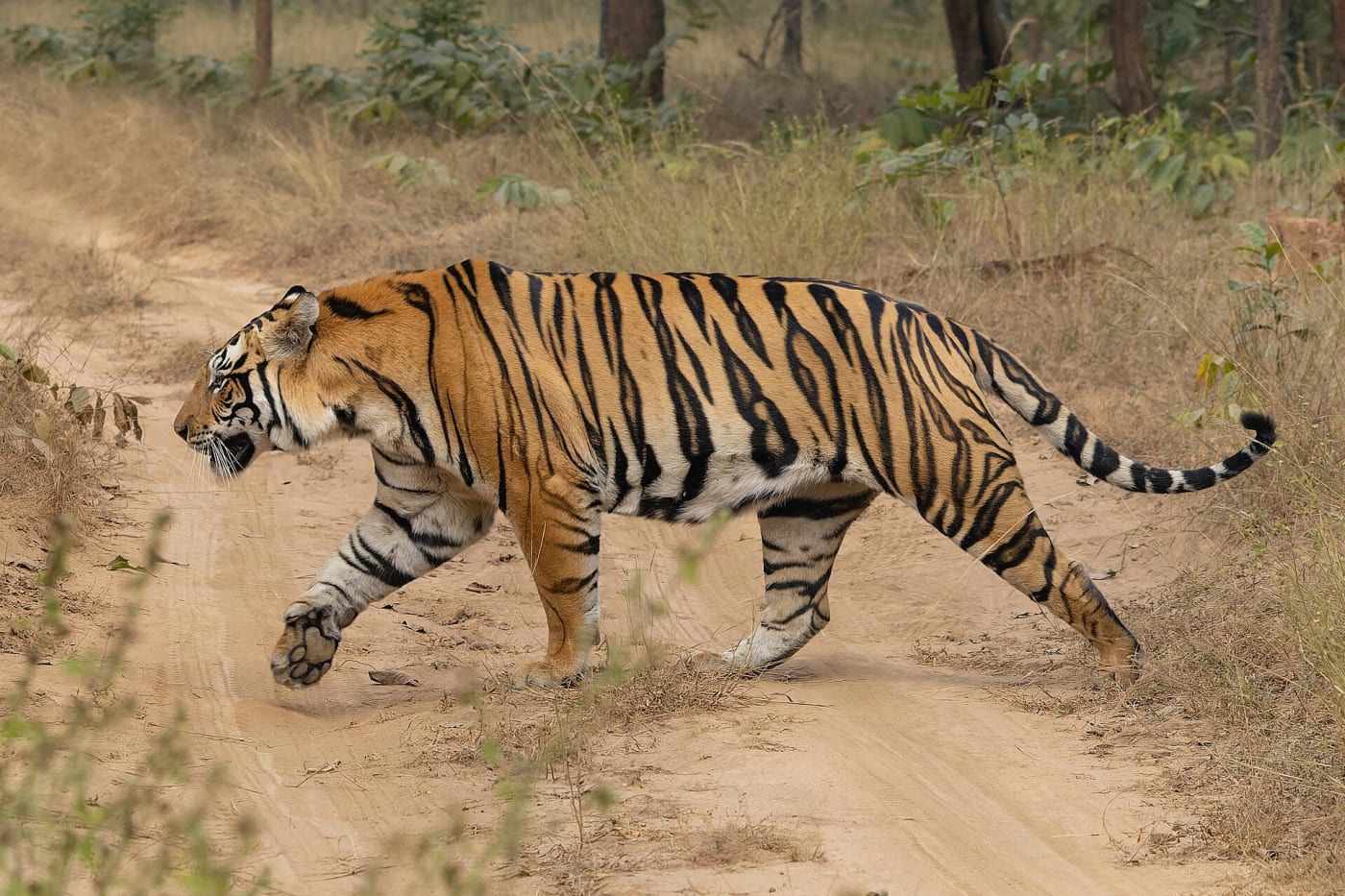
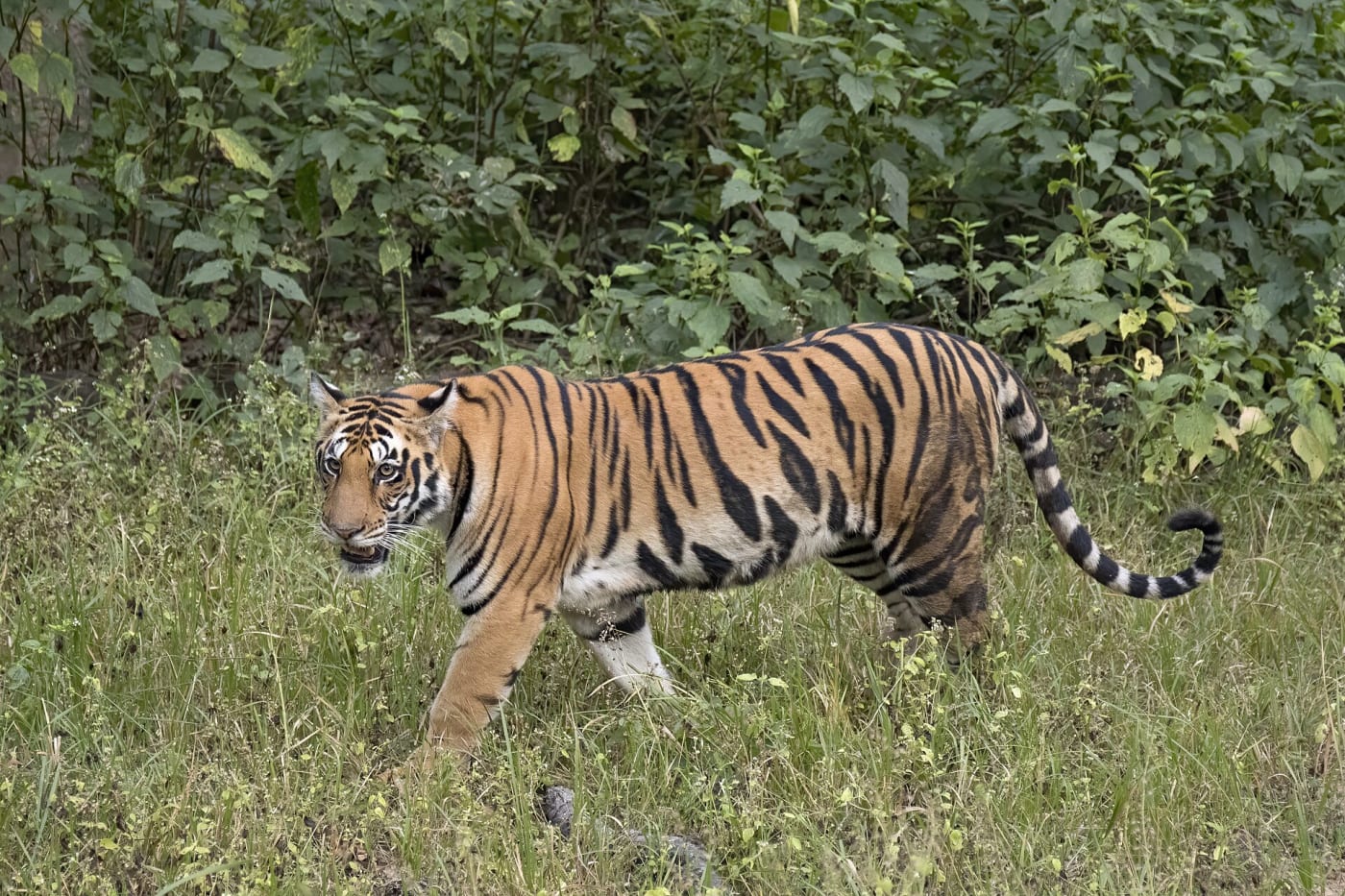
India is one of the few places where the wild tiger is thriving. Under Project Tiger and the National Tiger Conservation Authority, the wild tiger population rose from 2,226 in 2014 to 3,682 in the 2022 census — India now holds around 70% of the world's wild tigers. Forest and tree cover also expanded, to about a quarter of India's land — one of the few large economies where both forest cover and big-cat numbers are rising. The counter shows the All-India tiger estimate.
2,226 → 3,682
Wild tigers
~70%
Of world's wild tigers
58
Tiger reserves
Wild tigers
| Year | Wild tigers |
|---|---|
| 2014 | 2,226 tigers |
| 2018 | 2,967 tigers |
| 2022 | 3,682 tigers |
| Dashed bars are years the source does not publish; the shape between published years is drawn, not measured. | |
2014
0tigers
Wild tigers
20142022
Since 2014
Added
+1,456 tigers
2014
2,226 tigers
2022
3,682 tigers
Dashed bars are years the source does not publish; the shape between published years is drawn, not measured.
Why it matters The tiger is an 'umbrella species' — protecting it protects whole forest ecosystems, watersheds and countless other species, and supports eco-tourism livelihoods.
- Wild tigers: 2,226 (2014) → 3,682 (2022); ~70% of world's
- 58 tiger reserves; forest & tree cover ~25% of land
- Source: NTCA / Wildlife Institute of India

History
Notable impact
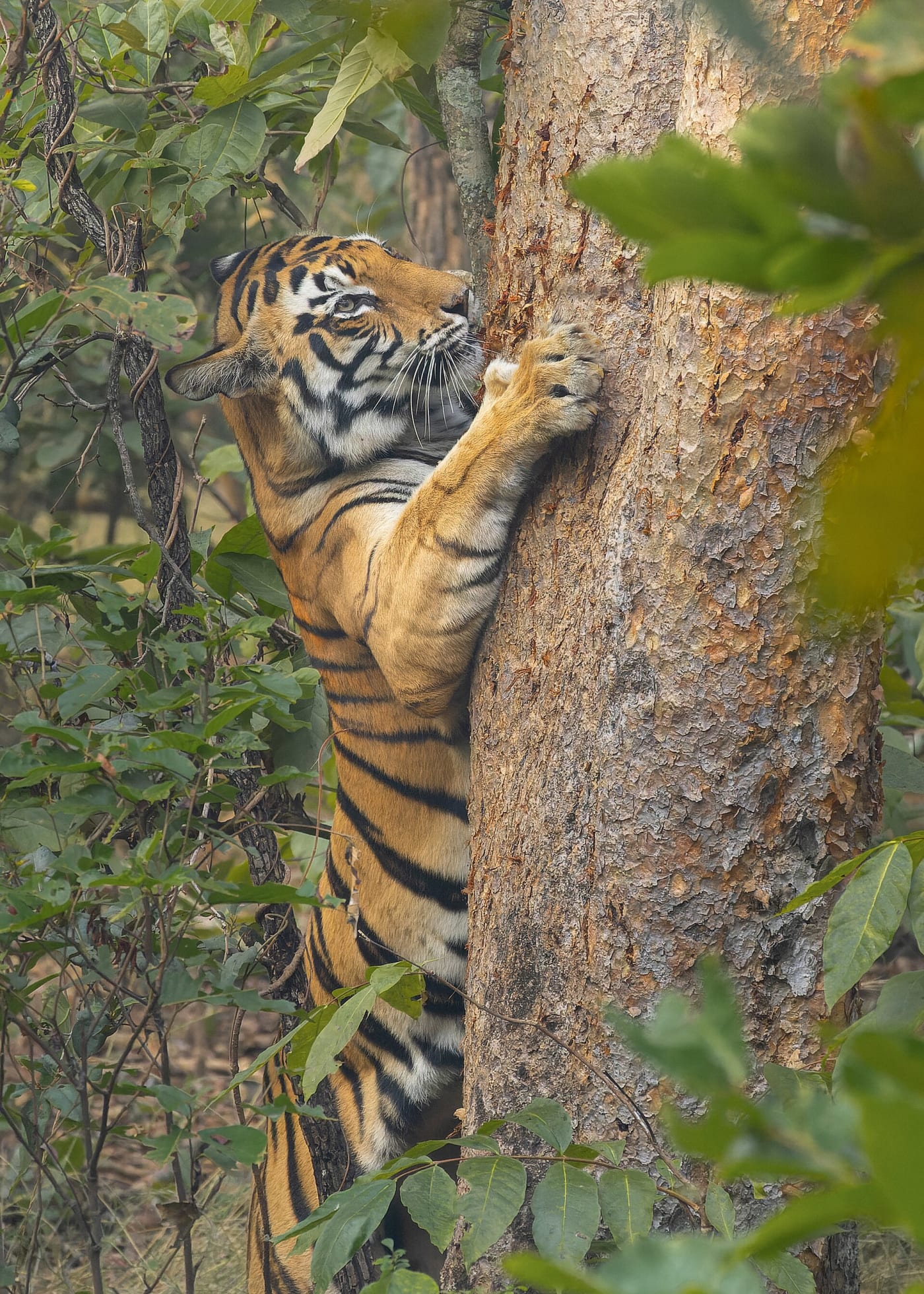
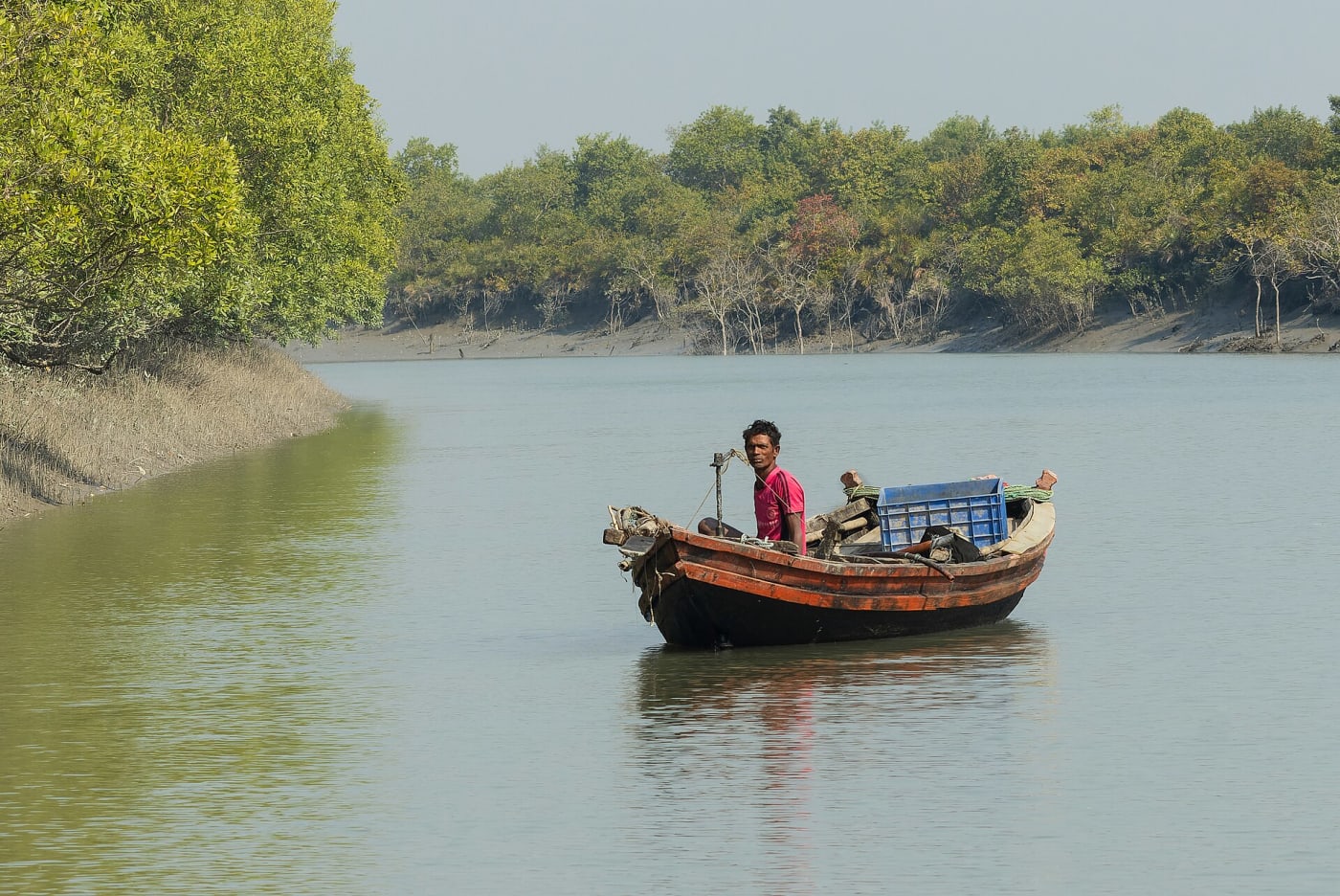
Because tigers need large, healthy habitats, protecting them safeguards entire ecosystems, rivers and prey species — the tiger is an 'umbrella species'. Reserves like Jim Corbett, Bandhavgarh and Kanha also anchor a growing wildlife-tourism economy that supports local livelihoods. India's overall forest and tree cover expanded modestly to about a quarter of its land area.
How it works
India protects wildlife through a network of tiger reserves, national parks and sanctuaries, with the tiger as the flagship: save the tiger's forest and you save everything beneath it. Project Tiger funds core protected zones (kept largely free of human activity) ringed by buffer areas, backed by anti-poaching patrols, a rigorous four-yearly camera-trap tiger census, and compensation schemes to reduce human-wildlife conflict at the edges.
Outlook
India now holds about 3,682 tigers — some 75% of the world's wild tigers — up strongly over the decade, and forest-and-tree cover has edged up to around a quarter of the country. The next task is helping people and wildlife thrive together as tiger numbers keep growing — through wildlife corridors, community-led conservation and compensation schemes at reserve edges. New efforts (cheetah reintroduction, Project Dolphin, Project Lion) extend the model to other species.
By the numbers
2,226 → 3,682 wild tigers (2014→2022). ~70% of the world's wild tigers. 58 tiger reserves. Forest & tree cover ~25% of land. Sources: NTCA, Wildlife Institute of India, FSI.
Data current to: All India Tiger Estimation 2022
Source: NTCA / Wildlife Institute of India via PIB — All India Tiger Estimation, held every four years. PIB: 3,682 tigers in 2022 (range 3,167–3,925), against 2,967 in 2018 and 2,226 in 2014. Only census years are plotted; the years between were never estimated. · link