India's fisheries sector has quietly boomed. Total fish production more than doubled — from about 96 lakh tonnes in 2013-14 to roughly 198 lakh tonnes in 2024-25 — making India the world's second-largest fish producer and the leader in shrimp exports. Most of the growth came from inland aquaculture, which expanded well over 100%, supported by the ₹20,050 crore Pradhan Mantri Matsya Sampada Yojana (2020).
Fisheries & Blue Economy
Fisheries & Blue Economy
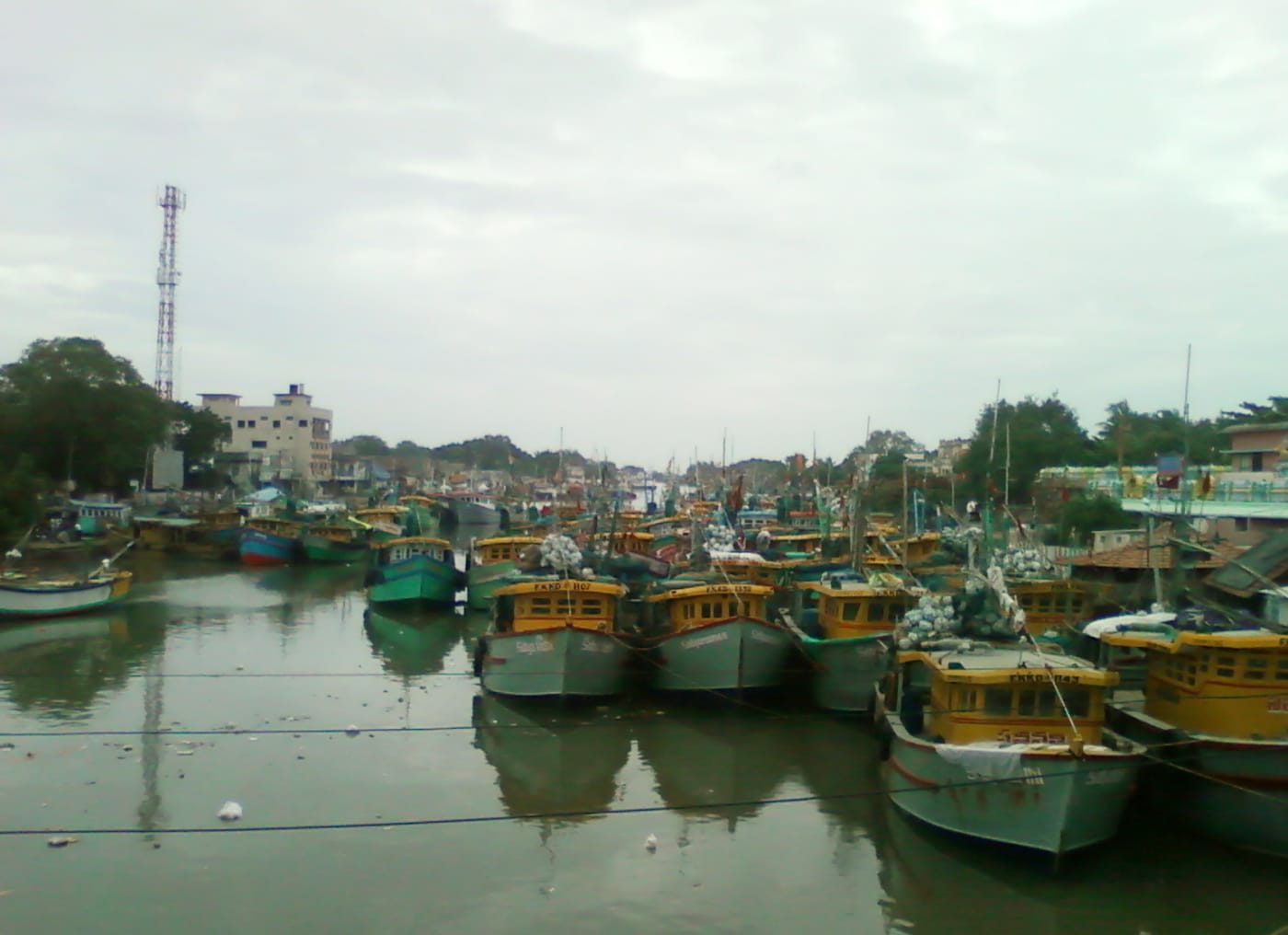
Fisheries are a fast-growing part of India's rural economy and a pillar of the 'blue economy'. Total fish production more than doubled — from about 96 lakh tonnes in 2013-14 to roughly 198 lakh tonnes in 2024-25 — driven mainly by inland aquaculture and backed by the Pradhan Mantri Matsya Sampada Yojana (2020). India is now the world's second-largest fish producer. The counter shows total fish production.
96 → 198 lakh t
Fish production
2nd
Largest producer globally
₹73,890 cr
Seafood exports (2025-26)
Fish production
| Year | Fish production |
|---|---|
| 2014 | 96 lakh t |
| 2015 | 104 lakh t |
| 2016 | 114 lakh t |
| 2017 | 126 lakh t |
| 2018 | 137 lakh t |
| 2019 | 142 lakh t |
| 2020 | 147 lakh t |
| 2021 | 162 lakh t |
| 2022 | 175 lakh t |
| 2023 | 184 lakh t |
| 2024 | 190 lakh t |
| 2025 | 198 lakh t |
2014
0lakh t
Fish production
20142025
Since 2014
Added
+102 lakh t
2014
96 lakh t
2025
198 lakh t
Why it matters Fisheries provide protein, livelihoods for coastal and inland communities, and valuable exports — a growing part of food and income security.
- Fish production: ~96 lakh t (2014) → ~198 lakh t (2025), +106%
- 2nd-largest producer; seafood exports ₹73,890.46 crore (US$ 8.46 bn) in 2025-26; PMMSY
- Source: Department of Fisheries
History
Notable initiatives
PMMSY and the earlier Blue Revolution funded cold storages, ice plants, fishing harbours, hatcheries and fish-transport units nationwide. Newer schemes add aquaculture insurance and formalisation (PM-MKSSY), integrated aquaparks, and rules to sustainably harness the deep-sea Exclusive Economic Zone. Seafood exports were ₹73,890.46 crore (US$ 8.46 billion) in 2025-26, with frozen shrimp the top earner.
How it works
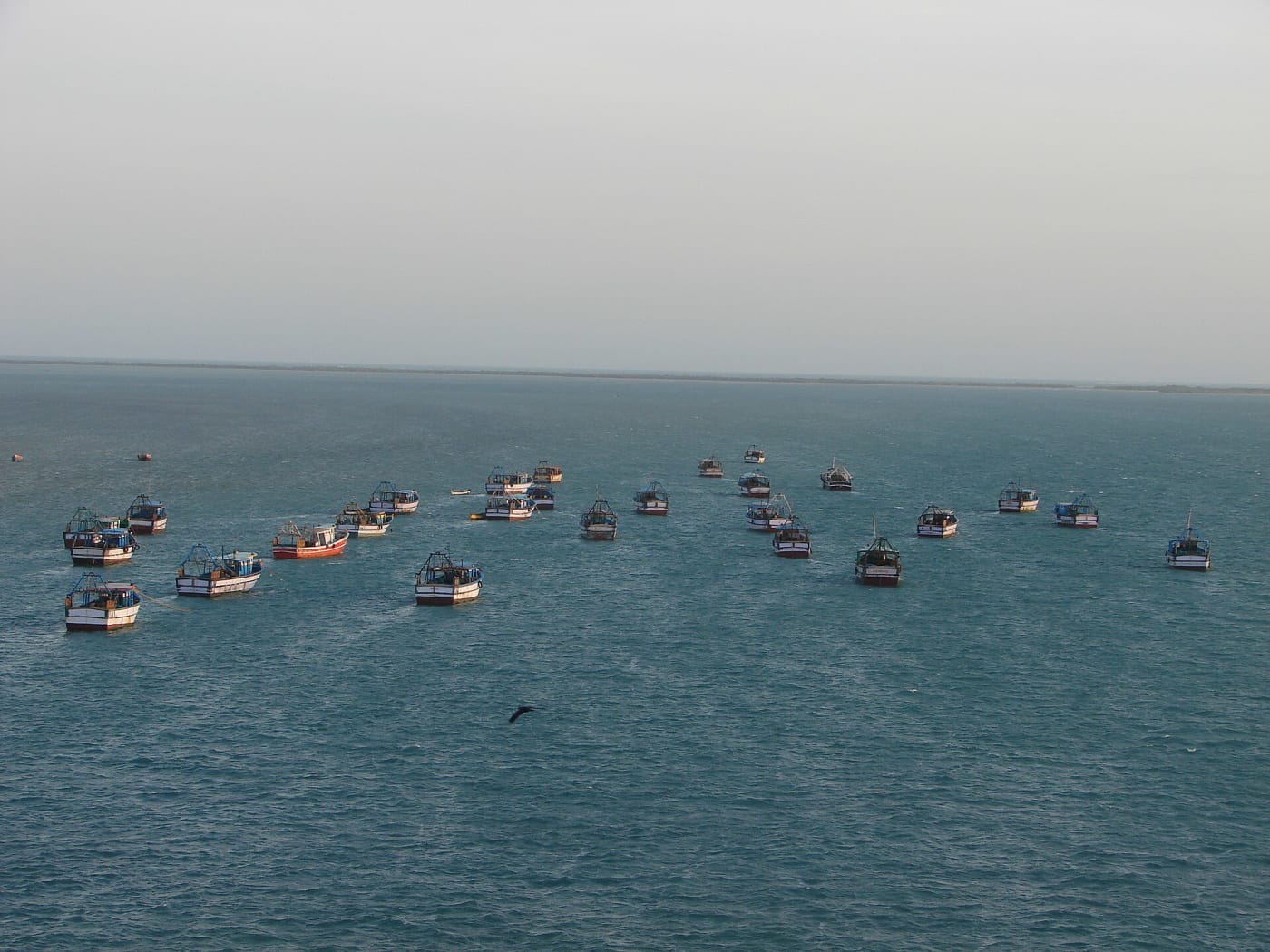
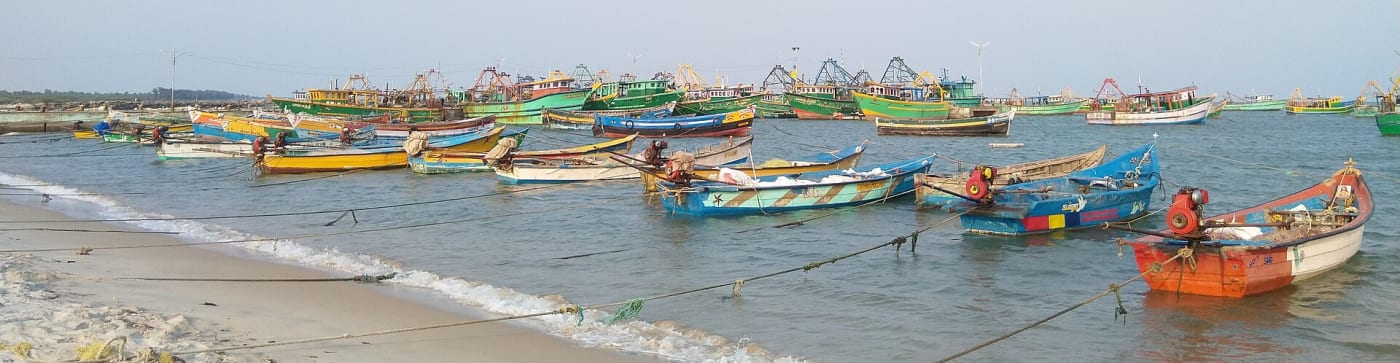
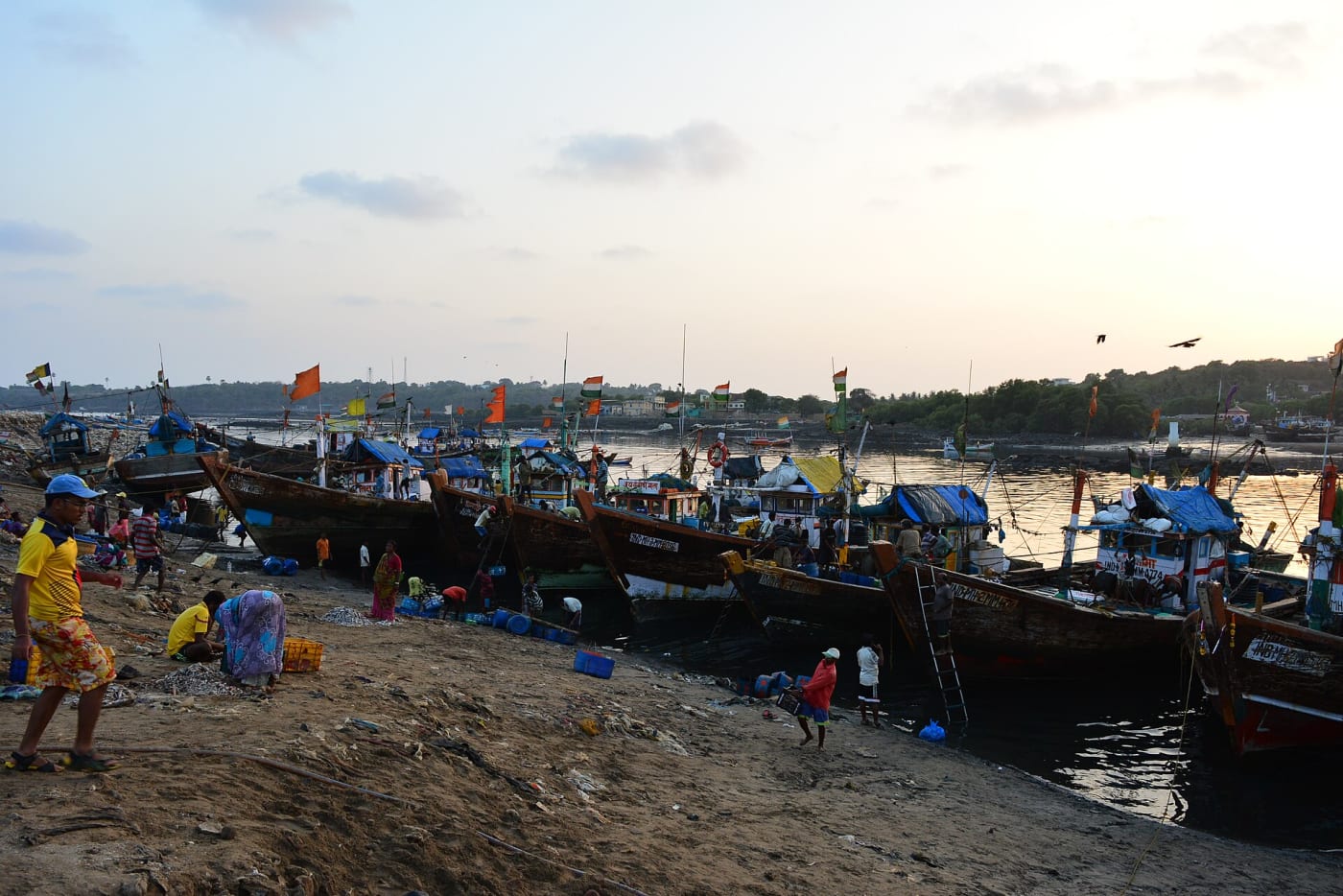
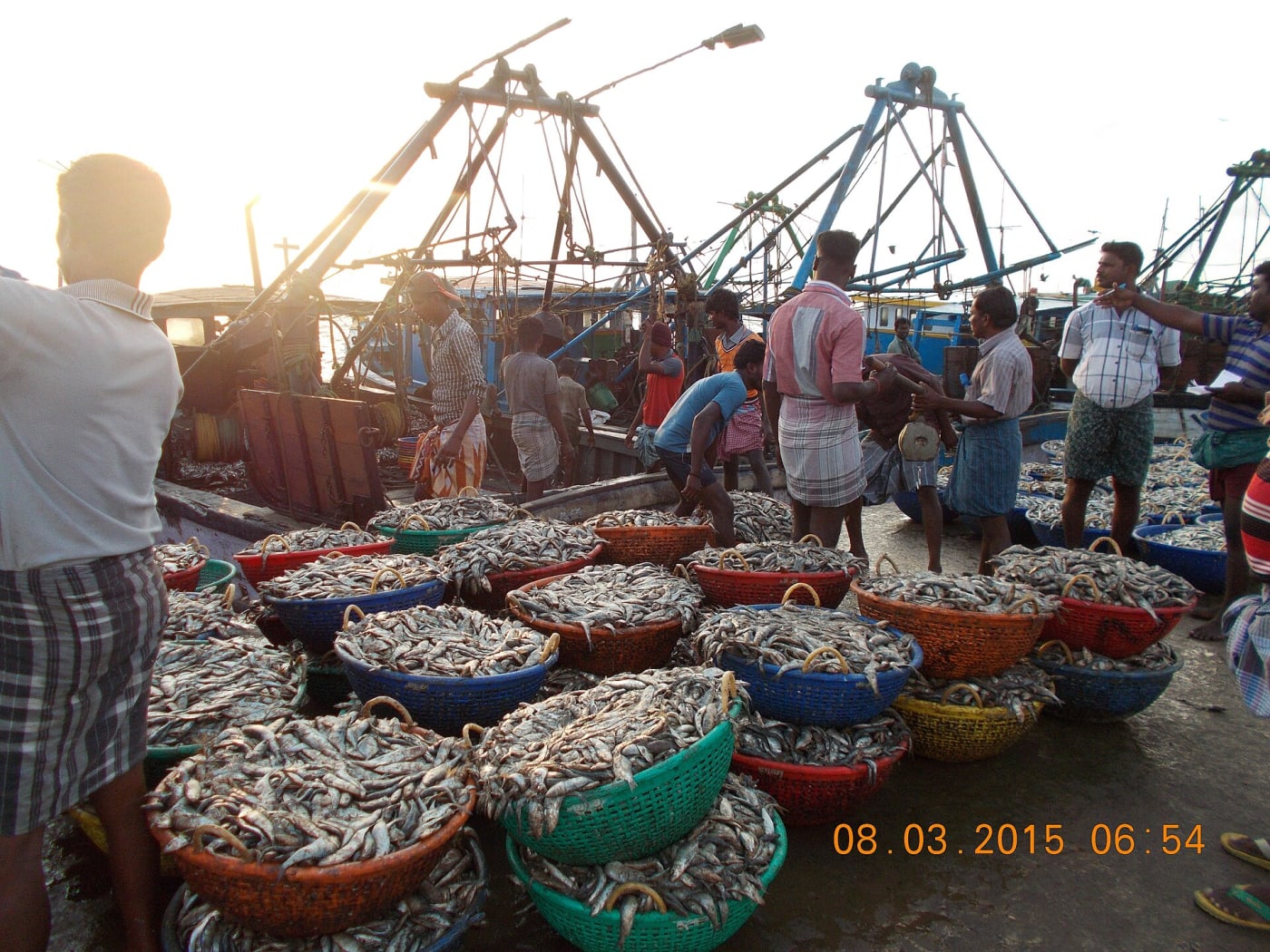
India's fish comes from two sources: marine fishing along its long coastline, and fast-growing inland aquaculture — farming fish and shrimp in ponds and reservoirs, now the bigger contributor. The Pradhan Mantri Matsya Sampada Yojana funds the whole chain: hatcheries, cages, cold storage, fishing harbours and vessels. Aquaculture (especially shrimp) drives a large seafood export business, while millions of small coastal and inland fishers depend on the sector for a living.
Outlook
Fish production has climbed to about 195 lakh tonnes and grown strongly since PMMSY launched, led by inland aquaculture, with seafood exports of ₹73,890.46 crore in 2025-26 — India is the world's second-largest fish producer. The next step is growing sustainably: keeping marine stocks healthy, protecting shrimp exports from disease and tariff swings, modernising fishing harbours, and steadying incomes for the roughly 30 million people the sector supports.
By the numbers
~96 → ~198 lakh tonnes fish production (2014→2025, +106%). 2nd-largest producer; top shrimp exporter. Seafood exports ₹73,890.46 crore (US$ 8.46 bn, 2025-26). PMMSY ₹20,050 crore. Sources: Department of Fisheries, MPEDA.
Data current to: financial year 2024-25
Source: Department of Fisheries via PIB — total fish production (lakh tonnes), FY2013-14 to FY2024-25. PIB: 197.75 lakh tonnes in FY2024-25, up 106% from 95.79 lakh tonnes in FY2013-14. · link