India imports over 85% of its crude oil, so blending home-made ethanol into petrol cuts both the import bill and emissions. Under the Ethanol Blended Petrol programme, the blending rate rose from just 1.53% in 2014 to about 19% in 2024-25 — hitting the E10 and E12 milestones early and reaching the 20% (E20) goal in 2025, five years ahead of the original 2030 target.
Ethanol Blending
Ethanol Blending
To cut oil imports and give farmers a new market, India has been blending ethanol — made from sugarcane and grains — into petrol. The blending rate rose from just 1.5% in 2014 to about 19% in 2024-25, meeting the E20 goal in 2025, five years ahead of the original 2030 schedule, saving over ₹1 lakh crore in foreign exchange and paying farmers tens of thousands of crores. The counter shows the ethanol blending rate.
19.93%
Blending reached (July 2025)
₹1 lakh cr+
Forex saved
E20
Achieved 2025, five years early
Ethanol in petrol
| Year | Ethanol blending |
|---|---|
| 2014 | 1.5 % |
| 2015 | 2.3 % |
| 2016 | 3.3 % |
| 2017 | 4.2 % |
| 2018 | 4.4 % |
| 2019 | 5.0 % |
| 2020 | 8.2 % |
| 2021 | 10.0 % |
| 2022 | 12.1 % |
| 2023 | 13.0 % |
| 2024 | 15.0 % |
| 2025 | 19.0 % |
| by 2025 | 20.0 % — Target · met |
2014
0.0%
Ethanol blending
20142025
Since 2014
Added
+17.5 %
2014
1.5 %
2025
19.0 %
Target · met
20.0 %
by 2025
E20 blending target — met early
Why it matters Ethanol blending cuts crude-oil imports and emissions while creating a stable market for farm surpluses — though it competes with food and water.
- Ethanol blending: 1.5% (2014) → ~19% (2024-25); E20 achieved in 2025
- Saved ₹1 lakh crore+ forex; farmers paid ₹87,000 crore+
- Source: Ministry of Petroleum & Natural Gas
History
Notable impact
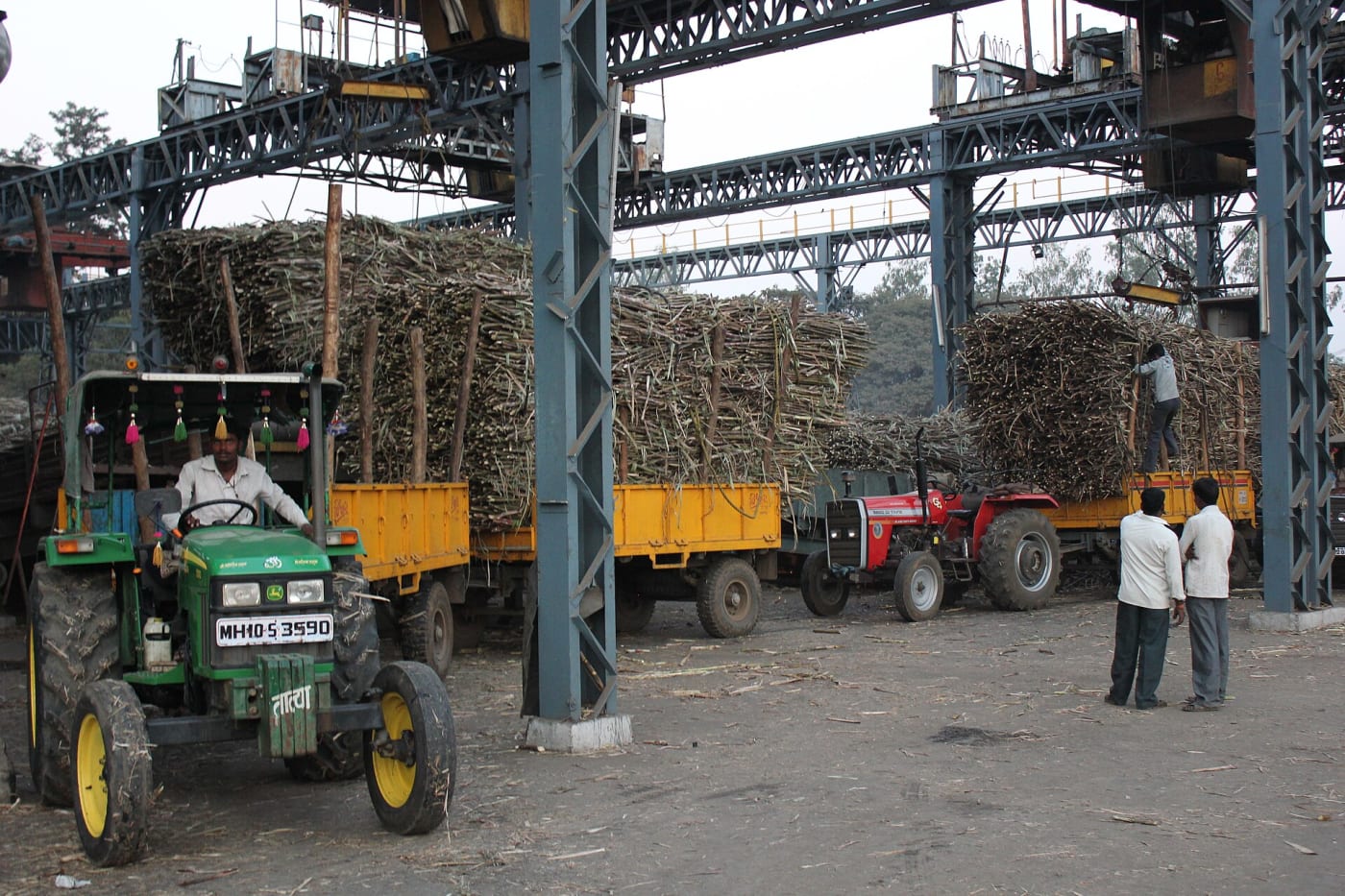
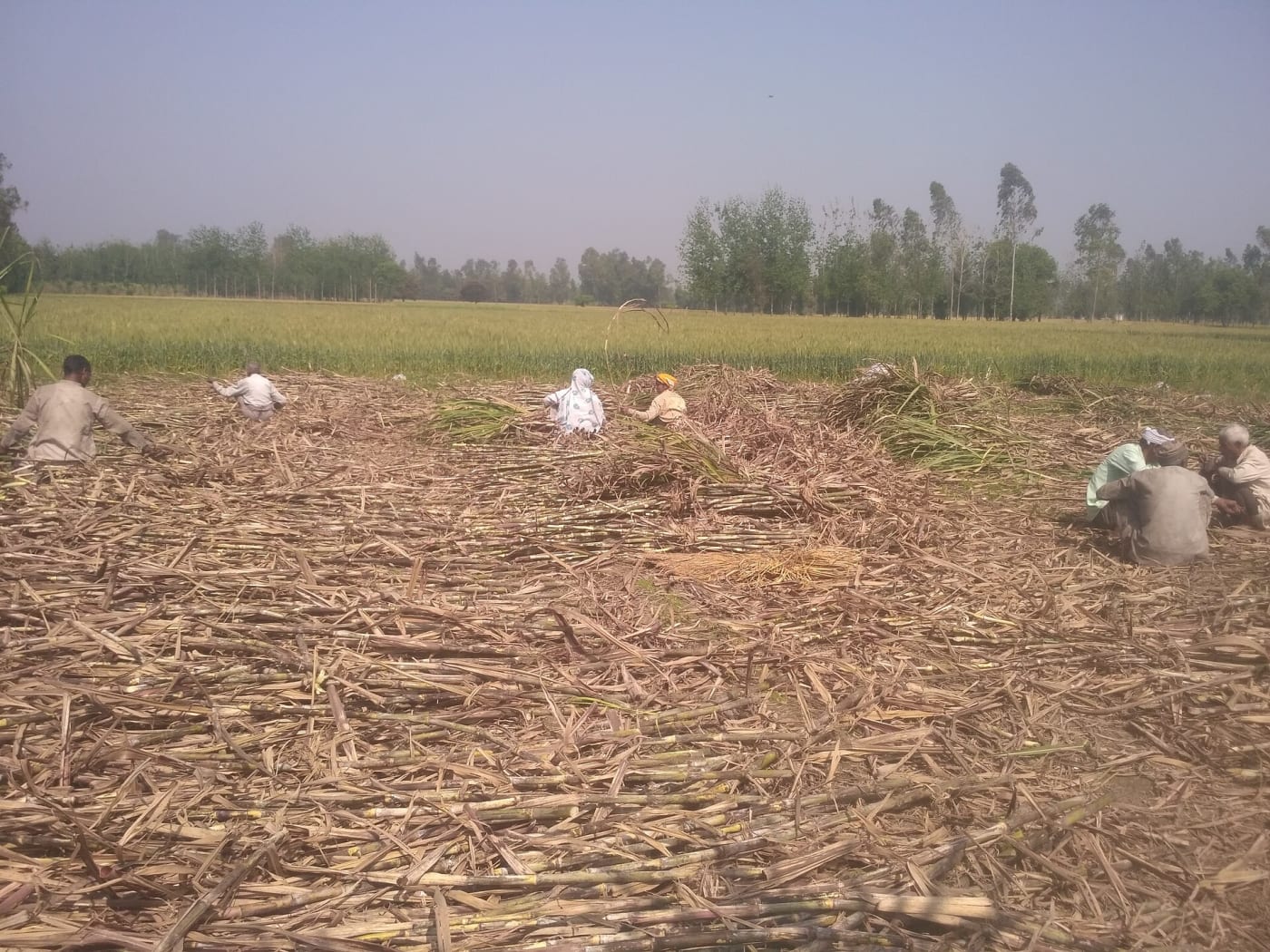
The programme has saved over ₹1 lakh crore in foreign exchange, cut CO2 emissions by tens of millions of tonnes, and paid sugarcane and grain farmers over ₹87,000 crore — creating a valuable new market for farm surpluses. It relies on India's position as a top sugarcane producer and on surplus rice and maize.
How it works
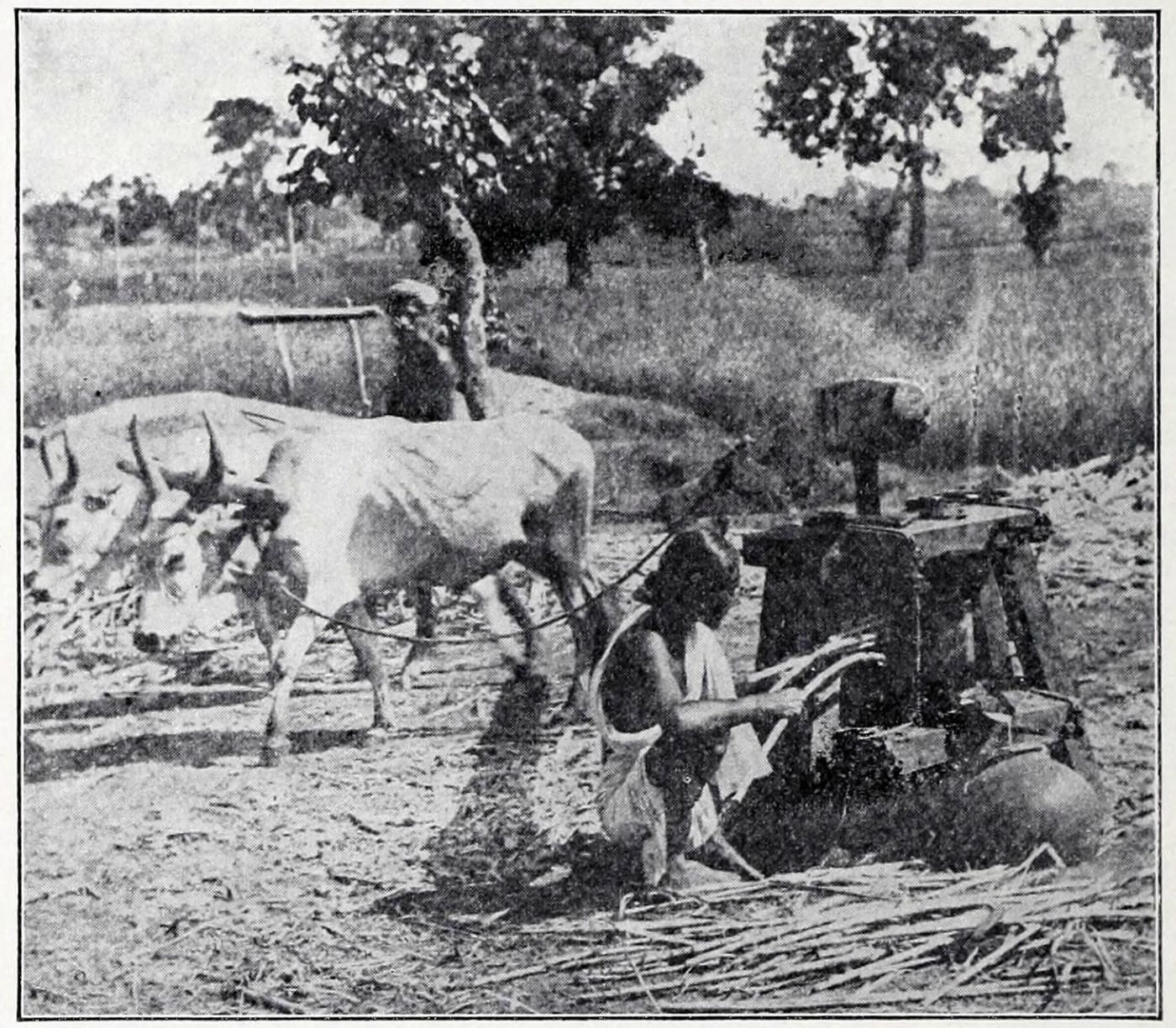
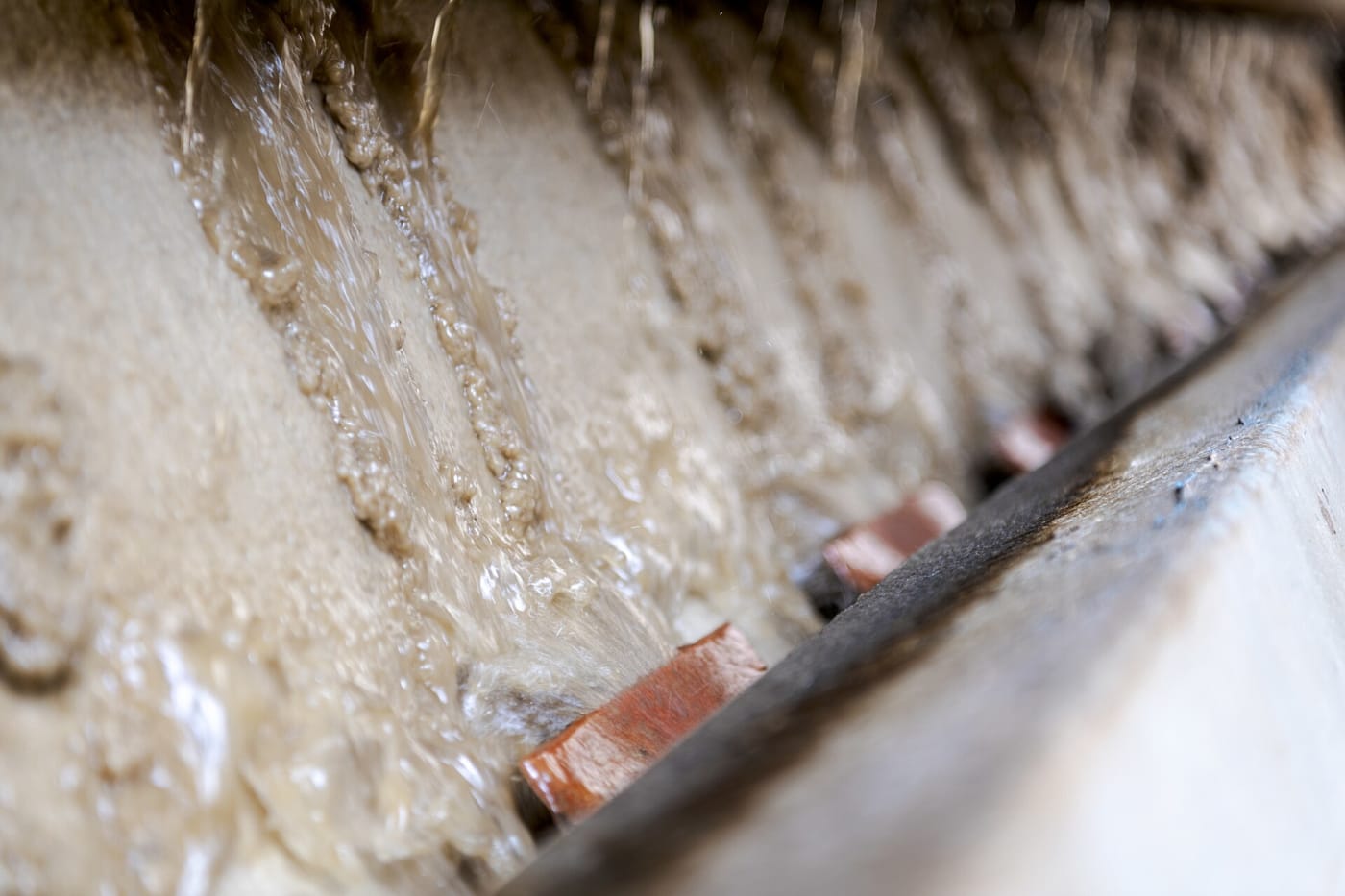
Ethanol — alcohol made from sugarcane or surplus grains — is blended into petrol so every litre at the pump is part home-grown fuel. It cuts crude imports, gives sugar mills and farmers an extra market, and burns cleaner. Oil companies buy ethanol from distilleries at set prices and mix it in; the same idea extends to compressed biogas from farm and city waste, and biodiesel — turning agricultural surplus and waste into energy.
Outlook
India hit its 20% ethanol-blending (E20) target in 2025, years ahead of the original 2030 goal — a shift that has saved well over ₹1 lakh crore in foreign exchange and cut oil imports. The central balance ahead is energy versus food and water: pushing blending higher (and rolling out flex-fuel vehicles) without diverting too much land, grain and water — so more biofuel comes from waste and non-food crops rather than the foodgrain plate.
By the numbers
1.5% → ~19% ethanol blending (2014→2024-25); E20 achieved in 2025. ₹1 lakh crore+ forex saved; ₹87,000 crore+ to farmers. Sources: MoP&NG, PIB.
Data current to: Ethanol supply year 2024-25 (to October 2025)
Source: MoP&NG — ethanol blending rate in petrol (%), 2014–2025. · link