Electric vehicles were a rounding error in India's auto market in 2014. Government support changed that: FAME I (2015) and FAME II (2019–2024, ₹11,500 crore) subsidised EV purchases and charging, and PM E-DRIVE followed in 2024. Annual EV sales climbed from a few thousand to 23 lakh in 2025, with roughly 50 lakh EVs now on the road.
Electric Vehicles
Electric Vehicles
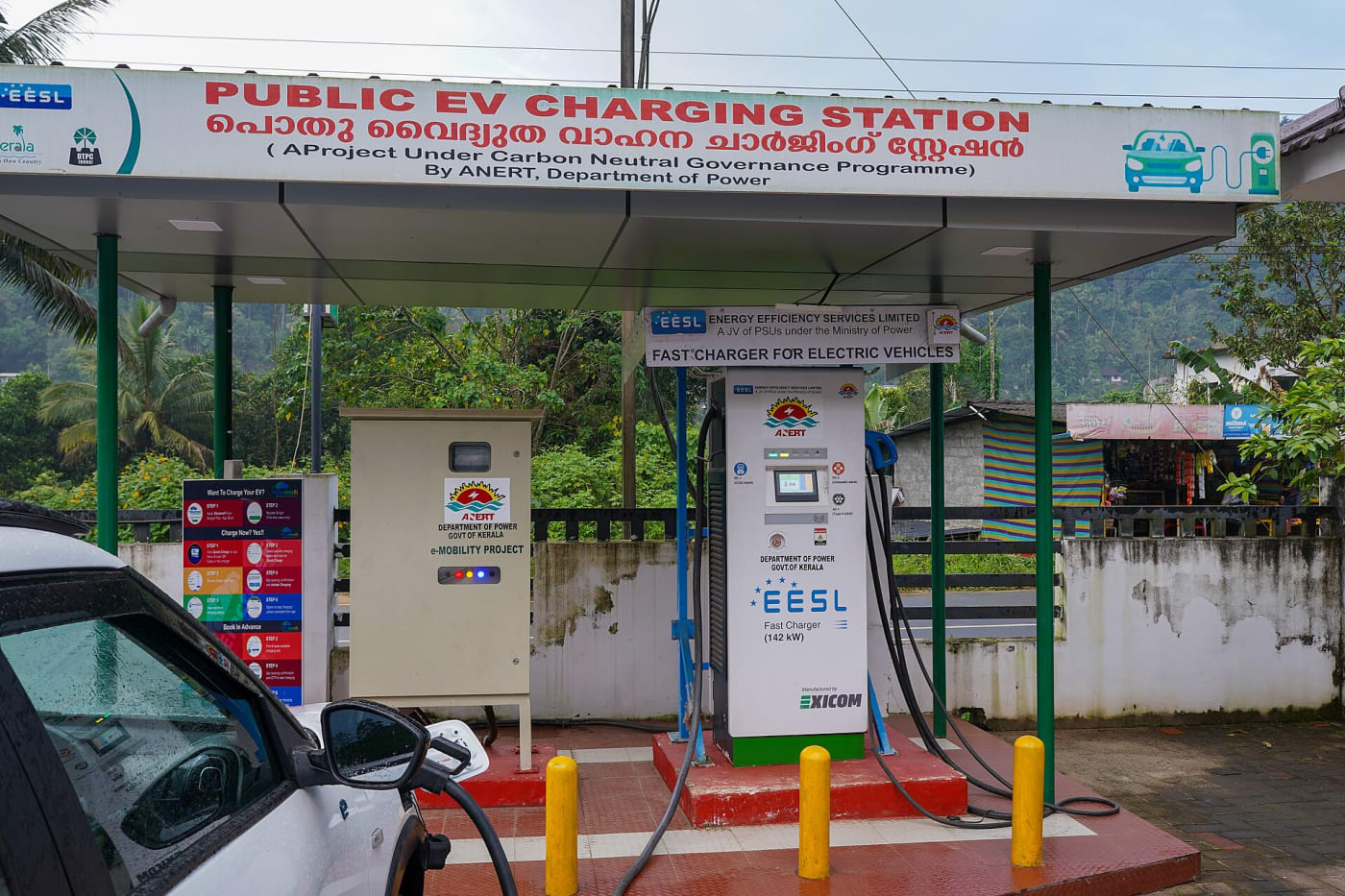
Electric vehicles barely existed in India in 2014. A decade later, EV sales reached 23 lakh in 2025, driven by two- and three-wheelers and supported by the FAME schemes and, from 2024, PM E-DRIVE. Roughly 50 lakh EVs are now on the road and EV penetration is nearing double digits. The counter shows annual EV sales.
0.2 → 23 lakh
Annual EV sales
~50 lakh
EVs on the road
FAME I/II
+ PM E-DRIVE (2024)
EV sales per year
| Year | Annual EV sales |
|---|---|
| 2014 | 0.2 lakh |
| 2015 | 0.3 lakh |
| 2016 | 0.5 lakh |
| 2017 | 0.9 lakh |
| 2018 | 1.3 lakh |
| 2019 | 1.7 lakh |
| 2020 | 1.2 lakh |
| 2021 | 3.3 lakh |
| 2022 | 10.2 lakh |
| 2023 | 15.3 lakh |
| 2024 | 19.5 lakh |
| 2025 | 23.0 lakh |
2014
0.0lakh
Annual EV sales
20142025
Since 2014
Added
+22.8 lakh
2014
0.2 lakh
2025
23.0 lakh
Why it matters Electric vehicles cut oil imports and urban air pollution, and are central to India's clean-transport and net-zero goals.
- Annual EV sales: ~0.2 lakh (2014) → 23 lakh (2025)
- ~50 lakh EVs on the road; 2W & 3W lead; FAME / PM E-DRIVE
- Source: MoRTH / Vahan
History
Notable trends
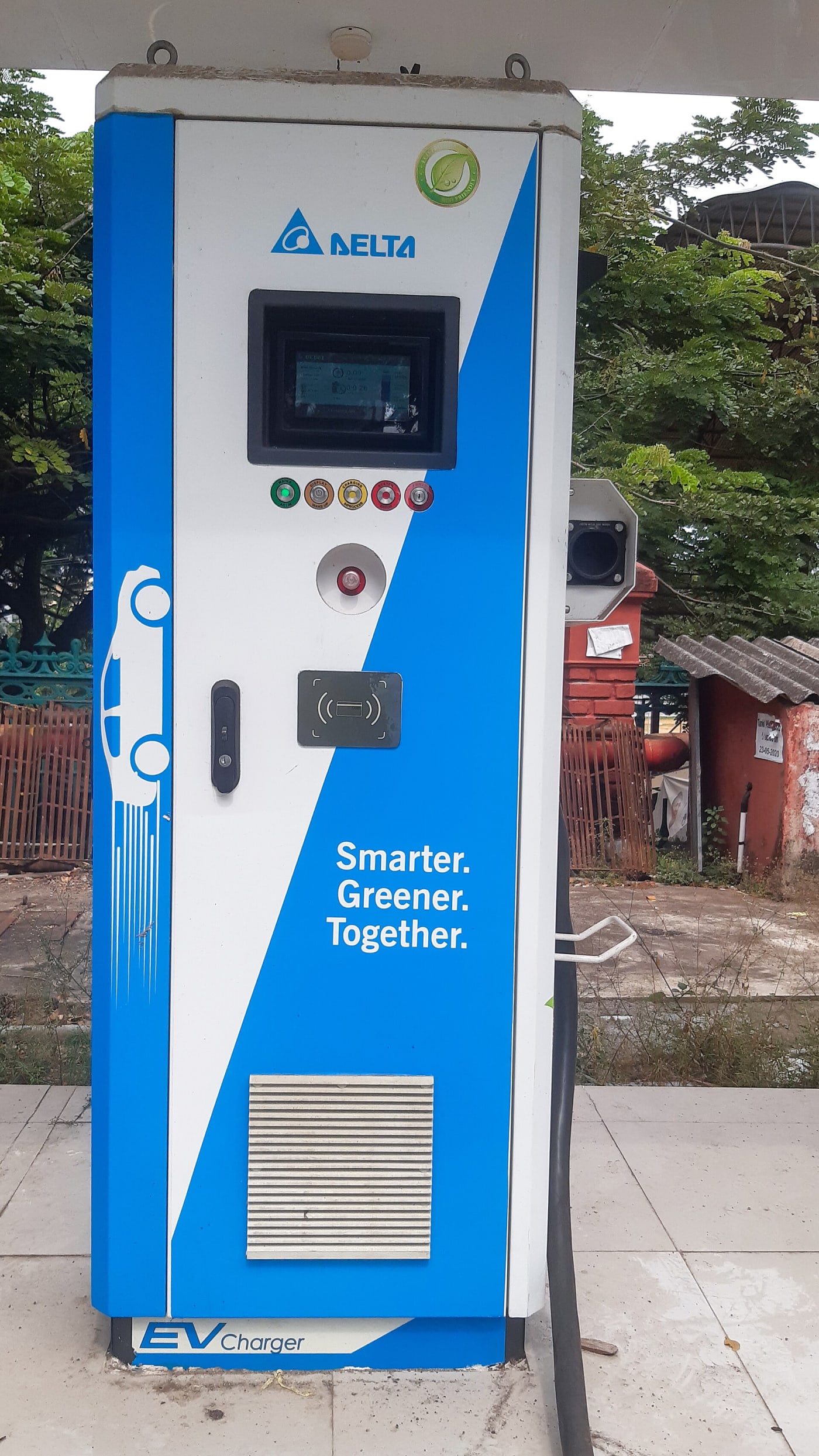
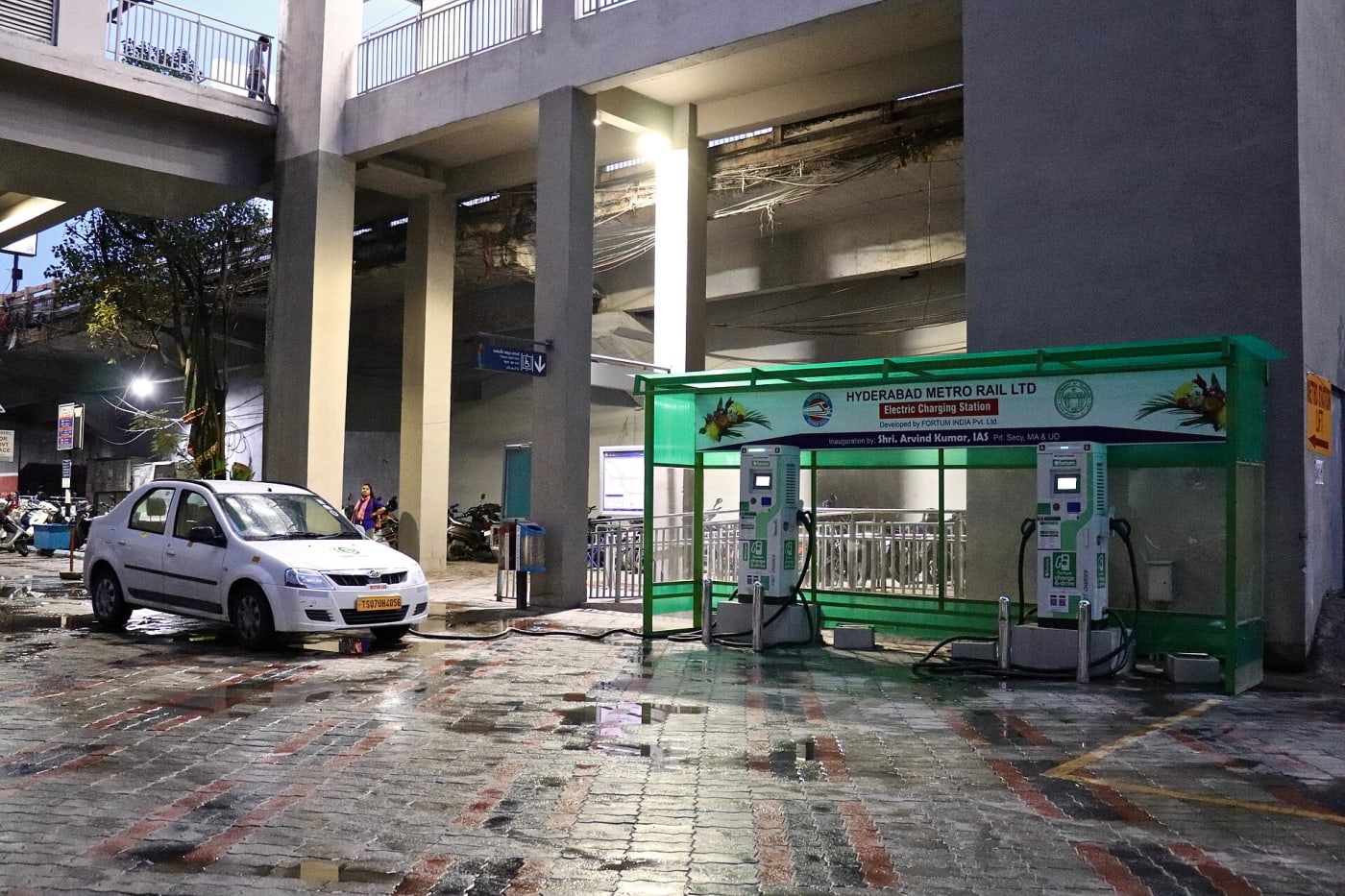
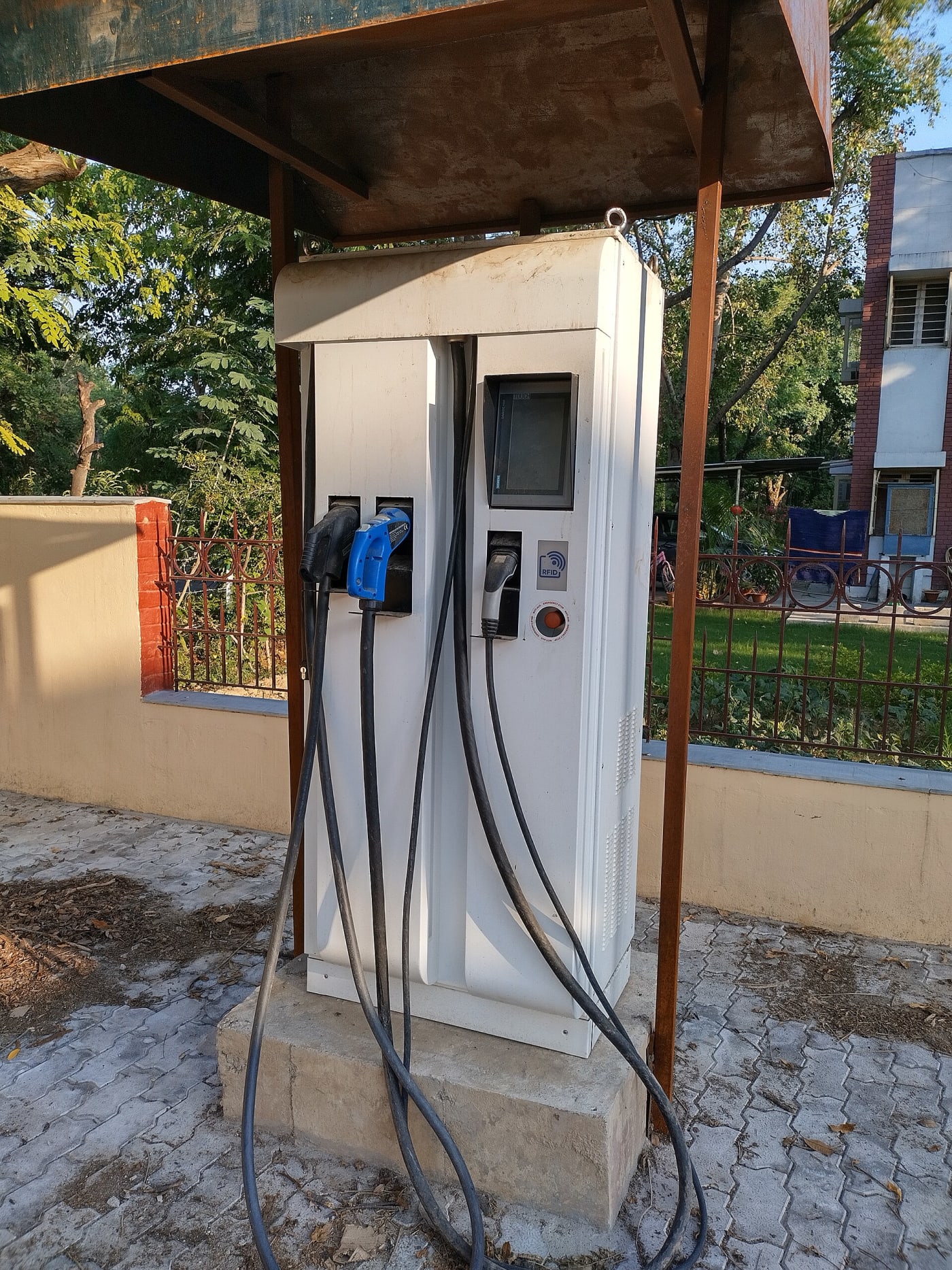
Growth is led by two- and three-wheelers, which suit Indian cities and short trips, with electric buses expanding public transport in many cities. Homegrown makers like Ola Electric, TVS, Ather and Tata Motors scaled up, charging networks widened, and states added their own EV incentives. EV penetration is nearing double digits in new sales.
How it works
India's EV push is led not by cars but by two- and three-wheelers — the scooters and autos most Indians actually use. Government schemes (FAME, and now PM E-DRIVE) offer purchase subsidies that shrink the upfront price gap with petrol, fund charging stations, and back electric buses. A separate incentive for making batteries and cells at home aims to build the supply chain, since imported batteries are the costliest part of an EV.
Outlook
EV sales reached 23 lakh in 2025 — from almost nothing a decade ago — with electric now around 7-8% of new vehicles, led by two- and three-wheelers where India is already among the world's largest markets. The target is 30% EV penetration by 2030, supported by FAME, the PM E-DRIVE scheme, PLI for advanced batteries, and a charging network expanding along the national highway grid.
By the numbers
~0.2 → 23 lakh annual EV sales (2014→2025). ~50 lakh EVs on the road. 2W & 3W lead. FAME I/II, PM E-DRIVE. Sources: MoRTH, Vahan, SMEV.
Data current to: calendar year 2025
Source: MoRTH / Vahan via PIB — electric vehicles sold per calendar year (lakh), 2014–2025. PIB: from about 50,000 EVs sold in 2016 to 2.3 million in 2025, led by two-wheelers (12.8 lakh) and three-wheelers (8 lakh). · link