India's villages were once dotted with tanks, ponds and step-wells that stored the monsoon for the rest of the year, but many silted up or were built over, and villages came to lean on borewells alone. From 2019 a sustained campaign brought water conservation back: the Jal Shakti Abhiyan covered 1,592 blocks in 256 water-stressed districts, and Atal Bhujal Yojana put groundwater management in the hands of communities.
Amrit Sarovar · Water Bodies
Amrit Sarovar · Water Bodies
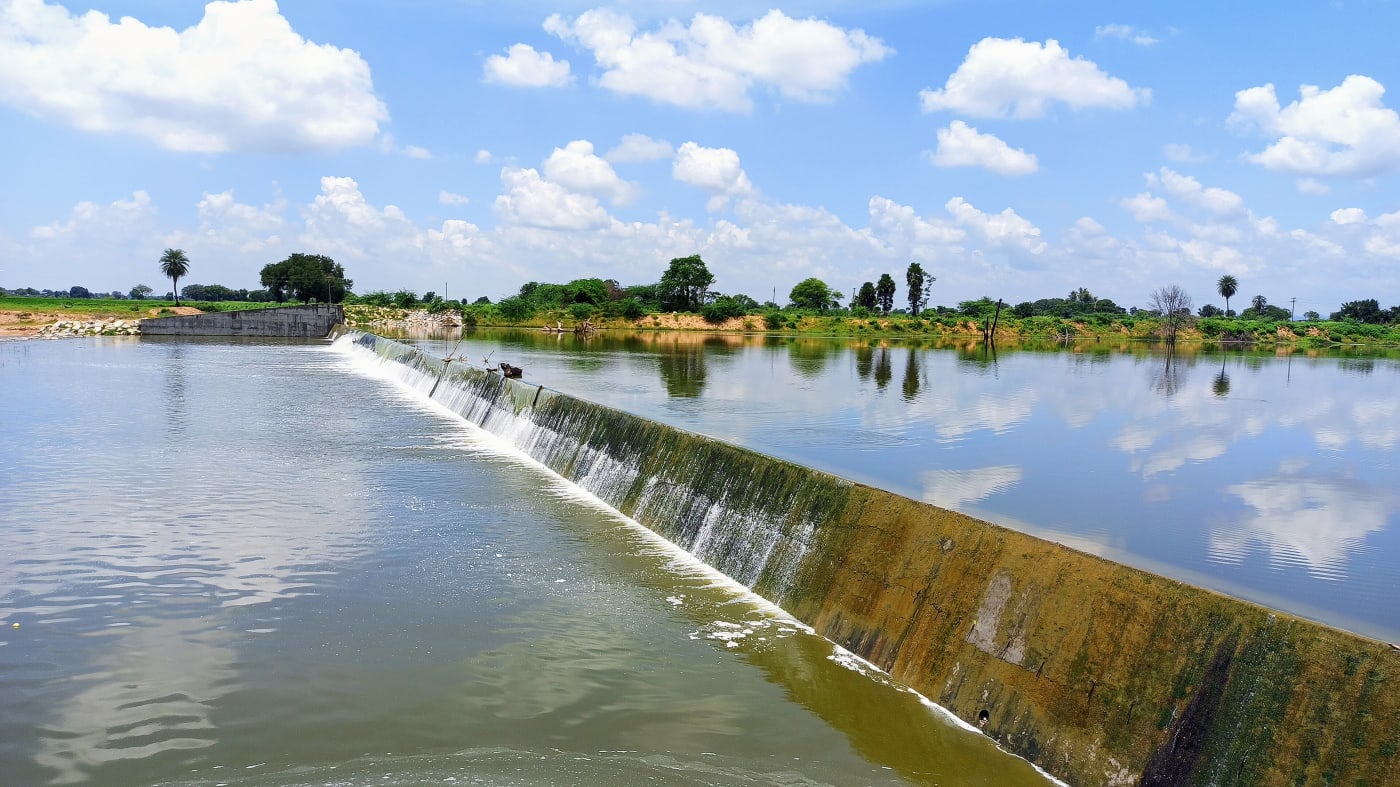
Mission Amrit Sarovar set out in April 2022 to build or revive 75 ponds and lakes in every district of India, 50,000 in all, by August 2023. The target was met ahead of schedule, and the mission went on to develop 68,827 Amrit Sarovars, 138 percent of the goal. It is part of a wider water-conservation effort: the Catch the Rain campaign, Atal Bhujal Yojana for groundwater, and a people's movement that has built more than 1.58 crore recharge structures. The timeline traces the milestones.
138%
Of the 50,000-sarovar target
1.58 cr+
Groundwater recharge structures (Sept 2026)
24.24 lakh
Water bodies in the first national census
Amrit Sarovars developed (target 50,000)
2019
Jal Shakti Abhiyan and Atal Bhujal Yojana
The first Jal Shakti Abhiyan runs in 1,592 blocks of 256 water-stressed districts, and on 25 December the Prime Minister launches Atal Bhujal Yojana for community-led groundwater management.
2021
Catch the Rain
2022
Mission Amrit Sarovar begins
2023
Target met early, and the first water-body census
2024
Jal Sanchay Jan Bhagidari
2025
68,827 Amrit Sarovars
2026
1.58 crore recharge structures
2019
1milestones
20192026
Latest
Jal Shakti Abhiyan and Atal Bhujal Yojana
The first Jal Shakti Abhiyan runs in 1,592 blocks of 256 water-stressed districts, and on 25 December the Prime Minister launches Atal Bhujal Yojana for community-led groundwater management.
Why it matters Ponds and lakes store monsoon rain, recharge wells and groundwater, and water crops and livestock through the dry months, and many now support fisheries too. Reviving them turns rainfall into water security that lasts the year.
- 68,827 Amrit Sarovars developed against a target of 50,000 (138%).
- The 50,000 target was met in May 2023, ahead of the 15 August 2023 deadline.
- Each Amrit Sarovar is designed to hold about 10,000 cubic metres of water (except in hilly states).
- An IIT Delhi satellite study found a 16.3% increase in water-body surface area and a 42% fall in dry water bodies.
- Groundwater recharge from tanks, ponds and conservation structures rose from 13.98 BCM in 2017 to 25.34 BCM in 2024.
- India's first Census of Water Bodies counted 24,24,540 water bodies.
History
Notable milestone
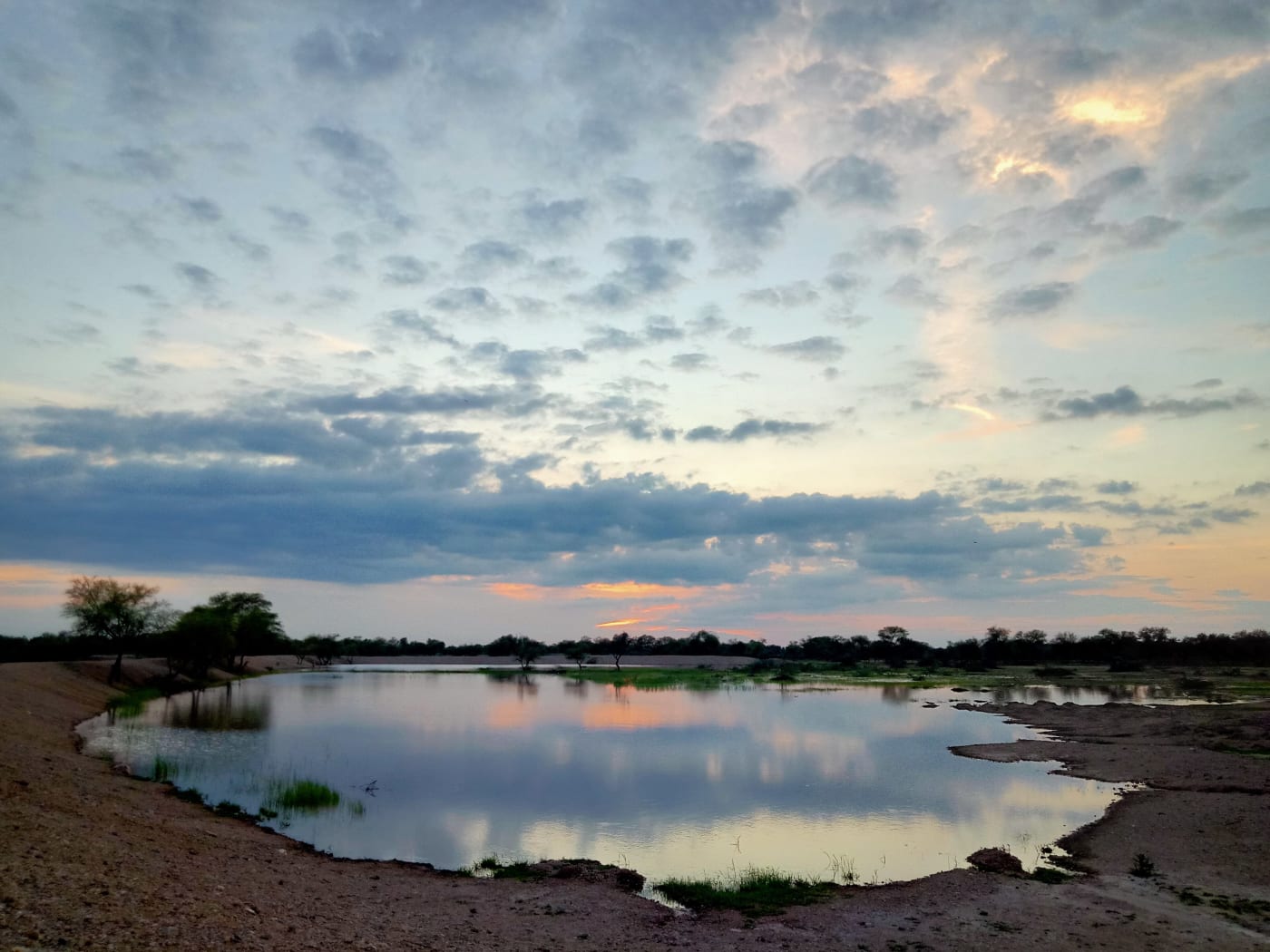
Launched on 24 April 2022, National Panchayati Raj Day, Mission Amrit Sarovar aimed for 75 sarovars in every district, 50,000 in all, by 15 August 2023. The target was met in May 2023, ahead of schedule, and the first phase went on to 68,827 Amrit Sarovars, including 1,222 linked to fisheries.
How it works
Districts identify the sites, and ponds are dug or restored to hold about 10,000 cubic metres of water each, largely through MGNREGS works, with more than 46,000 sarovars completed that way. The water serves irrigation, livestock, fisheries and groundwater recharge. An IIT Delhi satellite study found water-body surface area up 16.3% and dry water bodies down 42%.
Outlook
A second phase has already identified more than 16,000 new sites, and the 2026-27 Budget links Amrit Sarovars and reservoirs to fisheries. The wider people's movement, Jal Sanchay Jan Bhagidari: Catch the Rain, launched afresh on 1 June 2026, has taken artificial recharge structures past 1.58 crore, while India's total annual groundwater recharge rose from 432 to 448.52 billion cubic metres between 2017 and 2025.
By the numbers
68,827 Amrit Sarovars against a 50,000 target (138%). ~10,000 m³ design capacity each. 13.98 → 25.34 BCM groundwater recharge from ponds, tanks and conservation structures (2017 → 2024). 24,24,540 water bodies in India's first water-body census. 1.58 crore+ groundwater recharge structures (September 2026). Sources: Ministry of Rural Development, Ministry of Jal Shakti, PIB.
Data current to: May 2026
Source: Ministry of Rural Development / Ministry of Jal Shakti via PIB — Mission Amrit Sarovar and water-conservation milestones, 2019–2026. · link