India's data revolution reshaped daily life over the past decade. Internet subscribers grew from about 25 crore in 2014 to about 109 crore by March 2026, and as competition drove data prices down to among the world's lowest, average mobile data use per person jumped from under 0.3 GB a month to over 20 GB. Cheap data made India the testing ground for mass digital services.
Telecom & 5G
Telecom & 5G
India's internet base exploded over the past decade, from about 25 crore subscribers in 2014 to about 109 crore by March 2026, as data became among the cheapest in the world. Mobile data use per person rose from under a third of a gigabyte a month to over 20 GB. 5G, launched in October 2022, reached nearly every district within about two years — one of the world's fastest rollouts. The counter shows internet subscribers.
25 → 109 cr
Internet subscribers (March 2026)
~21 GB
Data/user per month
~2 yrs
5G to most districts
Internet subscribers (2014 → March 2026)
| Year | Internet subscribers |
|---|---|
| 2014 | 25 crore |
| 2015 | 30 crore |
| 2016 | 39 crore |
| 2017 | 49 crore |
| 2018 | 56 crore |
| 2019 | 66 crore |
| 2020 | 75 crore |
| 2021 | 79 crore |
| 2022 | 84 crore |
| 2023 | 90 crore |
| 2024 | 95 crore |
| 2025 | 97 crore |
| 2026 | 109 crore |
2014
0crore
Internet subscribers
20142026
Since 2014
Added
+84 crore
2014
25 crore
2026
109 crore
Why it matters Cheap, fast internet underpins everything from UPI payments to education, commerce and government services — it is the backbone of the digital economy.
- Internet subscribers: ~25 crore (2014) → ~109 crore (March 2026)
- Data use: ~0.3 → ~21 GB/month per user; 5G in ~2 years
- Source: TRAI
History
Notable projects
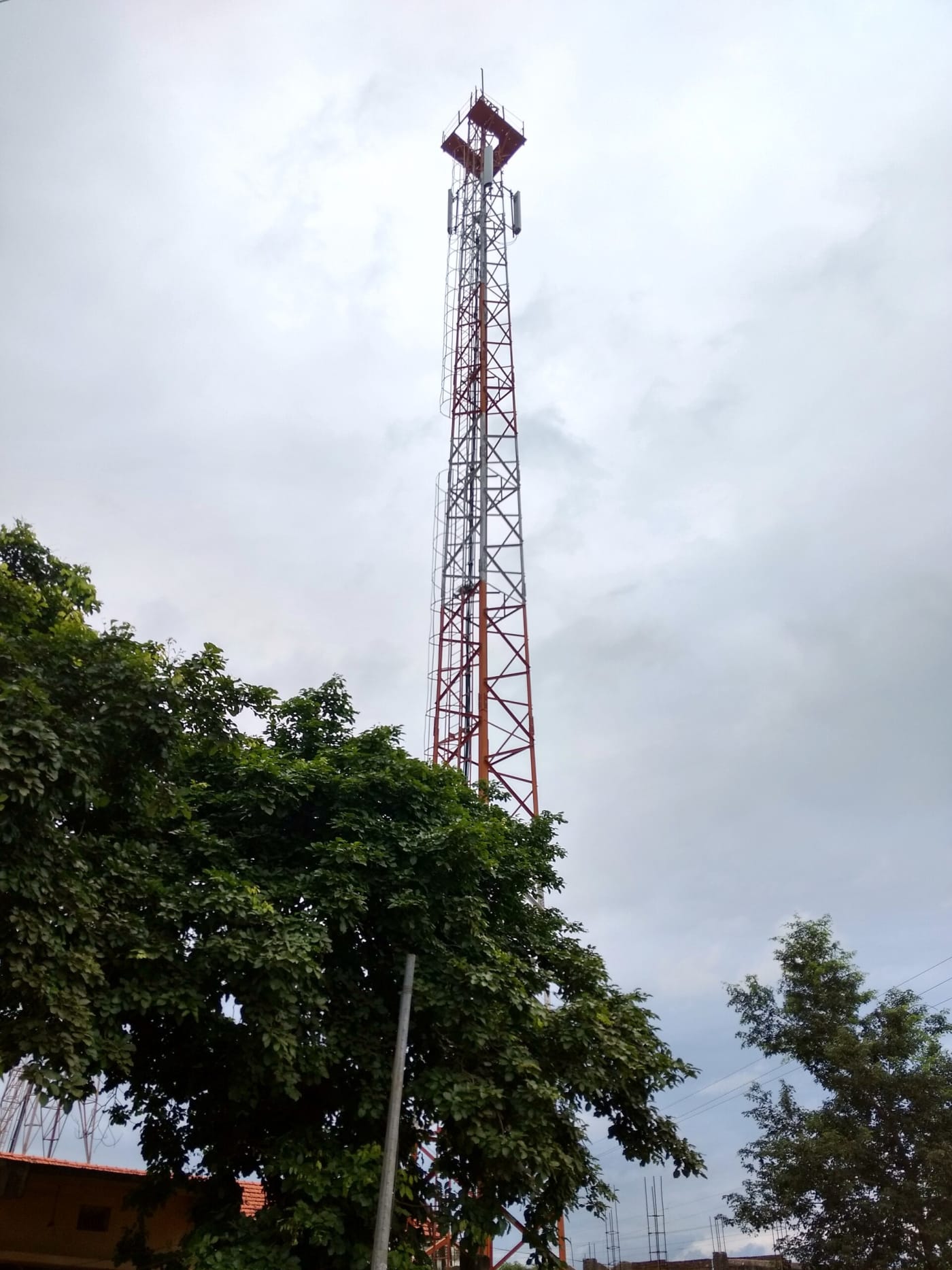
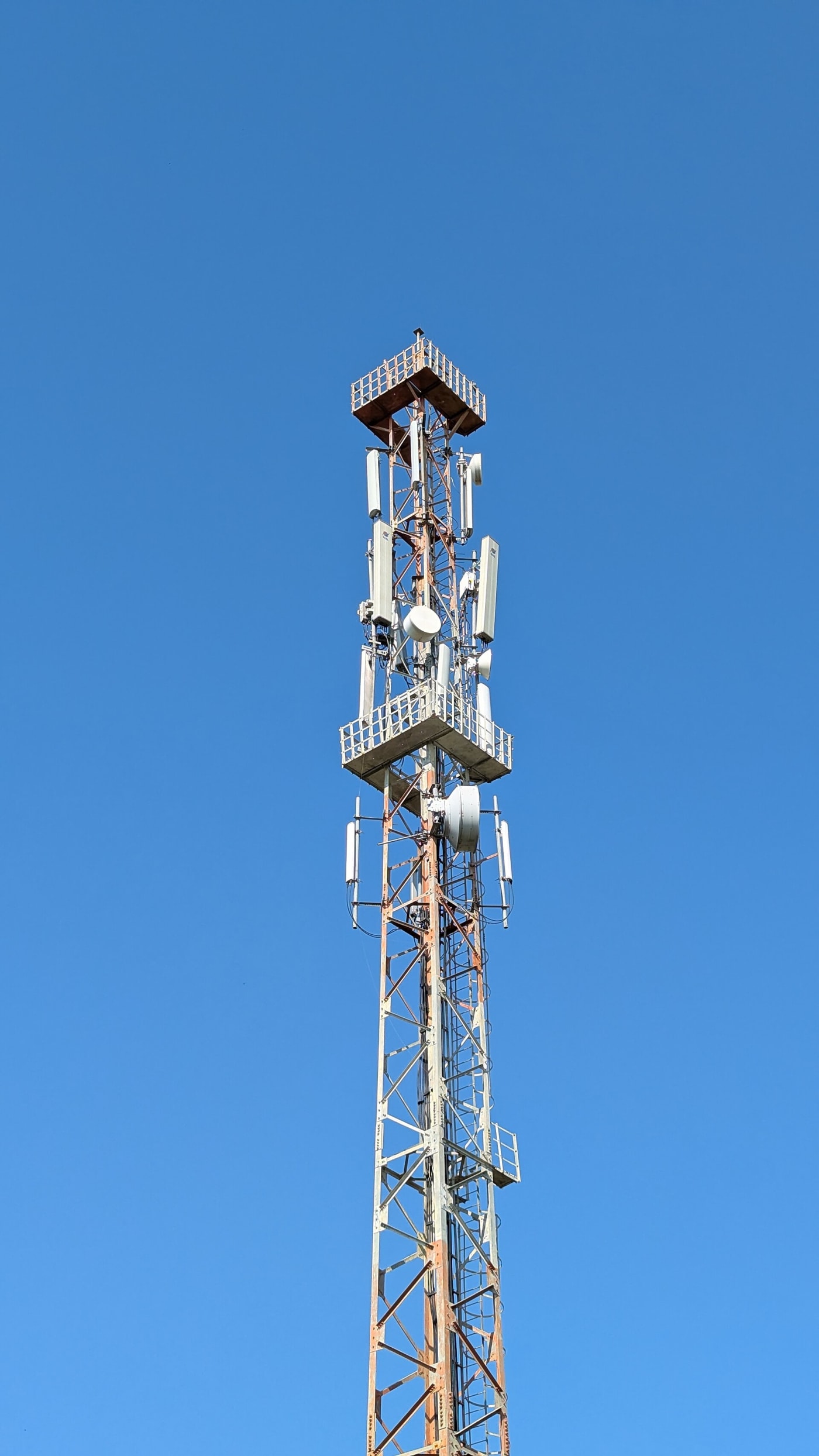
5G, launched in October 2022, was rolled out to nearly every district within about two years — one of the fastest deployments anywhere, with 5.18 lakh 5G base stations installed by 31 December 2025. BharatNet has been laying optical fibre to connect gram panchayats, and satellite and public Wi-Fi programmes aim to reach the last unconnected villages. Domestic telecom-gear manufacturing also grew under PLI.
How it works
India's telecom runs on a handful of large private operators — Jio, Airtel, Vodafone Idea — plus state-owned BSNL, competing on some of the world's cheapest data. 5G was rolled out at record speed after a 2022 spectrum auction, with operators building lakhs of base stations. Underneath, the government lays the BharatNet fibre backbone to connect village councils, and the new Telecommunications Act 2023 replaced 140-year-old colonial-era laws.
Outlook
The scale is staggering: India crossed 400 million 5G users in about three years — the world's second-largest 5G market — on roughly 500,000 base stations reaching 99.9% of districts, one of the fastest rollouts anywhere. With coverage now wide, the next step is evening out rural reach through BharatNet, turning 5G into real applications (industry, health, farming), and looking ahead to home-grown 6G, where India aims to lead rather than follow.
By the numbers
~25 → ~109 crore internet subscribers (2014→March 2026). ~0.3 → ~21 GB data/user per month. 5G to most districts in ~2 years; 5.18 lakh 5G BTS (December 2025). Sources: TRAI, DoT.
Data current to: end of March 2026
Source: TRAI — total internet subscribers at the end of March each year (crore), 2014–2026. TRAI: 969.10 million at the end of March 2025, 1,028.61 million at the end of December 2025 and 1,092.79 million at the end of March 2026 (January–March 2026 report, linked). · link