Steel demand rises with everything a growing country builds — roads, railways, housing, cars and machinery. India's crude steel production climbed from about 87 million tonnes in 2014 to 164.9 million tonnes in 2025, and in 2018 India overtook Japan to become the world's second-largest producer. Capacity reached about 200 MT, with a target of 300 MT by 2030 under the National Steel Policy.
Steel & Core Industries
Steel & Core Industries
Steel is the backbone of construction, railways, autos and defence, so its output tracks the pace of building a country. India's crude steel production rose from about 87 million tonnes in 2014 to 164.9 million tonnes in 2025, and in 2018 India overtook Japan to become the world's second-largest steel producer. The counter shows crude steel production.
87 → 165 MT
Crude steel production
2nd
Largest producer globally
~200 MT
Capacity (2024-25)
Crude steel production
| Year | Crude steel production |
|---|---|
| 2014 | 87 MT |
| 2015 | 89 MT |
| 2016 | 96 MT |
| 2017 | 101 MT |
| 2018 | 109 MT |
| 2019 | 111 MT |
| 2020 | 100 MT |
| 2021 | 118 MT |
| 2022 | 125 MT |
| 2023 | 141 MT |
| 2024 | 149 MT |
| 2025 | 165 MT |
2014
0MT
Crude steel production
20142025
Since 2014
Added
+78 MT
2014
87 MT
2025
165 MT
Why it matters Steel demand rises with roads, housing, railways and manufacturing, so it is both a driver and a barometer of infrastructure growth.
- Crude steel: ~87 MT (2014) → 164.9 MT (2025); 2nd-largest producer
- Capacity ~200 MT; target 300 MT by 2030; ~25 lakh jobs
- Source: Ministry of Steel / World Steel

History
Notable developments
India shifted from being a net steel importer in 2014-15 to a net exporter in most recent years. The private sector now accounts for over 80% of output, mega-plants expanded across Odisha, Jharkhand and Chhattisgarh, and a PLI scheme for specialty steel aims to cut high-end imports. The sector directly employs around 25 lakh people.
How it works
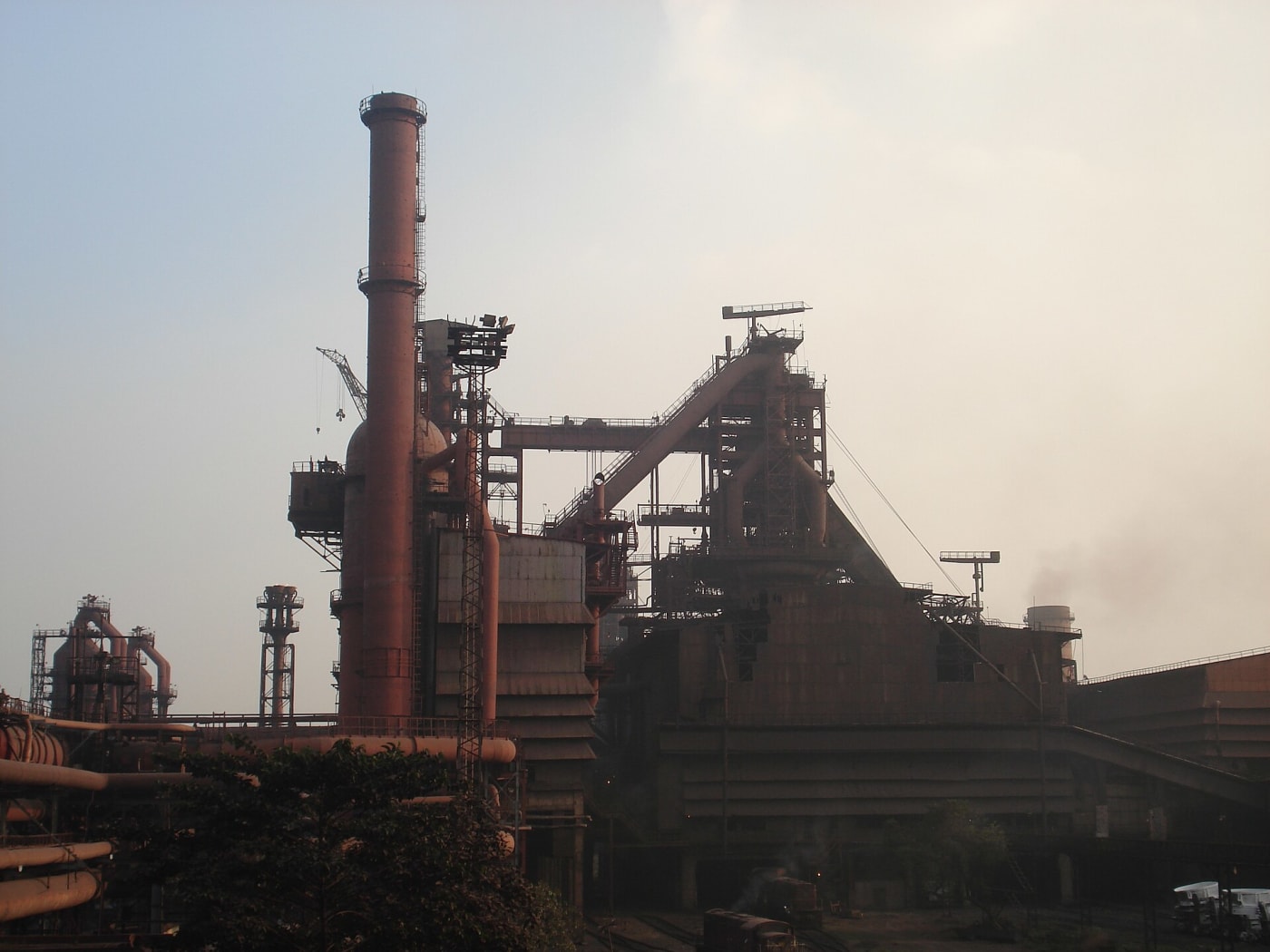
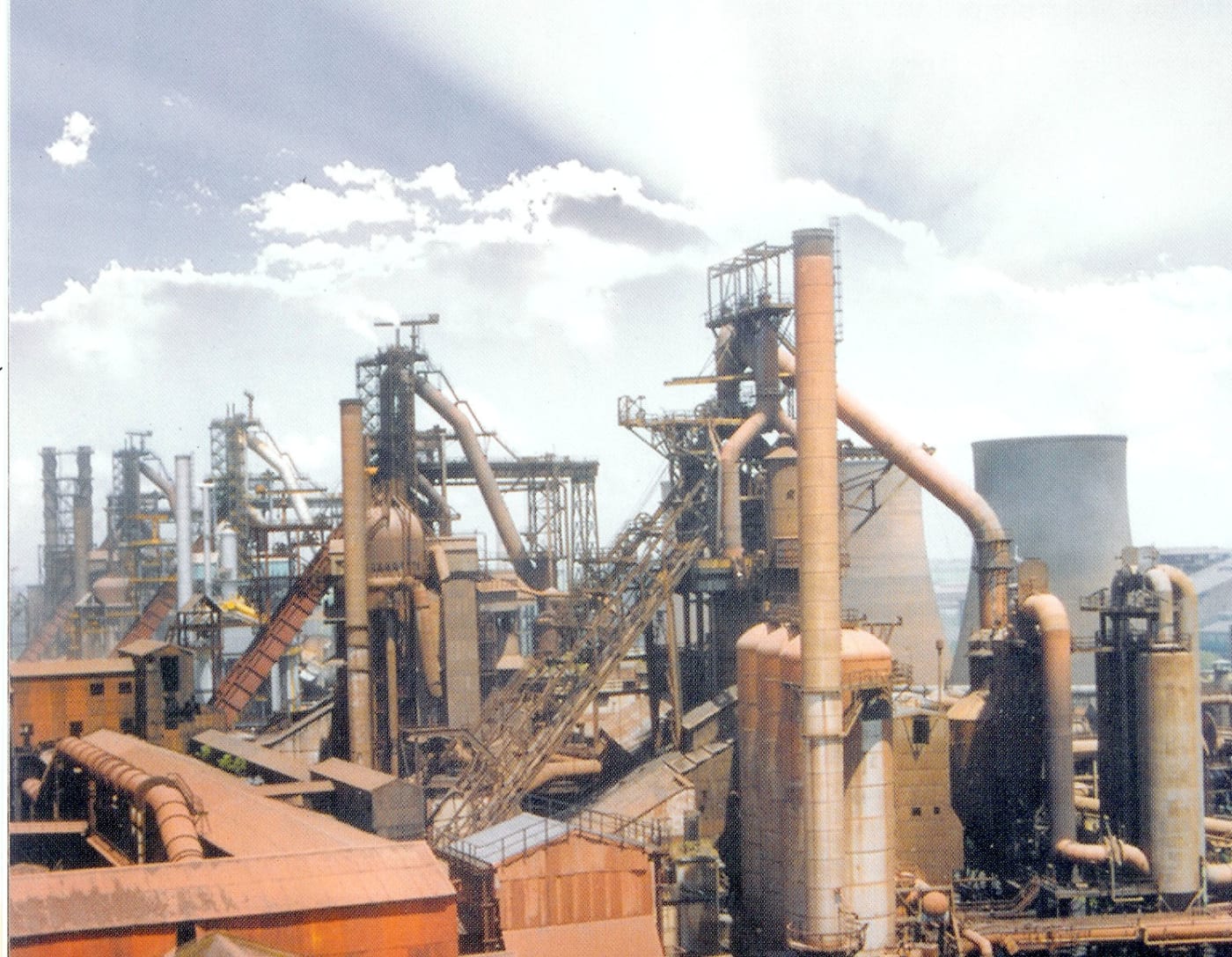
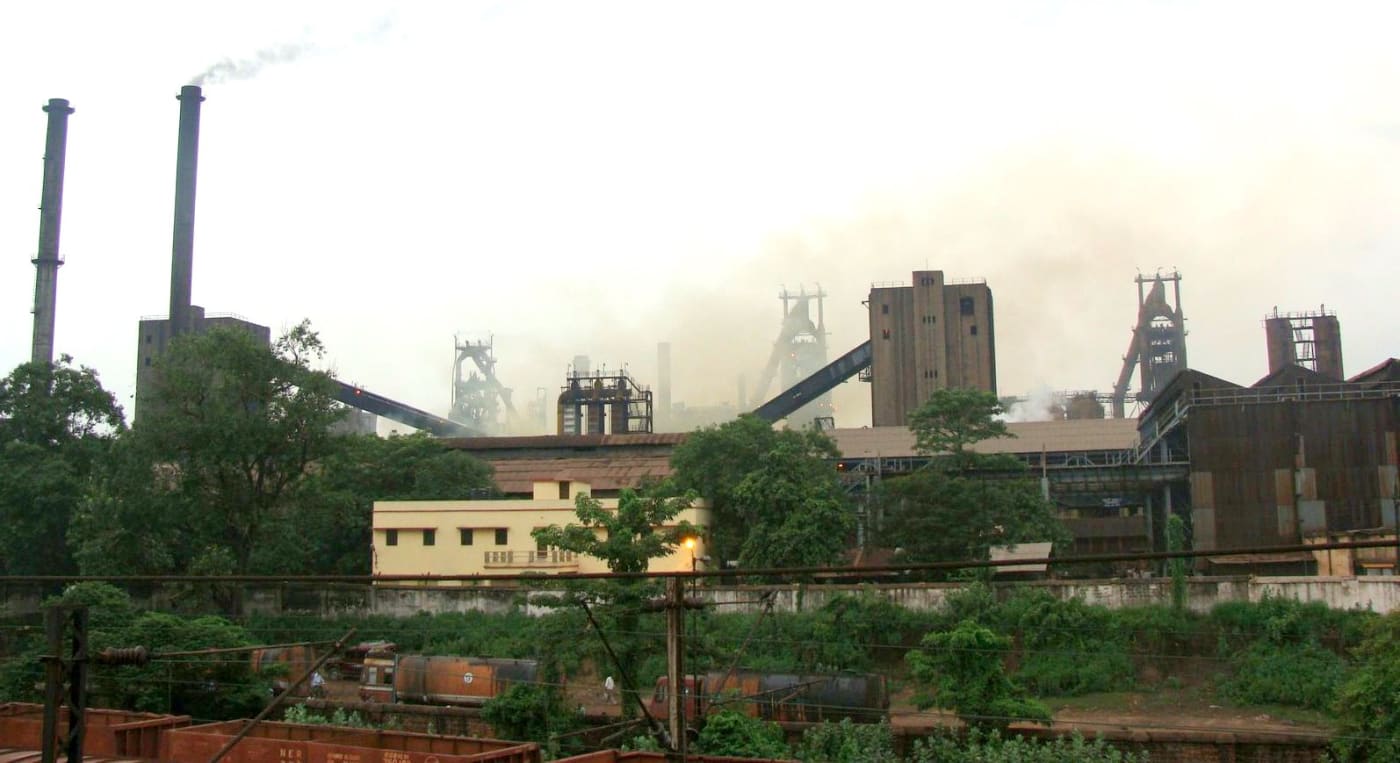
India is the world's second-largest steel producer, made by a mix of big integrated mills (Tata Steel, JSW, SAIL) that run blast furnaces on iron ore and coking coal, and thousands of smaller electric-furnace units. Because India has abundant iron ore but imports most of its coking coal, that import bill is a structural weakness — and the reason for a big push toward scrap-based and hydrogen-based 'green steel'.
Outlook
The National Steel Policy targets 300 million tonnes of capacity by 2030-31 (from about 200 MT today) and aims to more than double per-capita steel use (~100 kg) toward the world average. The twin goals ahead are green steel — lowering the sector's carbon footprint — and cutting coking-coal import dependence from about 85% toward 65%, with safeguard duties keeping Indian mills competitive.
By the numbers
~87 → 164.9 MT crude steel (2014→2025). 2nd-largest producer (since 2018). ~200 MT capacity; 300 MT target by 2030. ~25 lakh jobs. Sources: Ministry of Steel, World Steel Association.
Data current to: calendar year 2025
Source: World Steel Association — India's crude steel production by calendar year (million tonnes), 2014–2025. worldsteel: 164.9 Mt in 2025, up 10.4% from 149.4 Mt in 2024 (linked). The Ministry of Steel's figure for the financial year 2024-25, 152.18 Mt, covers a different twelve months. · link