India has one of the world's youngest populations, and turning that into a 'demographic dividend' depends on skills. The Skill India Mission, launched in 2015 with the Pradhan Mantri Kaushal Vikas Yojana (PMKVY), created a national framework for short-term vocational training, alongside ITIs, apprenticeships and sector skill councils. Over 1.6 crore candidates have been trained under PMKVY across its phases.
Skill India
Skill India
With one of the world's youngest populations, giving young Indians job-ready skills is a national priority. The Skill India Mission, launched in 2015, brought together vocational training under the Pradhan Mantri Kaushal Vikas Yojana (PMKVY) and a network of ITIs and skill centres. Over 1.6 crore candidates have been trained under PMKVY, increasingly in future skills like AI and robotics. The counter shows cumulative candidates trained under PMKVY.
0 → 1.64 cr
Trained under PMKVY
AI · robotics
PMKVY 4.0 future skills
world's youngest
Large workforce
Trained under PMKVY
| Year | Trained under PMKVY |
|---|---|
| 2015 | 0.20 crore |
| 2016 | 0.40 crore |
| 2017 | 0.60 crore |
| 2018 | 0.85 crore |
| 2019 | 1.00 crore |
| 2020 | 1.10 crore |
| 2021 | 1.20 crore |
| 2022 | 1.35 crore |
| 2024 | 1.60 crore |
| 2025 | 1.64 crore |
| Dashed bars are years the source does not publish; the shape between published years is drawn, not measured. | |
2015
0.00crore
Trained under PMKVY
20152025
Since 2015
Added
+1.44 crore
2015
0.20 crore
2025
1.64 crore
Dashed bars are years the source does not publish; the shape between published years is drawn, not measured.
Why it matters India's 'demographic dividend' only pays off if young people have skills employers need — otherwise a young population becomes a liability, not an asset.
- PMKVY: 0 → 1.64 crore trained (2015→Dec 2025)
- Skill India Mission targets 40 crore skilled by 2025
- Source: Ministry of Skill Development
History
Notable features
Later phases added a focus on future skills — AI, robotics, drones and Industry 4.0 under PMKVY 4.0 — and thousands of Skill Hubs in schools and colleges. Recognition of Prior Learning certifies skills that workers already have, apprenticeship stipends flow via Direct Benefit Transfer, and a new internship push aims to place youth in India's top companies.
How it works
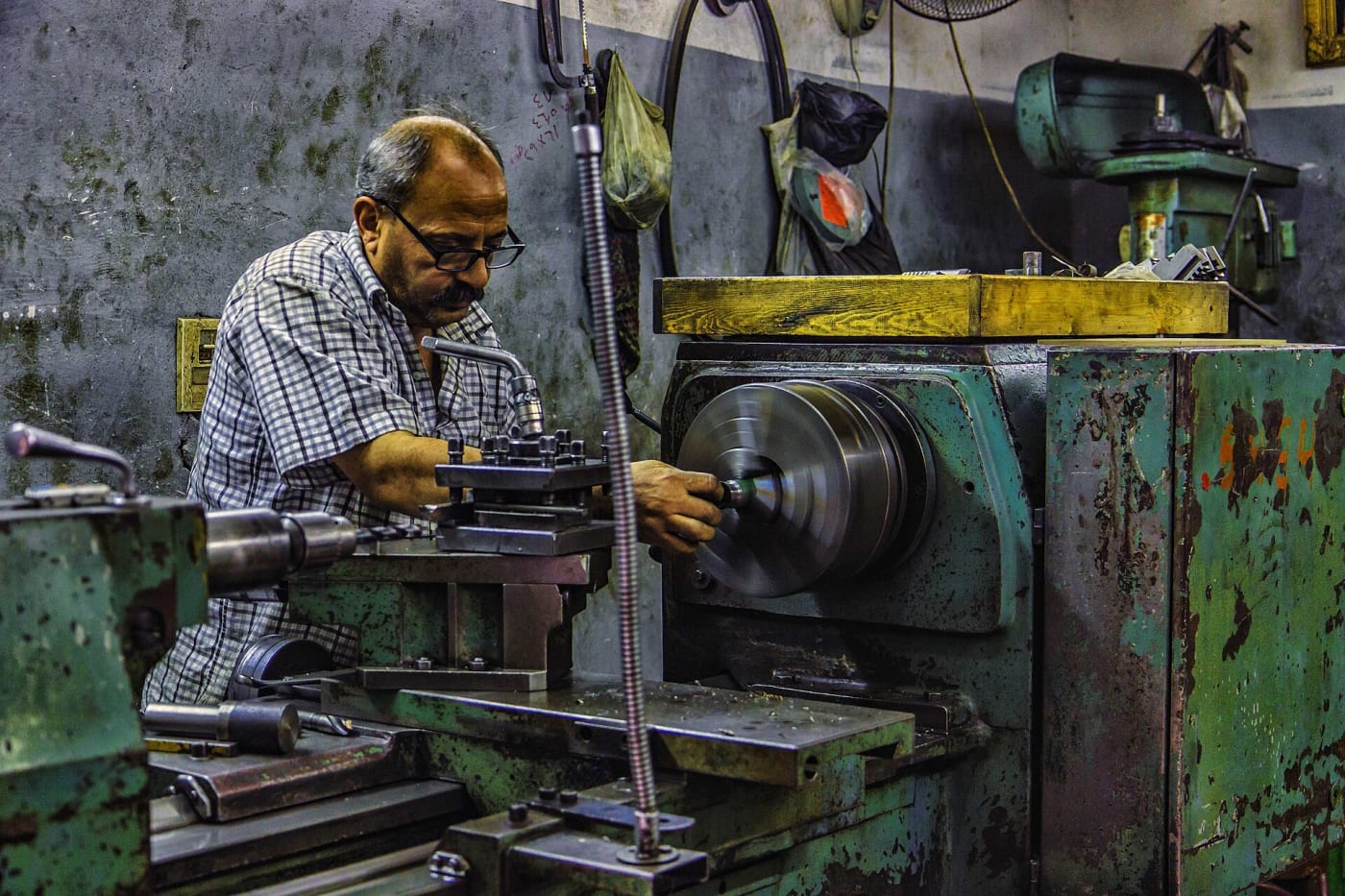
Skill India tries to give India's huge young workforce job-ready skills outside the formal degree system. Its main vehicles are the Pradhan Mantri Kaushal Vikas Yojana (PMKVY) — short, free courses in trades from welding to hospitality — a national network of Industrial Training Institutes (ITIs), and a growing apprenticeship programme that places trainees inside real companies. Training is aligned to industry-set standards so a certificate means something to employers.
Outlook
Crores have been trained, and the programme has steadily shifted toward turning training into jobs. The emphasis is now on tighter industry links through apprenticeships and on-the-job training, future-skills courses in AI, semiconductors and green tech, and a large ITI upgradation programme — so India's 'demographic dividend' converts directly into employable young people.
By the numbers
0 → 1.64 crore trained under PMKVY (2015→Dec 2025). PMKVY 4.0 focus on AI, robotics, drones. 40 crore skilling target by 2025. Sources: Ministry of Skill Development & Entrepreneurship.
Data current to: up to 31 December 2025
Source: Ministry of Skill Development via PIB — cumulative candidates trained or oriented under PMKVY (crore), 2015 to 31 December 2025. PIB: over 1.64 crore up to 31 December 2025 (linked); 1,60,33,081 from 2015 to 2024; 1.48 crore up to 30 June 2024. · link