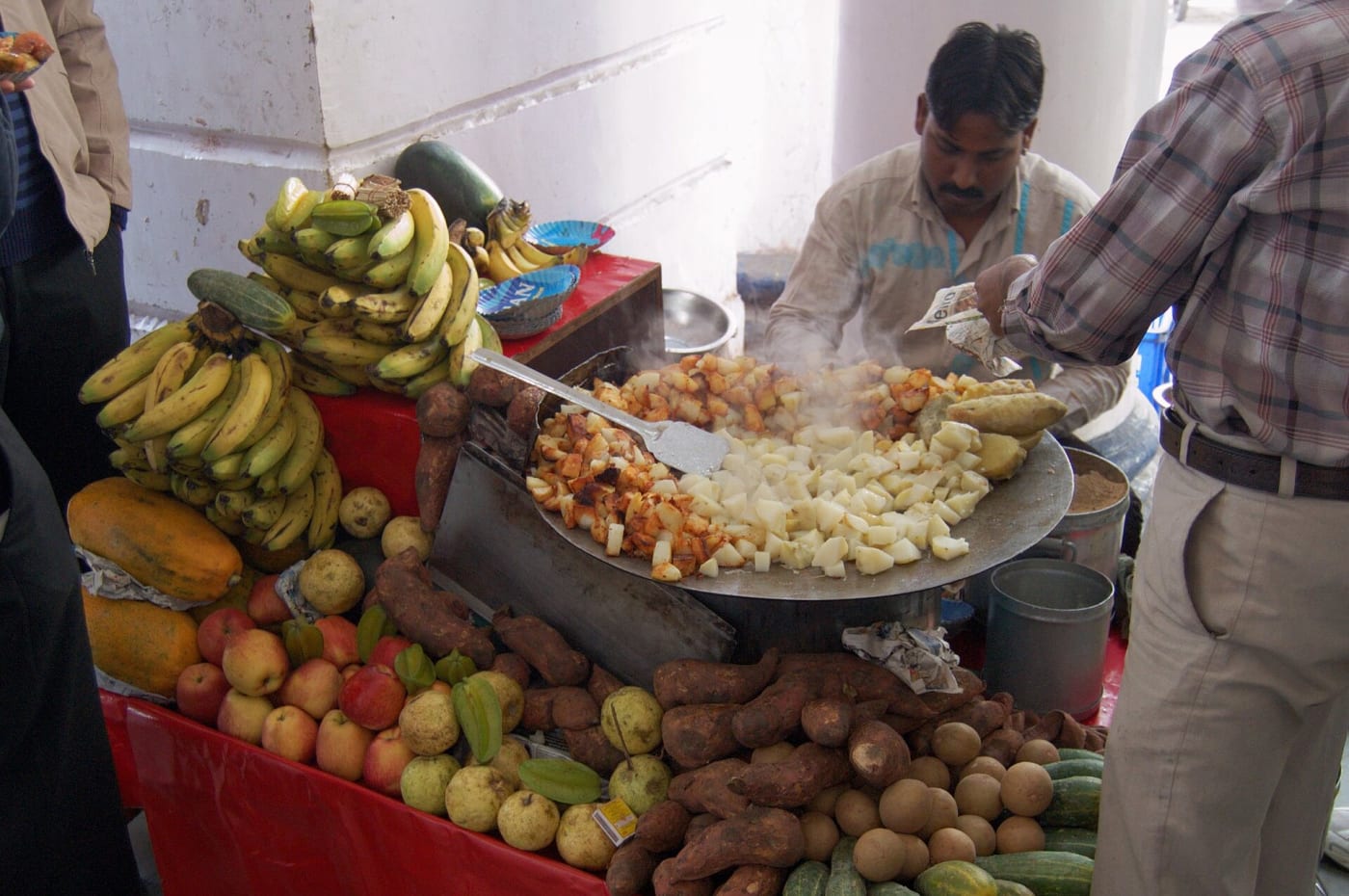
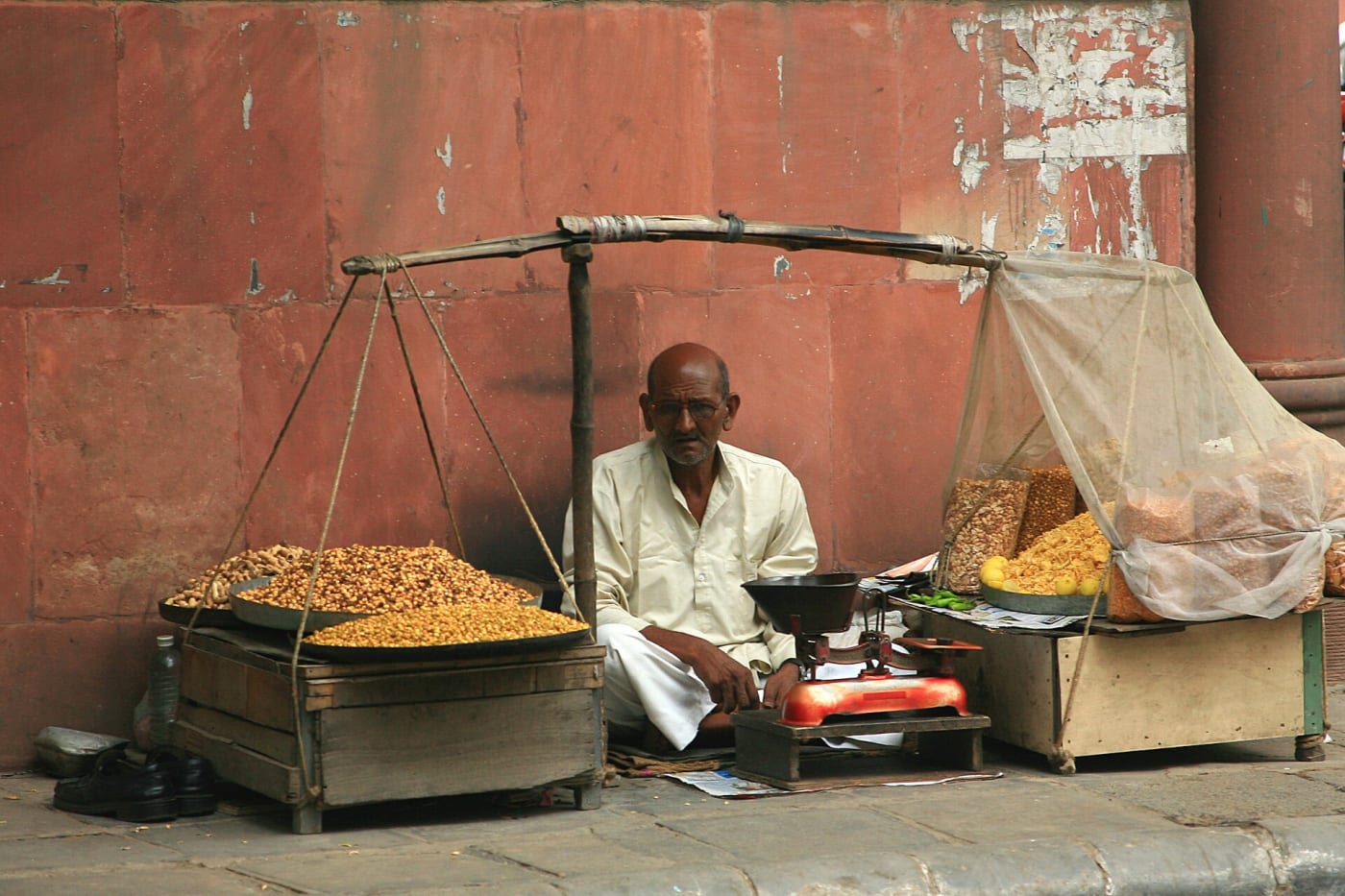
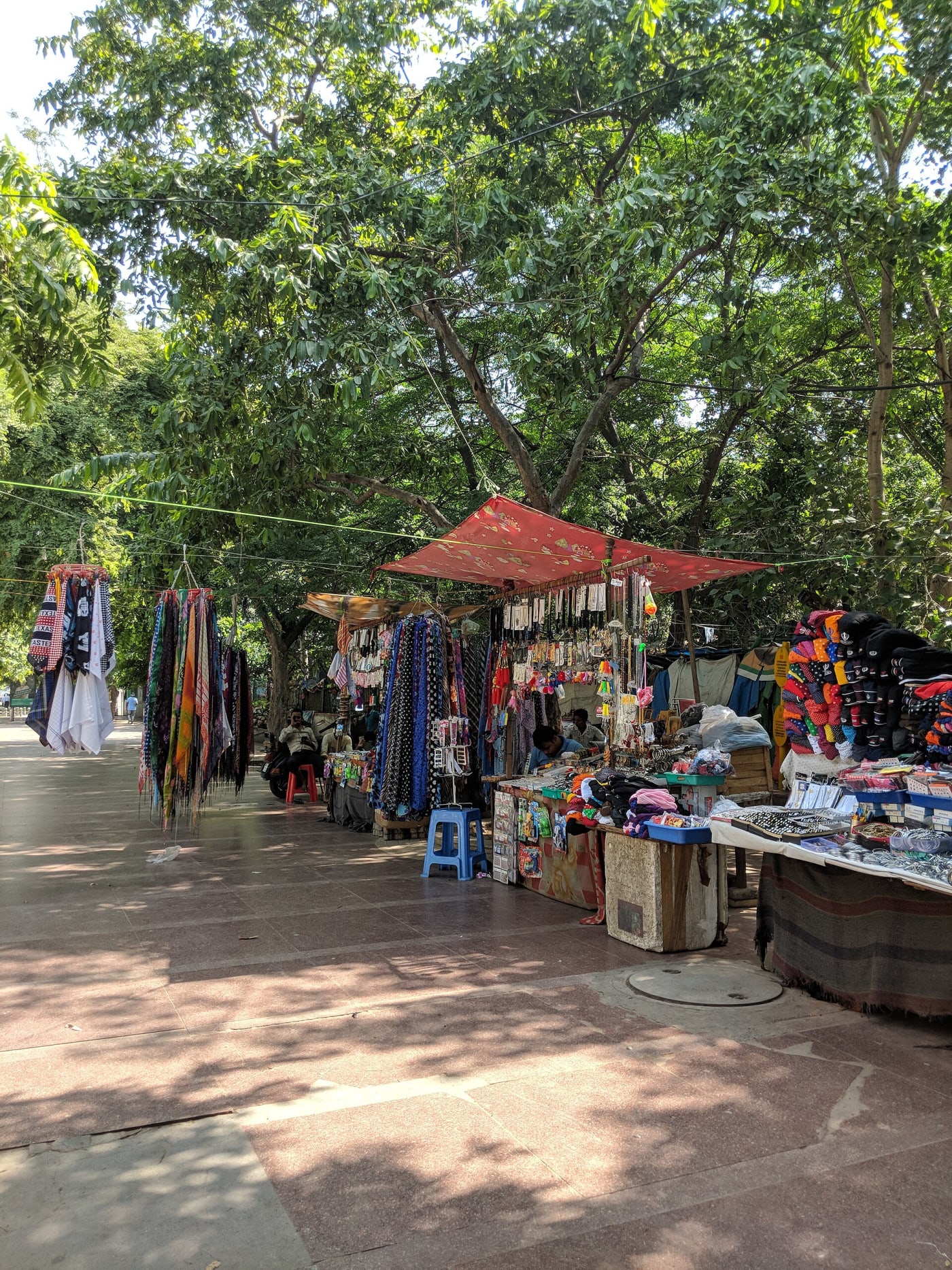
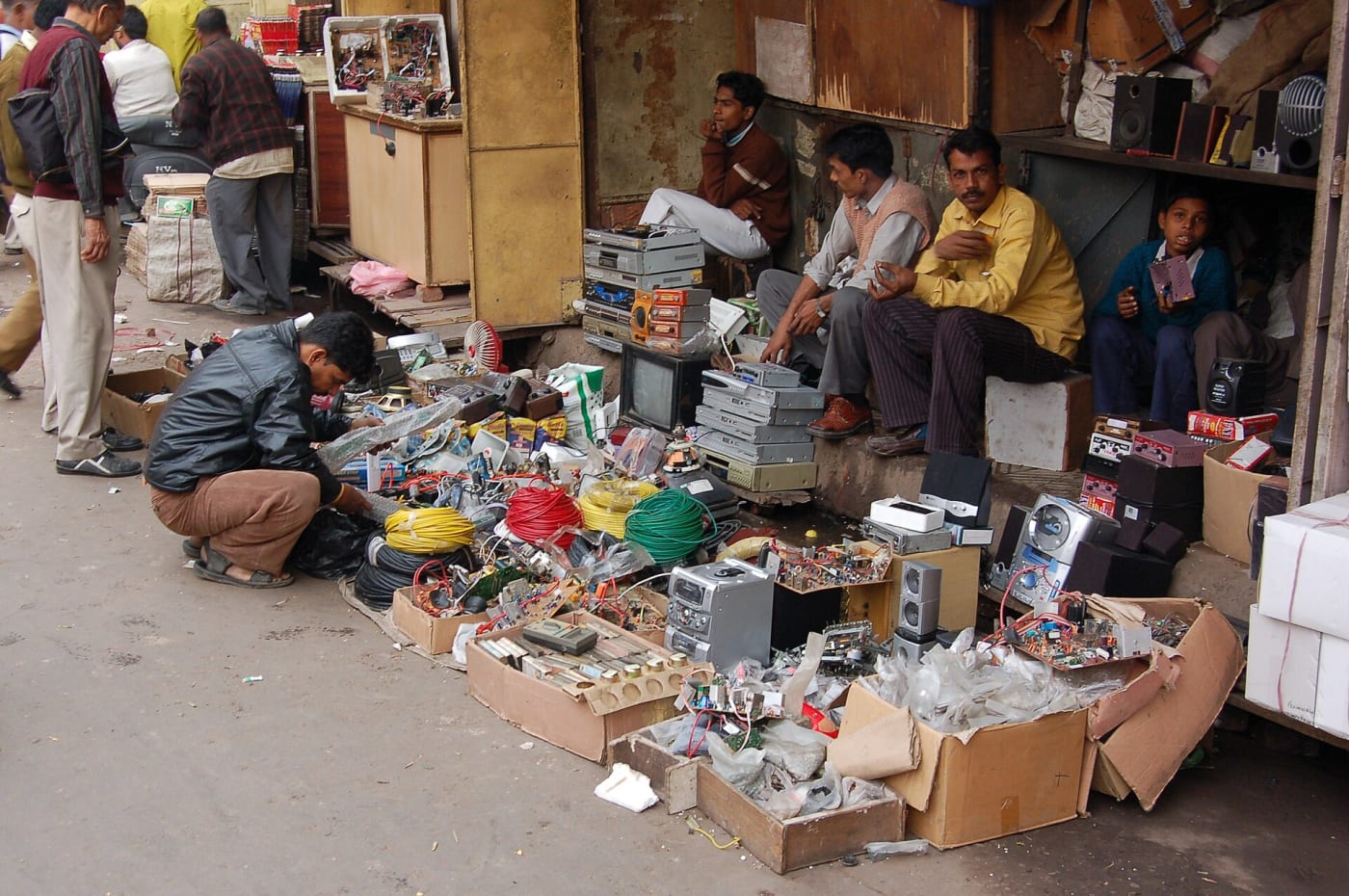
India's street vendors — people selling food, clothes, vegetables and household goods from carts and pavements — were invisible to the formal banking system. With no collateral, no documented income and often no fixed address, they borrowed from daily-interest moneylenders at rates that consumed most of their margin. The COVID lockdown badly hit their businesses and working capital.
PM SVANidhi — Street Vendors
PM SVANidhi — Street Vendors
PM SVANidhi, launched in June 2020, gave India's street vendors something they had never had: a formal, collateral-free loan. Since the scheme was restructured in 2025, a first loan of ₹15,000 rises to ₹25,000 and then ₹50,000 on repayment, with an interest subsidy and cashback for digital transactions. Over 1.12 crore loans have been disbursed to more than 75.5 lakh vendors, and the 2025 restructuring added a UPI-linked credit card and extended lending to March 2030. The counter shows cumulative loans disbursed.
1.12 cr+
Loans disbursed
75.5 lakh
Street vendors reached
₹15k → ₹50k
Collateral-free credit ladder
Loans disbursed to street vendors (May 2026)
| Year | Loans disbursed |
|---|---|
| 2020 | 7.9 lakh |
| 2021 | 27.1 lakh |
| 2022 | 33.4 lakh |
| 2023 | 76.2 lakh |
| 2024 | 83.3 lakh |
| 2025 | 96.0 lakh |
| 2026 | 112.0 lakh |
2020
0.0lakh
Loans disbursed
20202026
Since 2020
Added
+104.1 lakh
2020
7.9 lakh
2026
112.0 lakh
Why it matters Street vendors were invisible to the banking system and paid daily-interest moneylenders at rates that consumed their margin. A small formal loan and a digital transaction record builds a credit history from nothing — and a vendor with a repayment record can borrow again, larger, cheaper.
- Over 1.12 crore loans disbursed to more than 75.5 lakh street vendors since June 2020 (May 2026).
- Tiered collateral-free credit: ₹15,000, then ₹25,000, then ₹50,000 on timely repayment (since 2025).
- Cashback on digital transactions brought lakhs of vendors onto UPI.
- Announced in Budget 2025-26 and approved by the Cabinet in August 2025: lending extended to March 2030, with a UPI-linked credit card of up to ₹30,000.
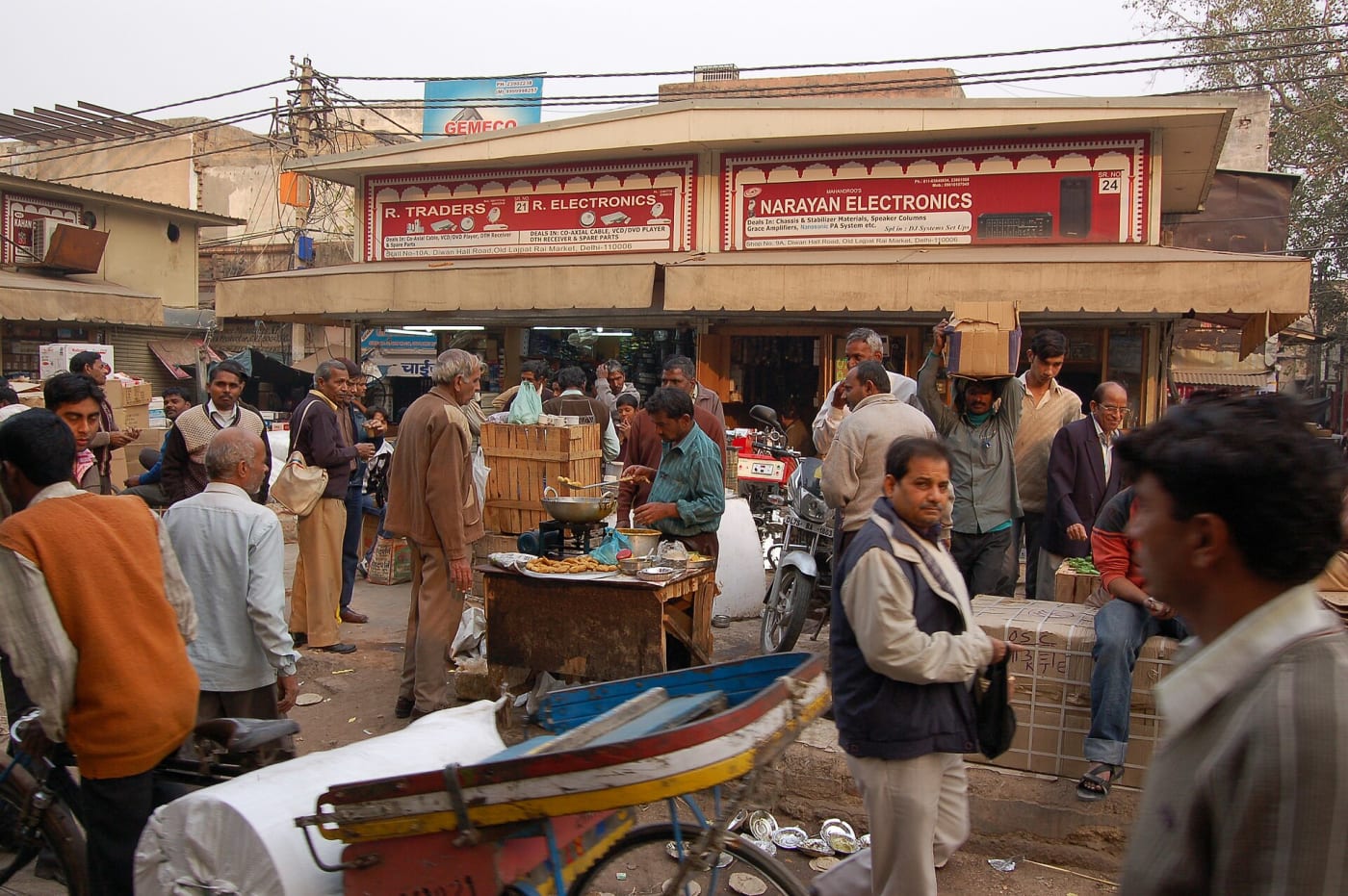
History
Notable milestone
PM SVANidhi launched in June 2020 as a micro-credit lifeline. Over 1.12 crore loans have since been disbursed to more than 75.5 lakh vendors (May 2026) — for nearly 95% of them, their first formal credit. Announced in Budget 2025-26 and approved by the Cabinet in August 2025, a restructuring raised loan limits, added a UPI-linked credit card of up to ₹30,000 and extended lending to March 2030.
How it works
Credit is tiered and collateral-free: a first loan of ₹15,000, then ₹25,000, then ₹50,000 (since 2025), each unlocked by repaying the last. A 7% interest subsidy is credited to the account, and cashback of up to ₹1,600 rewards digital transactions — which is how lakhs of vendors came onto UPI and began building a transaction history. Urban local bodies handle identification and vending certificates.
Outlook
The design point is not the loan size but the credit history. A vendor with a repayment record and a digital transaction trail becomes bankable for the first time — able to borrow again, larger and cheaper, from an ordinary bank rather than a moneylender. The Cabinet has said it also gave vendors a sense of identity and formal recognition.
By the numbers
1.12 crore+ loans disbursed to more than 75.5 lakh street vendors since June 2020 (May 2026). Tiered credit: ₹15,000 → ₹25,000 → ₹50,000, collateral-free. 7% interest subsidy; up to ₹1,600 cashback on digital payments. UPI-linked credit card of up to ₹30,000 (2025). Sources: Ministry of Housing & Urban Affairs, PIB.
Data current to: 30 May 2026
Source: Ministry of Housing & Urban Affairs (via PIB) — cumulative PM SVANidhi loans disbursed since June 2020, lakh (a vendor can take up to three loans), at the latest date reported each year: 7.88 (November 2020), 27.06 (December 2021), 33.37 (July 2022), 76.22 (December 2023), 83.27 (March 2024), 96 (July 2025) and more than 112 — 1.12 crore loans worth over ₹17,800 crore to more than 75.5 lakh vendors (May 2026, linked). · link