For decades India built a world-beating generic-medicine industry — but not the machines and devices of modern medicine. Scanners, implants, catheters and diagnostic kits were mostly imported. Recognised by the government as a 'sunrise sector', medical devices became a policy priority to reduce that dependence — imports made up more than 85% of the market in 2020.
Medical Devices
Medical Devices
Medical devices — from syringes and stents to MRI scanners and ventilators — are a fast-growing but heavily import-dependent part of India's healthcare. The industry is valued at over $15 billion (2026), and the government is pushing hard to make more of it at home.
$15 bn+
Industry size (2026)
24
PLI plants now producing (Dec 2025)
57
Products made under PLI
Key milestones since 2014
2017
Medical Devices Rules notified
2020
PLI and device-park schemes approved
2022
Four device parks get approval
2023
National Medical Devices Policy approved
2024
13 greenfield device plants inaugurated
2025
Exports reach $4.1 billion
2026
24 PLI plants, 57 products
2026
Industry valued above $15 billion
2014
0milestones
20142026
Why it matters Imports made up more than 85% of India's medical-device market in 2020, and device imports cost ₹1,37,088 crore in 2024-25. Making them domestically — under Make in India, a dedicated PLI scheme and medical-device parks — would cut costs, secure supply (a lesson from COVID), and build an export industry.
- India's medical-device industry is valued at over $15 billion (Department of Pharmaceuticals, July 2026), up from about $11 billion in 2020.
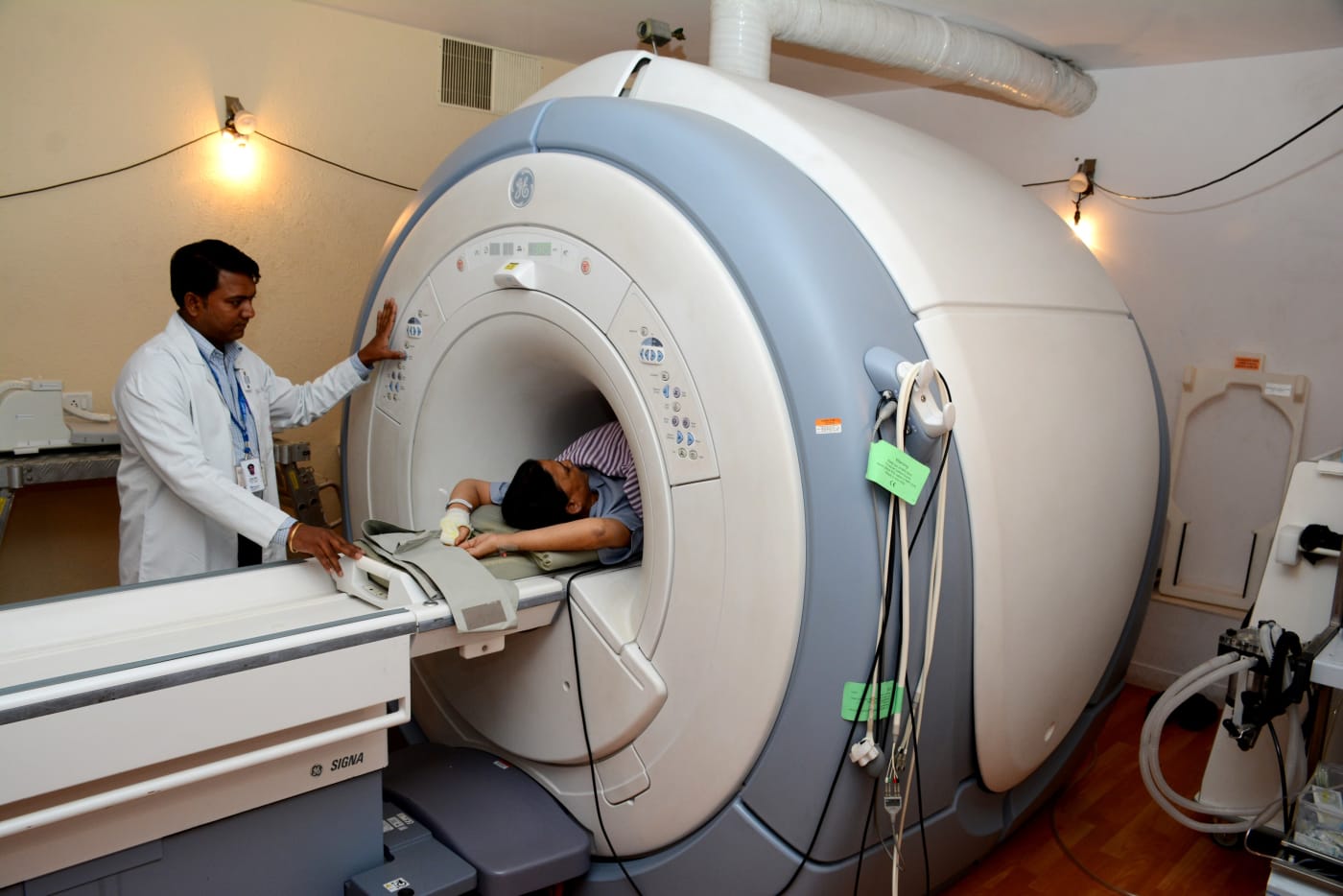
- 24 greenfield PLI plants now make 57 products, including CT, MRI and dialysis equipment India once only imported (Lok Sabha reply, March 2026).
- The National Medical Devices Policy (2023) and a Rs 3,420 crore PLI scheme back domestic manufacturing.
- Four medical-device parks were approved; three — Greater Noida, Ujjain and Kanchipuram — are at an advanced stage of development.
History
Notable milestone
The government approved a National Medical Devices Policy in 2023 and a Rs 3,420 crore PLI scheme offering incentives, paid from 2022-23 to 2026-27, on domestically made high-end devices. Four medical-device parks were approved, in Himachal Pradesh, Madhya Pradesh, Tamil Nadu and Uttar Pradesh; three — Greater Noida, Ujjain and Kanchipuram — are at an advanced stage of development.
How it works
The PLI scheme pays a 5% incentive on incremental sales of devices made in India, targeting segments India imports most — imaging (CT, MRI), cancer care, implants and critical-care equipment. Device parks provide ready infrastructure — common testing and laboratory facilities — so manufacturers can start faster and cheaper.
Outlook
Early results are visible: by March 2026 (Lok Sabha reply), 24 greenfield plants under PLI had begun production of devices like CT scanners, MRI machines, linear accelerators and dialysers that India once only imported. Global majors — GE, Philips, Siemens — are localising assembly, and the government expects the industry to reach $30 billion by 2030.
By the numbers
Over $15 billion industry (2026), expected to reach $30 billion by 2030 (government estimate, December 2024). National Medical Devices Policy 2023; Rs 3,420 crore PLI (incentives 2022-23 to 2026-27). 24 greenfield plants making 57 products (Lok Sabha reply, March 2026); 3 device parks at an advanced stage (4 approved). Imports ₹1,37,088 crore (2024-25). Sources: Department of Pharmaceuticals (Lok Sabha replies), PIB.
Data current to: As stated on 29 July 2026
Source: Department of Pharmaceuticals, via PIB (29 July 2026, linked) — India's medical-devices industry is currently valued at over US$ 15 billion, as stated by the Department (no reference year or method given). Earlier government estimates were US$ 11 billion in 2020 (National Medical Devices Policy, 2023) and about US$ 14 billion in late 2024. These are one-off estimates, not an official year-by-year series, so no chart is shown. · link