The Government of India created the category of Classical Languages on 12 October 2004, declaring Tamil the first; Sanskrit followed in 2005, Telugu and Kannada in 2008, Malayalam in 2013 and Odia on 1 March 2014. A Linguistic Experts Committee under the Sahitya Akademi, constituted in November 2004, examines proposals. Maharashtra sought the status for Marathi in 2013, and during inter-ministerial consultations in 2017 the Ministry of Home Affairs advised that the criteria be revised and made stricter. The National Education Policy 2020, approved on 29 July 2020, gave Indian languages a larger place in schooling, with the mother tongue or regional language as the medium of instruction at least till Grade 5.
Indian Languages · BHASHINI
Indian Languages · BHASHINI
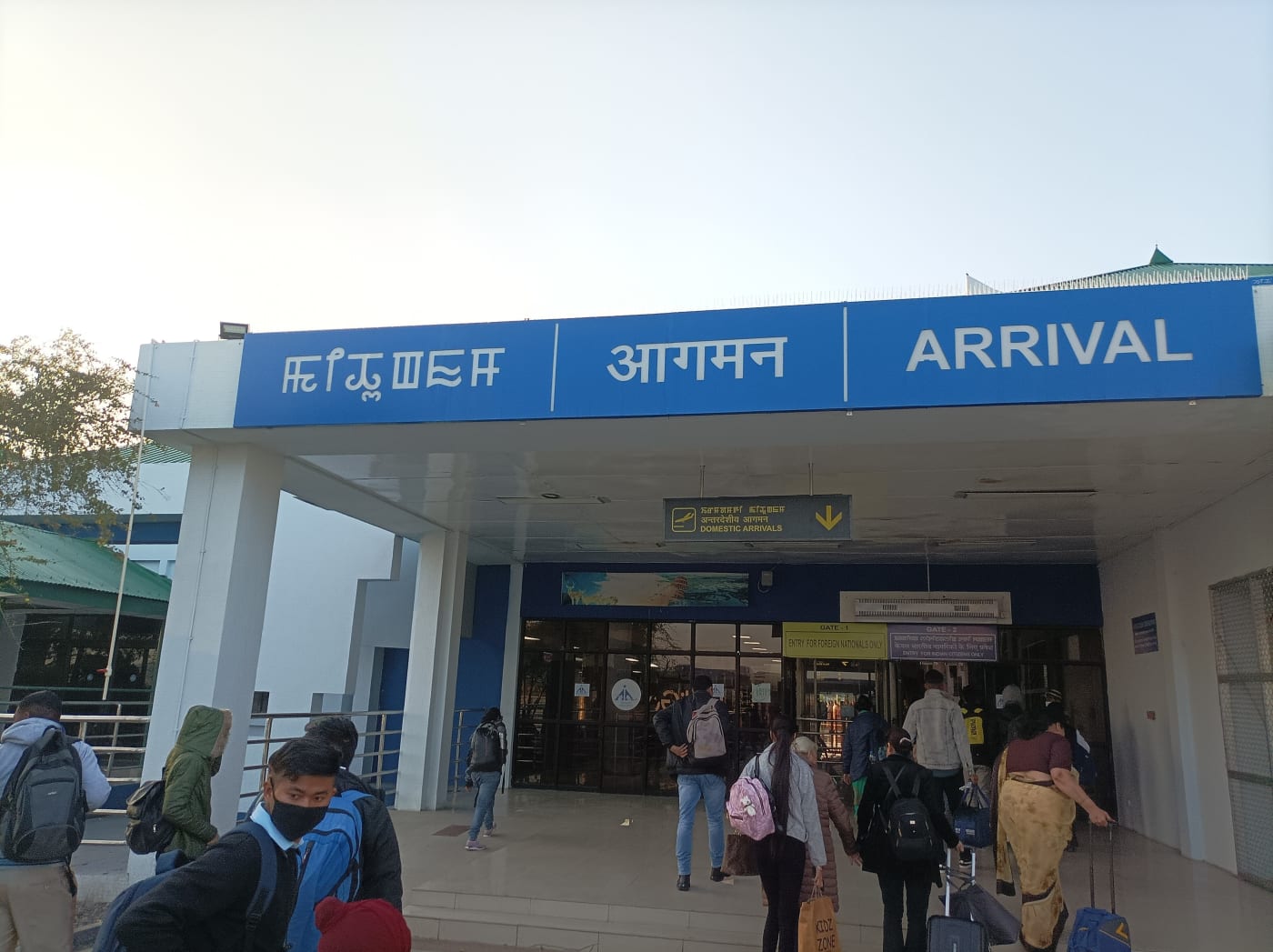
Census 2011 records 22 Scheduled and 99 Non-Scheduled languages in India, along with thousands of mother tongues. The National Education Policy 2020 emphasises teaching in the mother tongue or a regional language at least till Grade 5, and on 3 October 2024 the number of classical languages rose from 6 to 11. BHASHINI, launched in 2022 under the National Language Translation Mission, provides translation and speech services to government platforms. As stated on 2 July 2026, it supported 36 Indian text languages and 23 Indian voice languages, powered over 800 government websites and had enabled over 8 billion AI inferences. This timeline traces these milestones.
36
Indian text languages on BHASHINI (2 July 2026)
8 bn+
Cumulative AI inferences on BHASHINI (2 July 2026)
350+
Optimised AI models on BHASHINI (12 March 2026)
Classical languages (2004–2014 → 3 October 2024)
2020
NEP 2020: teaching in the mother tongue
The Union Cabinet approved the National Education Policy on 29 July 2020. It emphasises the mother tongue, local or regional language as the medium of instruction at least till Grade 5, and preferably till Grade 8 and beyond, and states that no language will be imposed on any student.
2020
Three central Sanskrit universities
Three Central Universities were established through an Act of Parliament to promote the study of Sanskrit: the Central Sanskrit University and Shri Lal Bahadur Shastri National Sanskrit University in New Delhi, and the National Sanskrit University in Tirupati.
2022
BHASHINI launched
2024
Classical language criteria revised
2024
Classical languages rise from 6 to 11
2025
Bharatiya Bhasha Pustak Scheme proposed
2026
BHASHINI passes 6 billion inferences
2026
8 billion inferences, 800+ websites
2020
2milestones
20202026
Latest
Three central Sanskrit universities
Three Central Universities were established through an Act of Parliament to promote the study of Sanskrit: the Central Sanskrit University and Shri Lal Bahadur Shastri National Sanskrit University in New Delhi, and the National Sanskrit University in Tirupati.
Why it matters Government websites, public services and textbooks reach more people when they are available in the languages people speak and read. Translation and speech tools let a citizen use a government website or service in their own language. Classical language status supports the preservation, documentation and digitisation of ancient texts, and academic and research work on them.
- Classical languages: 6 recognised between 2004 and 2014; 11 after Marathi, Pali, Prakrit, Assamese and Bengali were added on 3 October 2024
- NEP 2020 (approved 29 July 2020): mother tongue, local or regional language as the medium of instruction at least till Grade 5, preferably till Grade 8 and beyond
- BHASHINI supports 36 Indian text languages, 23 Indian voice languages and 35 international languages, with more than 20 specialised NLP services (2 July 2026)
- BHASHINI: more than 20 million AI inferences a day, over 8 billion in total, over 800 government websites (2 July 2026)
- Union Budget 2025-26 (1 February 2025) proposed a Bharatiya Bhasha Pustak Scheme for digital Indian language books in school and higher education
- BHASHINI powered the Kumbh Sah'AI'yak chatbot, which gave pilgrims navigation and event information in 11 languages at Maha Kumbh 2025 (PIB, 9 February 2026)
History
Notable milestone
On 3 October 2024 the Union Cabinet approved Classical Language status for Marathi, Pali, Prakrit, Assamese and Bengali, taking the total from 6 to 11. The Linguistics Experts Committee had revised the criteria on 25 July 2024: high antiquity of early texts or recorded history over 1,500–2,000 years, a body of ancient literature considered a heritage by generations of speakers, and knowledge texts including prose, epigraphical and inscriptional evidence. The primary states involved are Maharashtra, Bihar, Uttar Pradesh, Madhya Pradesh, West Bengal and Assam. The Ministry of Culture said the decision would create employment in academic and research fields and aid the preservation, documentation and digitisation of ancient texts.
How it works
BHASHINI is run by the Digital India BHASHINI Division, under the Digital India Corporation of the Ministry of Electronics and Information Technology, through the National Hub for Language Technology. It offers speech and text AI services, including automatic language detection, speaker diarization and keyword spotting, which government websites and apps use to work in Indian languages. Its BhashaDaan crowdsourcing initiative lets citizens contribute and validate language datasets. AICTE's Anuvadini platform translates academic and technical content, including textbooks, into Indian languages, and Adi Vaani began with tribal languages such as Santali, Bhili, Mundari and Gondi.
Outlook
BHASHINI's use grew through 2026: total inferences passed 6 billion by 12 March, and by 2 July it was processing more than 20 million inferences a day and had passed 8 billion. At the National Conference on e-Governance 2026 it launched a Rajasthan Language Model Training Hackathon to strengthen AI models for Rajasthan's regional languages. The Bharatiya Bhasha Pustak Scheme, proposed in the 2025-26 Budget, is meant to give school and higher education students digital books in Indian languages. The Gyan Bharatam Mission, approved with an outlay of ₹482.85 crore for 2024–31, uses AI tools to digitise and catalogue manuscripts.
By the numbers
6 → 11 classical languages (3 October 2024). 36 Indian text, 23 Indian voice and 35 international languages on BHASHINI (2 July 2026). 8 billion+ cumulative inferences and 20 million+ a day (2 July 2026). 800+ government websites powered (2 July 2026). 350+ optimised AI models (12 March 2026). 22 Scheduled and 99 Non-Scheduled languages (Census 2011). Sources: Ministry of Culture, Ministry of Education, MeitY (Digital India BHASHINI Division), Union Budget 2025-26, via PIB.
Data current to: BHASHINI figures as stated on 2 July 2026
Source: Ministry of Culture, Ministry of Education, MeitY (Digital India BHASHINI Division) and the Union Budget 2025-26, via PIB — dated milestones in language policy and BHASHINI usage, 2020–2026. BHASHINI figures are as stated on 12 March, 2 June and 2 July 2026. Headline: Cabinet decision of 3 October 2024 (linked). · link