Before 2017, goods crossing India faced a maze of central and state taxes — excise, VAT, octroi, service tax — with trucks queuing for hours at state borders. On 1 July 2017, the Goods and Services Tax replaced them with a single tax under 'one nation, one tax'. Gross GST collections hit a record ₹22 lakh crore in FY25, roughly double the FY21 level, and were about ₹22.27 lakh crore in 2025-26, excluding cess.
GST & Tax Base
GST & Tax Base
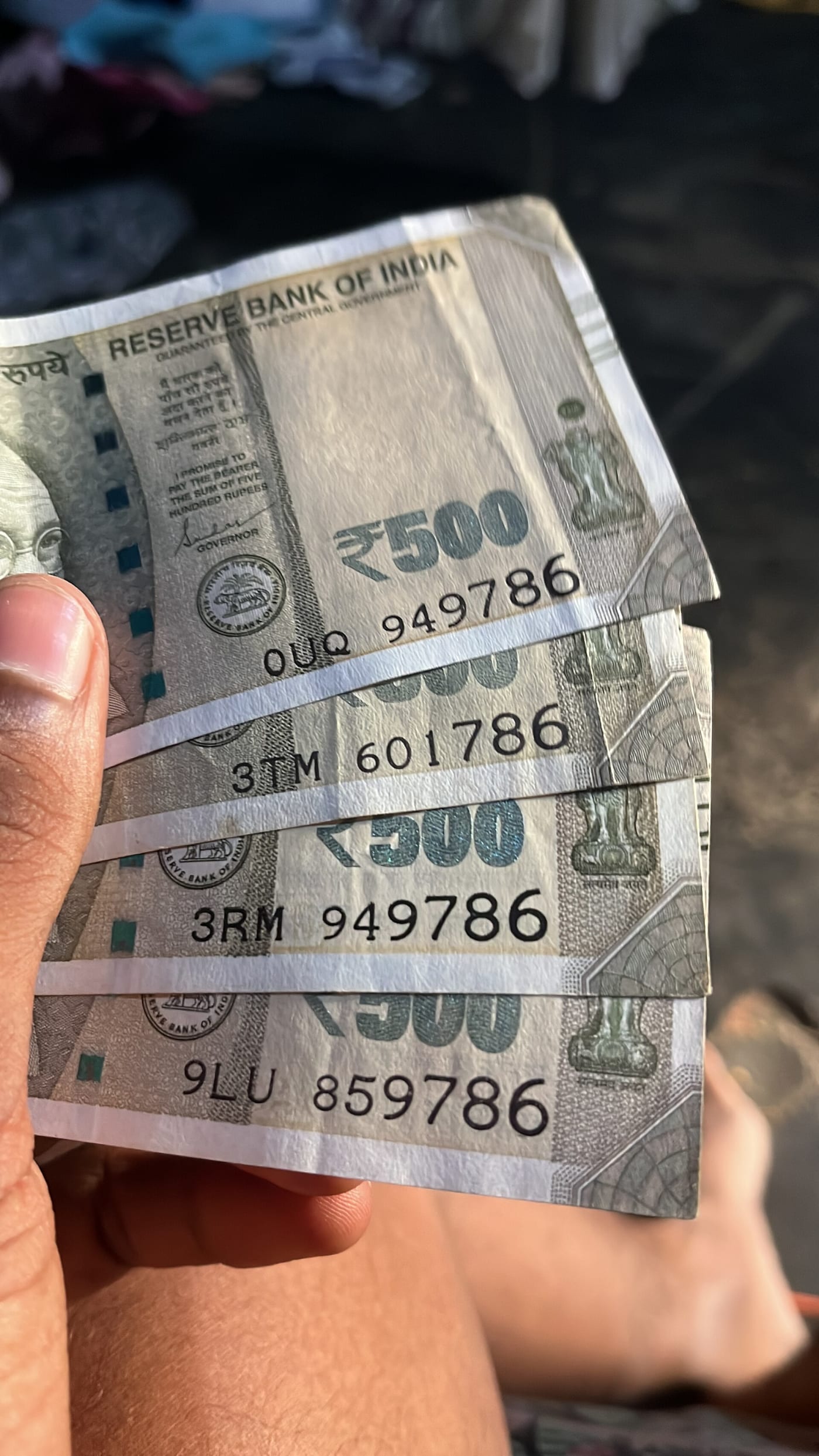
On 1 July 2017, India replaced a tangle of central and state taxes with a single Goods and Services Tax — 'one nation, one tax'. Gross GST collections reached a record ₹22 lakh crore in FY25, roughly doubling in five years, and about ₹22.27 lakh crore, excluding cess, in 2025-26; the number of GST taxpayers grew from 66.5 lakh in 2017 to 1.65 crore in May 2026. The counter shows gross annual GST collections.
₹7 → 22 lakh cr
Annual GST collections
66.5 lakh → 1.65 cr
GST taxpayers (2017 → May 2026)
1 July 2017
GST launched
Gross GST collections (2017-18 → 2025-26)
| Year | Annual GST collections |
|---|---|
| 2018 | 7.2 ₹ lakh cr |
| 2019 | 11.8 ₹ lakh cr |
| 2020 | 12.2 ₹ lakh cr |
| 2021 | 11.4 ₹ lakh cr |
| 2022 | 14.8 ₹ lakh cr |
| 2023 | 18.1 ₹ lakh cr |
| 2024 | 20.2 ₹ lakh cr |
| 2025 | 22.1 ₹ lakh cr |
2018
0.0₹ lakh cr
Annual GST collections
20182025
Since 2018
Added
+14.9 ₹ lakh cr
2018
7.2 ₹ lakh cr
2025
22.1 ₹ lakh cr
Why it matters A unified tax created a single national market, made supply chains more efficient, and widened the tax base — the revenue that funds roads, welfare and everything else.
- Annual GST: ~₹7 lakh cr (FY18) → ₹22 lakh cr (FY25); ~₹22.27 lakh cr excluding cess (FY26)
- GST taxpayers: 66.5 lakh (2017) → 1.65 crore (May 2026)
- Source: Ministry of Finance / GSTN
History
Notable impact
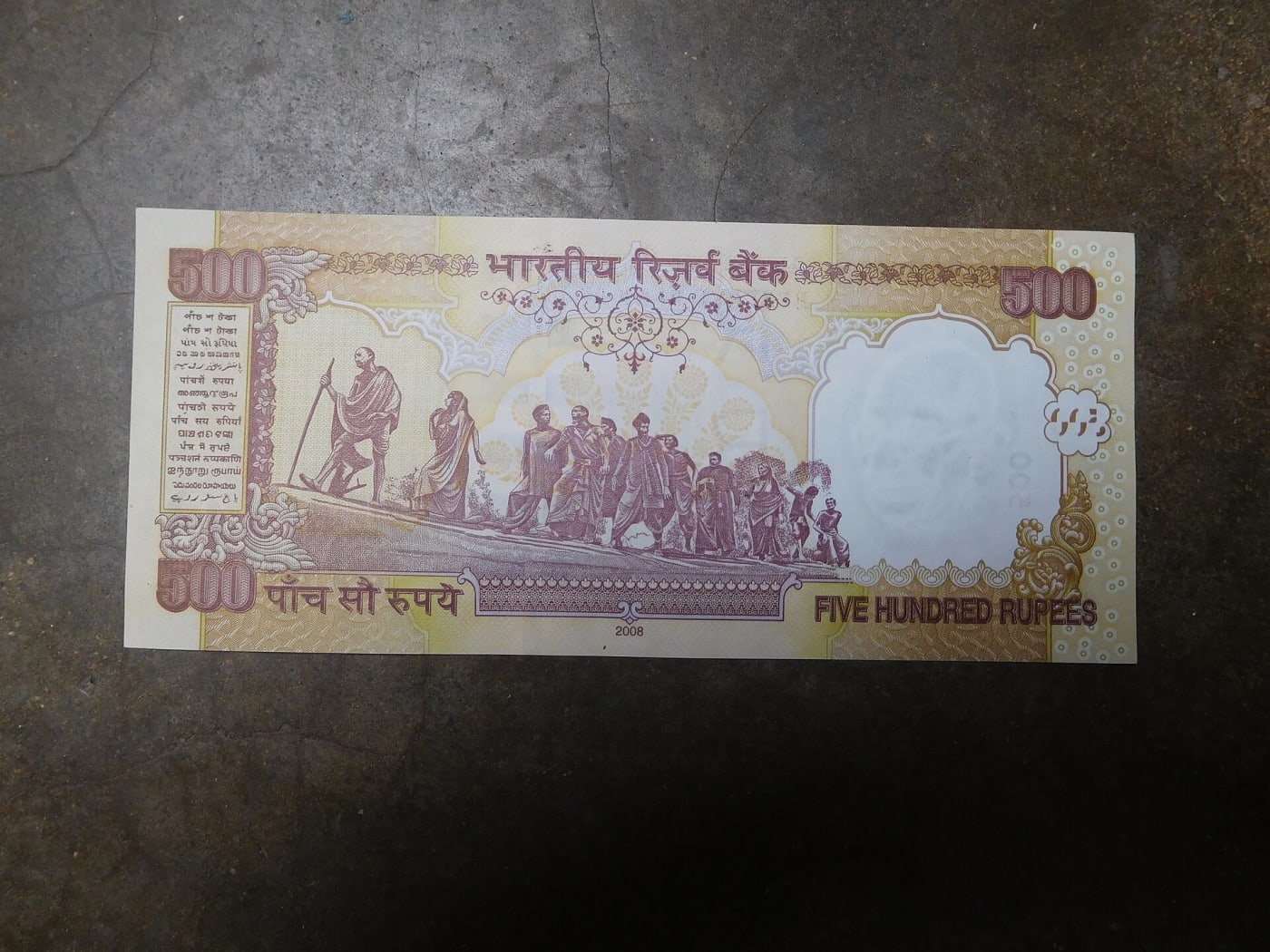
GST created a genuine single national market: state-border check-posts largely disappeared, cutting truck transit times sharply. The number of GST taxpayers rose from 66.5 lakh in 2017 to 1.65 crore in May 2026, widening the formal tax base. E-invoicing and the GST Network's digital backbone made evasion harder and compliance simpler, especially for small firms filing quarterly.
How it works
GST replaced 17 central and state taxes (excise, VAT, service tax, octroi) with one nationwide tax, charged at each stage but credited along the chain so only the final consumer really pays. The GST Council — the Centre plus every state, voting together — sets the rates, making it India's boldest experiment in cooperative federalism, and the system runs on the GSTN network, which matches invoices digitally.
Outlook
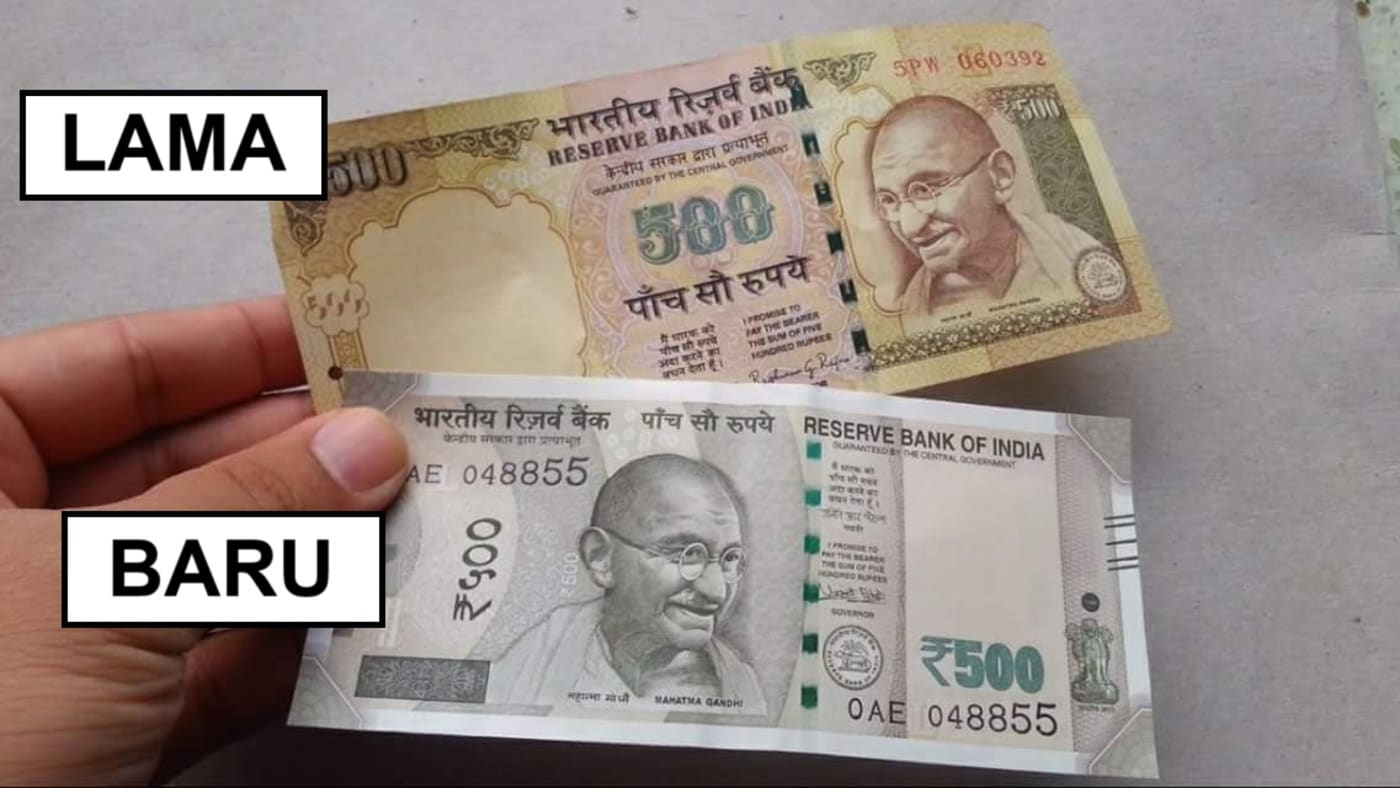
The push is simplification. The GST 2.0 reform (in effect from 22 September 2025) collapsed the old four-rate system into two main slabs — 5% and 18% — with a 40% rate for luxury and sin goods, cutting tax on hundreds of everyday items. Next come pre-filled returns and faster refunds for small businesses, bringing petroleum and electricity into GST over time, and widening the base beyond the 1.65 crore GST taxpayers of May 2026.
By the numbers
~₹7 → ₹22 lakh crore annual GST (FY18→FY25); ~₹22.27 lakh crore excluding cess (FY26). GST taxpayers 66.5 lakh (2017) → 1.65 crore (May 2026). Average monthly collection ~₹1.84 lakh crore. Sources: Ministry of Finance, GSTN, PIB.
Data current to: financial year 2025-26 (chart to 2024-25)
Source: Ministry of Finance / GSTN via PIB — gross annual GST collections (₹ lakh crore), FY2017-18 to FY2024-25. PIB: a record ₹22.08 lakh crore in 2024-25, up 9.4%, after ₹20.18, ₹18.08 and ₹14.83 lakh crore in the three years before. PIB, June 2026: about ₹22.27 lakh crore in 2025-26 (linked). That figure is on a different basis from the series: the GST Network's year-end table gives gross GST revenue of ₹22,27,096 crore in 2025-26 and ₹20,55,515 crore in 2024-25, with cess shown separately, so 2025-26 is not plotted. · link