Until 2021, flying a drone in India meant a permission-heavy regime of forms and fees. The Drone Rules, notified on 25 August 2021, replaced it with a light, trust-based framework — forms cut from 25 to 5 and fee types from 72 to 4 — and a PLI scheme followed to build a domestic drone industry.
Drones · Drone Shakti
Drones · Drone Shakti
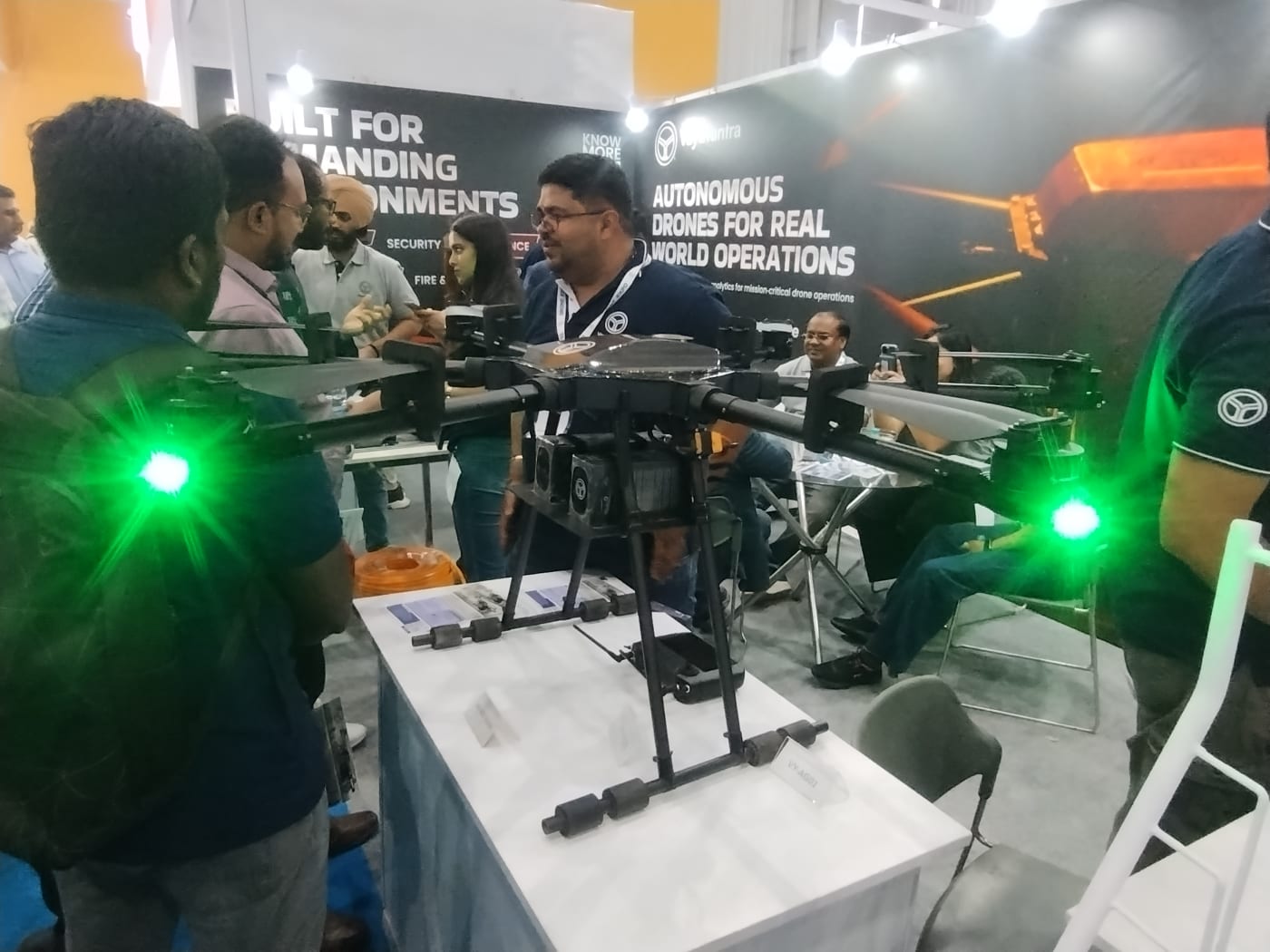
In 2021 India threw out a permission-heavy drone rulebook and replaced it with a light, trust-based one, aiming to become a global drone hub by 2030. Since then, farmers use Kisan Drones for spraying and mapping, the Namo Drone Didi scheme aims to put agri-drones in the hands of 15,000 women's groups (500 delivered under the scheme by January 2026), and startups build both civilian and military drones. This timeline traces the rise of India's drone ecosystem.
2021
Drone Rules liberalised
38,575
Drones registered (Feb 2026)
2030
Global hub vision
Global drone hub vision (target)
2021
Liberalised Drone Rules
The Drone Rules, notified on 25 August 2021, replace a permission-heavy regime with a trust-based one — forms cut from 25 to 5 and fee types from 72 to 4 — and a ₹120-crore PLI scheme follows to build a home-grown drone manufacturing ecosystem.
2022
Kisan drones take off
2023
Namo Drone Didi
2026
Toward a global drone hub
2021
1milestones
20212026
Latest
Liberalised Drone Rules
The Drone Rules, notified on 25 August 2021, replace a permission-heavy regime with a trust-based one — forms cut from 25 to 5 and fee types from 72 to 4 — and a ₹120-crore PLI scheme follows to build a home-grown drone manufacturing ecosystem.
Why it matters Drones are a frugal Indian innovation opportunity — cutting farm costs, reaching remote areas, and adding a new high-tech manufacturing and defence capability.
- Drone Rules 2021 liberalised; PLI ₹120 crore; 38,575 drones registered (February 2026)
- Namo Drone Didi: target of 15,000 women's SHGs, 500 drones delivered; 2030 hub vision
- Source: Ministry of Civil Aviation; Ministry of Agriculture; PIB
History
Drones for farms & defence
Kisan Drones now spray and map fields; the Namo Drone Didi scheme aims to give agri-drones to 15,000 women's groups as a business (500 delivered under the scheme by January 2026); and makers like Garuda Aerospace and ideaForge are among the drone PLI beneficiaries. India is chasing a 2030 goal of becoming a global drone hub.
How it works
India unlocked drones in 2021 by scrapping heavy licensing for liberalised Drone Rules, then banned imports of finished foreign drones to force local making, and added a small production incentive. The uses split three ways: agriculture (spraying and crop mapping, including the Namo Drone Didi scheme that puts drones in the hands of women's self-help groups), logistics and surveying, and defence, where cheap drones have become central to modern warfare.
Outlook
The next steps are a national airspace-management system for thousands of drones and a deeper domestic supply chain in motors, sensors and chips, backed by the drone PLI and a ban on imported drones. Military demand, proven in recent operations, and the spread of agricultural drones under Namo Drone Didi are the twin growth engines carrying India from drone assembly to drone technology.
By the numbers
Drone Rules 2021; PLI ₹120 cr; 38,575 drones registered and 39,890 remote pilot certificates (February 2026); Namo Drone Didi target of 15,000 SHGs, 500 drones delivered (January 2026); 2030 global-hub vision. Sources: Ministry of Civil Aviation, Ministry of Agriculture, PIB.
Data current to: Milestones 2021–2026; figures as of February 2026
Source: PIB backgrounder, India's Drone Ecosystem (17 February 2026, linked), with the Civil Aviation and Agriculture ministries — Drone Rules notified on 25 August 2021; drone PLI scheme with an approved outlay of ₹120 crore; 38,575 drones registered (9 February 2026) and 39,890 remote pilot certificates issued; 1,094 drones given to women's self-help groups by fertiliser companies, 500 of them under Namo Drone Didi, whose target is 15,000 groups. Becoming a global drone hub by 2030 is the government's stated vision, not a measured target. Milestones 2021–2026. · link