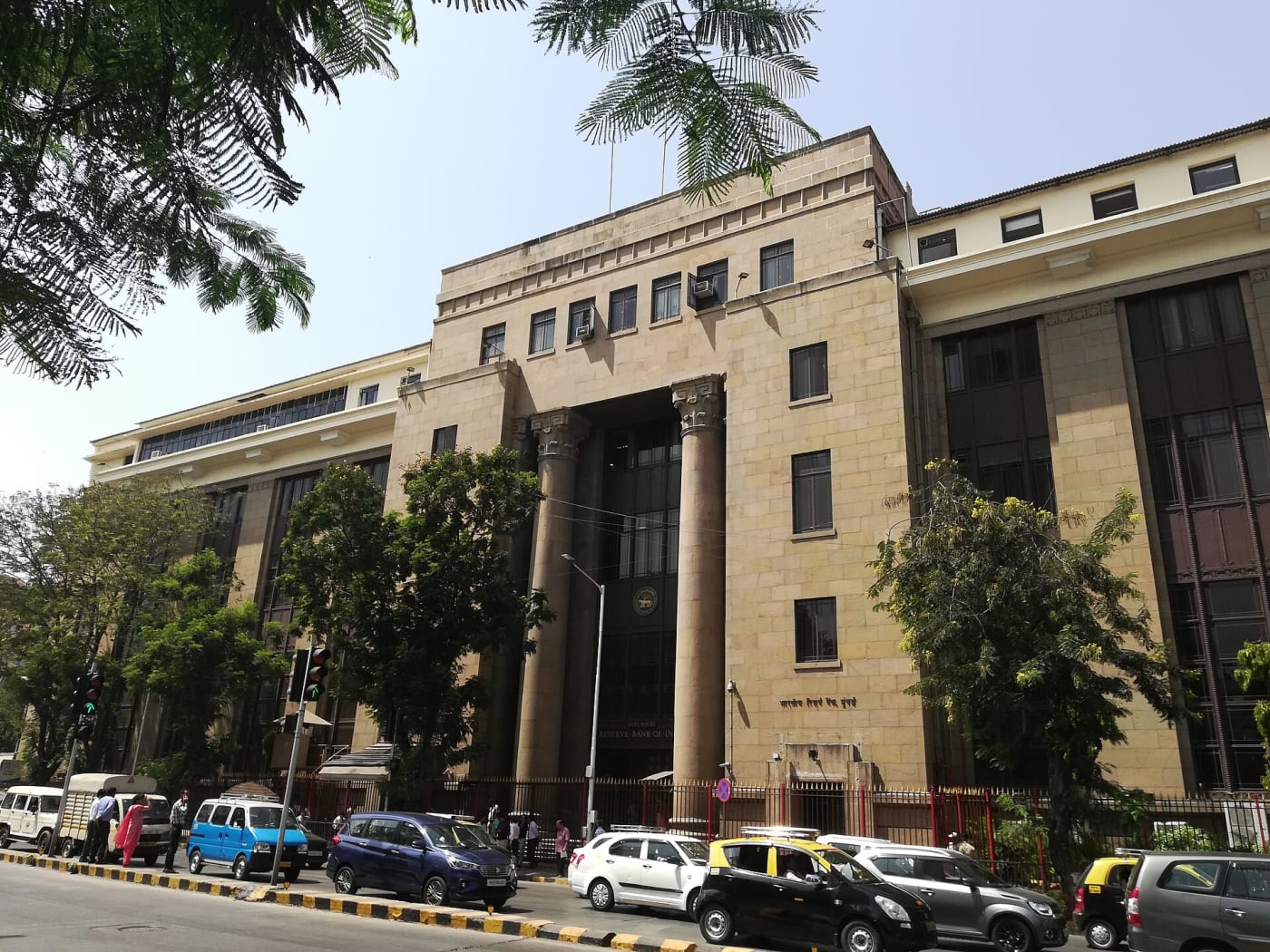
As private cryptocurrencies spread, central banks worldwide began building their own digital money. The RBI proposed a Digital Rupee and, in late 2022, launched pilots — a wholesale version for banks (November) and a retail version for the public (December).
Digital Rupee · CBDC
Digital Rupee · CBDC
The Digital Rupee (e-rupee) is the Reserve Bank of India's central bank digital currency — sovereign money in digital form, a direct claim on the RBI. Retail and wholesale pilots began in late 2022.
Dec 2022
e-rupee pilot launched
1 crore
Retail users (Apr 2026)
16
Wholesale pilot participants
Key milestones since 2014
2022
Digital Rupee announced in Budget
2022
Wholesale pilot launched
2022
Retail pilot launched
2023
Pilot reaches 13 banks, 26 locations
2024
Programmable and offline features proposed
2025
70 lakh users across 19 banks
2026
Food-subsidy pilot in Gujarat
2026
Retail users reach 1 crore
2014
0milestones
20142026
Why it matters Unlike UPI, which moves your bank deposit, the e-rupee IS money — like a digital banknote that can be 'programmed' for a specific use, with offline payments being explored. It could cut cash-handling costs, speed settlements, and enable targeted welfare that can only be spent as intended.
- The RBI launched the Digital Rupee pilots (wholesale and retail) in late 2022.
- The retail e-rupee reached 1 crore users by April 2026, with nearly 15 crore transactions; 19 banks offer wallets.
- Programmable e-rupee food-subsidy pilots began in Gujarat and Puducherry in February 2026.
- The digital rupee complements UPI — which handled over 240 billion transactions in 2025-26 — as India builds a full-stack sovereign digital currency.
History
Notable milestone
The retail e-rupee grew from 70 lakh users in October 2025 to 1 crore users by April 2026, with nearly 15 crore transactions; 19 banks offer wallets. In February 2026 the government, using the RBI's e-rupee, began programmable food-subsidy pilots in Gujarat and Puducherry — e-rupee that can be restricted to a purpose, like a specific subsidy or benefit.
How it works
The e-rupee is a digital token issued by the RBI in the same denominations as notes and coins, held in a wallet offered by a bank or non-bank. Unlike a UPI transfer — which moves your bank deposit — paying in e-rupee transfers central-bank money directly; offline payment options are being explored.
Outlook
A retail CBDC could cut the cost of printing and handling cash, speed up settlements, and reach areas with patchy internet through offline payments. Programmability could make welfare 'leak-proof' — money that can only be spent on what it was meant for.
By the numbers
Dec 2022 — retail e-rupee pilot launched (wholesale from Nov 2022). 1 crore retail users and nearly 15 crore transactions (April 2026); 19 banks offer retail wallets; 16 wholesale participants. Programmable food-subsidy pilots from February 2026. Offline payments being explored. Sources: Reserve Bank of India, PIB.
Data current to: As stated on 8 April 2026
Source: Reserve Bank of India — edited transcript of the post-policy press conference of 8 April 2026 (linked): the retail e-rupee now has 1 crore users, with nearly 15 crore transactions worth about ₹34,000 crore in all. Earlier official counts: 70 lakh users (Governor, October 2025) and 82 lakh users with 11 lakh merchants (Ministry of Finance, November 2025). The retail pilot has run since 1 December 2022; 19 banks offer wallets, and the wholesale pilot has 16 participants (RBI FAQs, April 2026). These are occasional statements, not a regular series, so no chart is shown. · link