Cooperatives — dairy giants like Amul, sugar mills, and village credit societies — have organised rural India for a century, spanning over 8.5 lakh societies and about 32 crore members today. In 2021 a dedicated Ministry of Cooperation was created to modernise them.
Cooperatives · Sahakar
Cooperatives · Sahakar
Cooperatives — from Amul to village credit societies — have long been a backbone of rural India, with over 8.5 lakh cooperative societies and about 32 crore members. In 2021 India created a dedicated Ministry of Cooperation under the motto 'Sahakar se Samriddhi' (prosperity through cooperation) to modernise them: computerising village credit societies (79,630 sanctioned), giving them new lines of business, and setting up national co-ops for organics, seeds and exports. This timeline traces those reforms.

8.53 lakh
Cooperative societies (July 2026)
~32 cr
Cooperative members
79,630
PACS sanctioned for computerisation
Cooperative societies (July 2026)
2021
Ministry of Cooperation created
A dedicated Union Ministry of Cooperation is set up under the motto 'Sahakar se Samriddhi' to modernise India's cooperative sector.
2022
PACS computerisation approved
2023
New national co-op bodies & law
2024
Grain storage pilot opens
2025
National Cooperation Policy
2021
1milestones
20212025
Latest
Ministry of Cooperation created
A dedicated Union Ministry of Cooperation is set up under the motto 'Sahakar se Samriddhi' to modernise India's cooperative sector.
Why it matters Cooperatives let small farmers and rural producers pool resources and bargaining power — a proven, inclusive model for grassroots prosperity.
- Ministry of Cooperation (2021); 8.53 lakh co-operative societies (July 2026), ~32 cr members
- 61,478 PACS on common software (79,630 sanctioned); new national co-op societies
- Source: Ministry of Cooperation
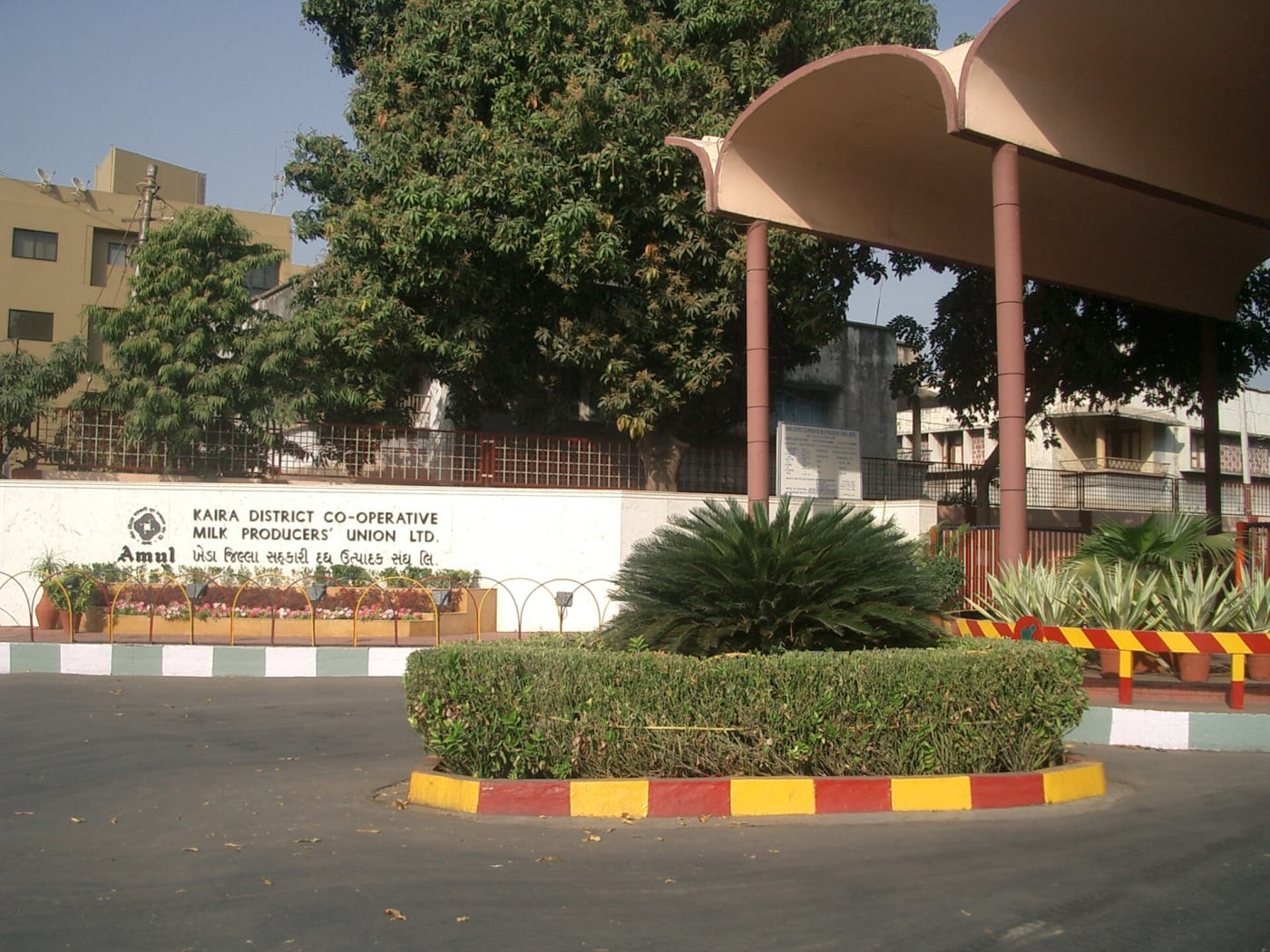


History
Sahakar se Samriddhi
Reforms are computerising 79,630 sanctioned village credit societies, giving them new businesses, and setting up national co-ops for organics, seeds and exports. The government's 'World's Largest Grain Storage Plan in Cooperative Sector' builds godowns at village societies.
How it works
Cooperatives are member-owned businesses — farmers, dairy producers or borrowers who jointly own and run an enterprise, from a village credit society to giants like Amul and IFFCO. They give small producers scale and a share of the profits. In 2021 India created a dedicated Ministry of Cooperation under the slogan 'Sahakar se Samriddhi' (prosperity through cooperation) to modernise this vast, often-neglected sector — starting by computerising the tens of thousands of primary village credit societies (PACS).
Outlook
The patient work ahead is turning legacy cooperatives into professional, transparent enterprises — strengthening governance and finances across lakhs of local bodies. New national-level multi-state cooperatives for seeds, organic produce and exports aim to give farmers a direct route to markets, while PACS are being computerised and expanded into new services (fuel, water, banking) so the village society becomes a broader rural business hub.
By the numbers
Ministry of Cooperation (2021); 8,53,430 cooperative societies (15 July 2026), about 32 crore members; 79,630 PACS sanctioned for computerisation, 61,478 on common software; grain godowns complete in 313 PACS (1.80 lakh tonnes, July 2026); National Cooperation Policy 2025. Sources: Ministry of Cooperation, PIB.
Data current to: As on 15 July 2026
Source: Ministry of Cooperation, Parliament reply published by PIB (29 July 2026, linked) — the National Cooperative Database lists 8,53,430 cooperative societies as on 15 July 2026, of which 6.63 lakh are functional. Milestones follow the Ministry's statements: Ministry created on 6 July 2021; computerisation of 63,000 primary agricultural credit societies (PACS) approved in June 2022, since expanded to 79,630 sanctioned and 61,478 onboarded (February 2026); model bye-laws circulated on 5 January 2023; grain storage pilot godowns opened in 11 PACS on 24 February 2024, with godowns complete in 313 PACS by July 2026; National Cooperation Policy unveiled on 24 July 2025. Milestones 2021–2025. · link