For most of India's history, the stock market was the preserve of a small urban elite. That changed after 2020: demat accounts jumped from about 2.2 crore in 2014 to about 23.4 crore by July 2026, most of the surge in just four years, as cheap smartphone apps, low-cost broking and monthly SIPs pulled in first-time retail investors from smaller towns.
Capital Markets
Capital Markets
A quiet revolution has drawn ordinary Indians into the stock market. The number of demat (share-holding) accounts jumped from about 2.2 crore in 2014 to about 23.4 crore by July 2026, most of the surge coming after 2020 via easy smartphone apps and monthly SIP investing. NSE market capitalisation multiplied more than six-fold, and India's market value crossed $5 trillion. The counter shows demat accounts.
2 → 23.4 cr
Demat accounts
~6x
NSE market cap rise
$5 tn+
Market value crossed
Demat accounts
| Year | Demat accounts |
|---|---|
| 2014 | 2.2 crore |
| 2015 | 2.5 crore |
| 2016 | 2.8 crore |
| 2017 | 3.1 crore |
| 2018 | 3.5 crore |
| 2019 | 3.9 crore |
| 2020 | 4.1 crore |
| 2021 | 8.0 crore |
| 2022 | 11.0 crore |
| 2023 | 14.0 crore |
| 2024 | 18.5 crore |
| 2025 | 21.6 crore |
| 2026 | 23.4 crore |
2014
0.0crore
Demat accounts
20142026
Since 2014
Added
+21.2 crore
2014
2.2 crore
2026
23.4 crore
Why it matters Rising retail investing channels household savings into companies and gives ordinary families a stake in India's growth, backed by some of the world's strongest market-conduct and investor-protection rules.
- Demat accounts: ~2.2 cr (2014) → ~23.4 cr (July 2026)
- SIP boom; NSE market cap up ~6x; market value crossed $5 trillion
- Source: NSDL / CDSL

History
Notable impact
This 'financialisation of savings' is reshaping India. Monthly SIP inflows crossed record highs, NSE market capitalisation rose more than six-fold and India's total market value crossed $5 trillion, making it one of the world's largest markets. Regulatory moves like faster T+1 settlement and ASBA have made markets safer and more accessible for small investors.
How it works
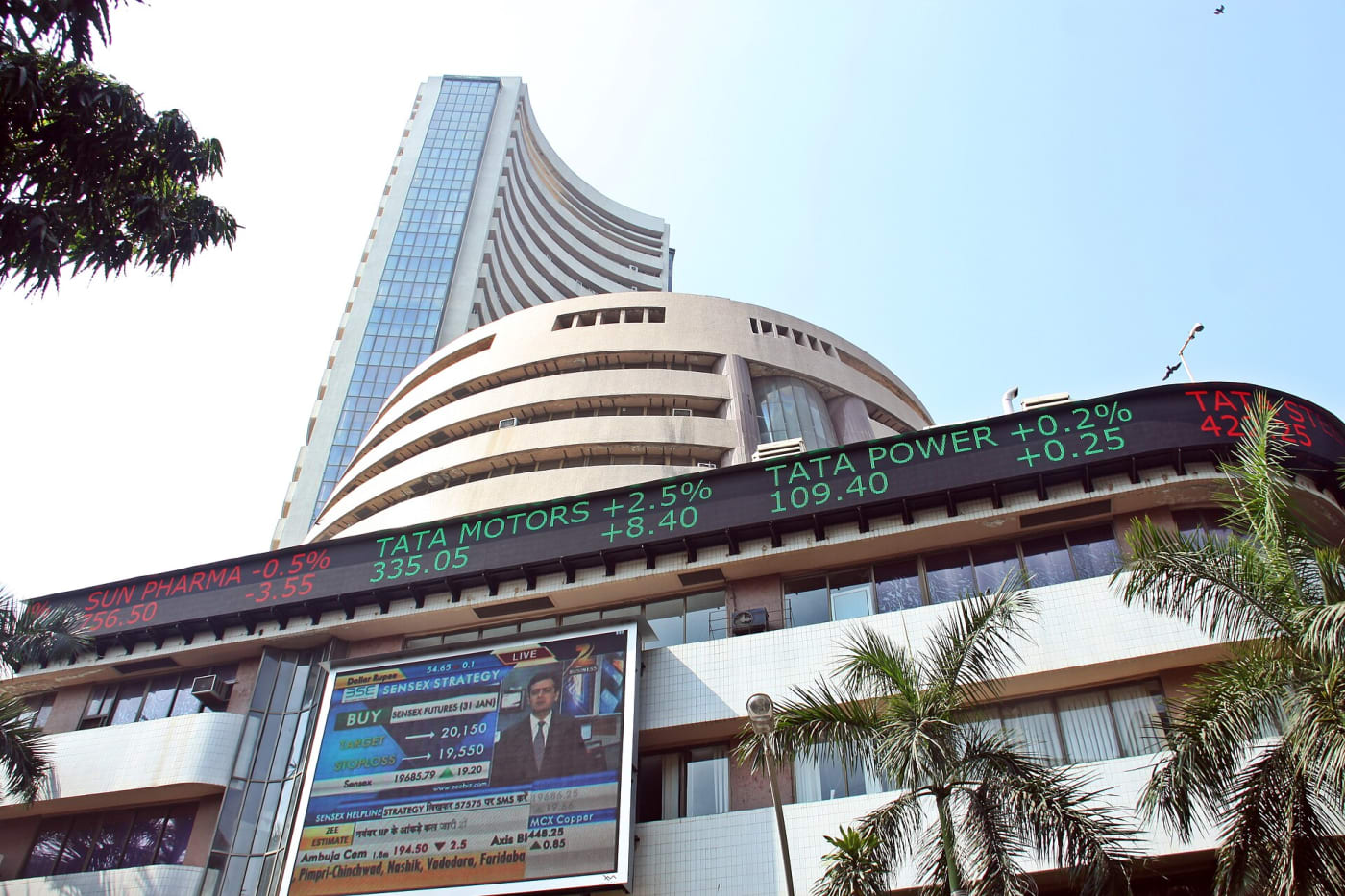
Indian companies raise money on two big exchanges — the BSE and NSE — where shares trade fully electronically and settle in a fast T+1 cycle, among the quickest in the world. The market regulator SEBI polices disclosure and fraud. The defining shift has been the arrival of retail investors: tens of millions of ordinary Indians now invest, many through automatic monthly SIPs into mutual funds, bringing steady domestic money into the market.
Outlook
India's total market capitalisation has crossed $5 trillion, among the world's five largest markets, and demat (share) accounts have multiplied to about 23.4 crore (July 2026). The next goal is turning this enthusiasm into steady, long-term wealth creation — with SIPs, investor-education drives and SEBI's strengthened derivatives safeguards helping first-time investors grow with India's companies.
By the numbers
~2.2 → ~23.4 crore demat accounts (2014→July 2026). NSE market cap up ~6x; market value $5 trillion+. Record monthly SIP inflows. Sources: NSDL, CDSL, SEBI.
Data current to: end of July 2026
Source: NSDL / CDSL via SEBI — total demat accounts (crore), 2014 to July 2026. SEBI Bulletin, August 2026: 23.4 crore demat accounts at the end of July 2026, with 4.6 crore at NSDL and 18.8 crore at CDSL. · link