In 2014 India's bio-economy was worth about $10 billion — a modest slice of a country better known for IT and generic pharma. Over the next decade it expanded more than sixteen-fold, to $165.7 billion in 2024, spanning bio-pharma, bio-agriculture, bio-industrial and bio-energy. In August 2024 the Cabinet approved the BioE3 policy to push the next leap.
Bio-economy · BioE3
Bio-economy · BioE3
India's bio-economy — biotech medicines, vaccines, bio-agriculture, bio-industrial products — grew more than sixteen-fold, from about $10 billion in 2014 to $165.7 billion in 2024, and $195.3 billion in 2025. The BioE3 policy, approved in August 2024, aims to make India a global bio-manufacturing hub. The counter shows that growth.
$195.3 bn
Bio-economy size (2025)
19.5x
Growth, 2014 → 2025
$300 bn
Target by 2030
Bio-economy (2014→2025)
| Year | Bio-economy size |
|---|---|
| 2014 | 10.0 $ bn |
| 2020 | 70.2 $ bn |
| 2021 | 80.0 $ bn |
| 2024 | 165.7 $ bn |
| 2025 | 195.3 $ bn |
| Dashed bars are years the source does not publish; the shape between published years is drawn, not measured. | |
2014
0.0$ bn
Bio-economy size
20142025
Since 2014
Added
+185.3 $ bn
2014
10.0 $ bn
2025
195.3 $ bn
Dashed bars are years the source does not publish; the shape between published years is drawn, not measured.
Why it matters Biology is becoming a manufacturing platform — engineered cells can make fuels, plastics, medicines and food more sustainably than fossil chemistry. BioE3 (Biotechnology for Economy, Environment and Employment) bets that India, already the 'pharmacy of the world', can lead this bio-revolution and reach a $300 billion bio-economy by 2030.
- India's bio-economy grew from ~$10 billion (2014) to $165.7 billion (2024) and $195.3 billion (2025).
- The BioE3 policy was approved by the Union Cabinet on 24 August 2024.
- It funds Biomanufacturing, Bio-AI hubs and biofoundries for high-performance bio-manufacturing.
- India targets a $300 billion bio-economy by 2030 and produces ~60% of the world's vaccines.
History
Notable milestone
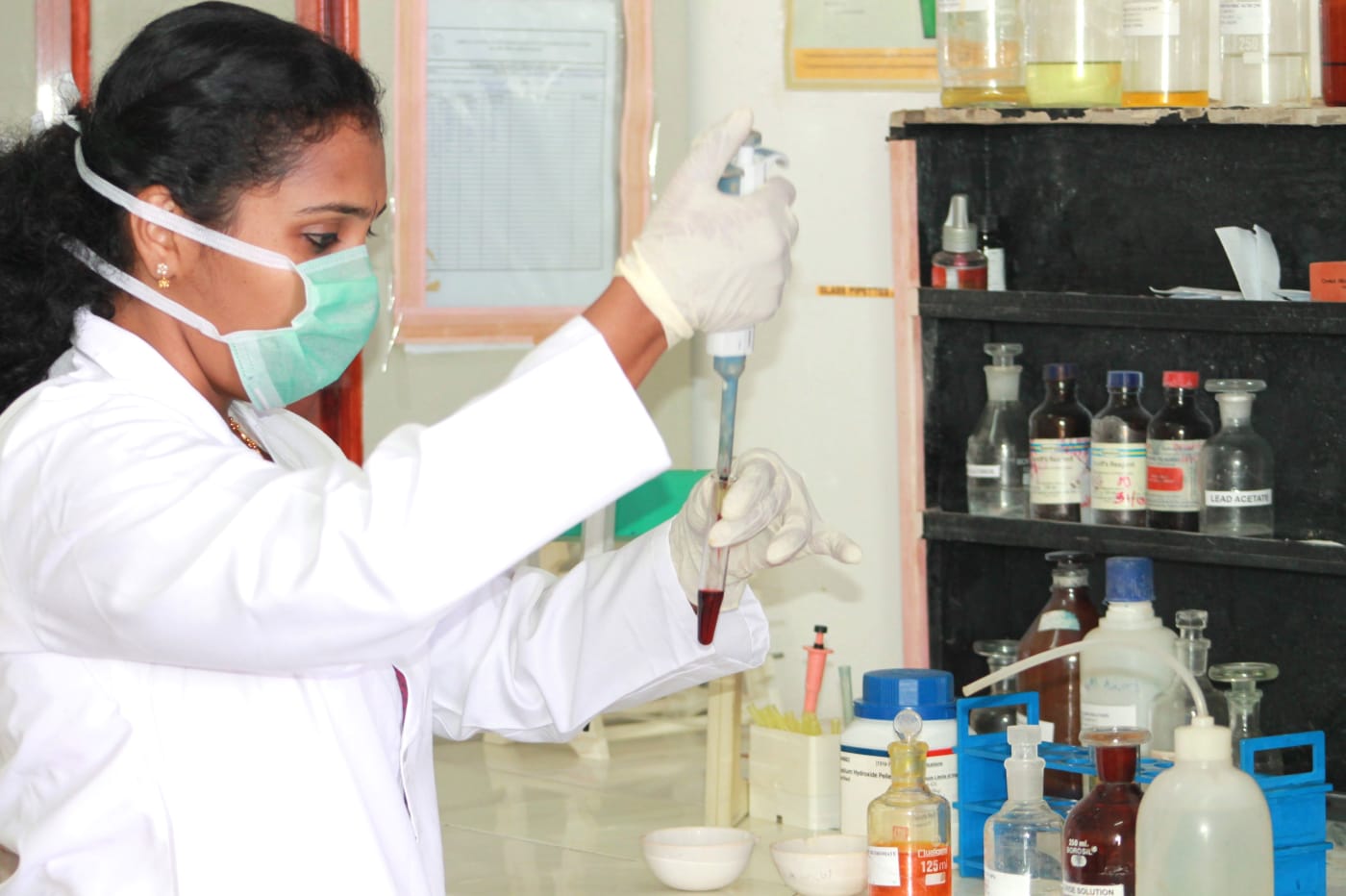
The BioE3 policy — Biotechnology for Economy, Environment and Employment — was approved on 24 August 2024. It moves India from doing biology in labs to manufacturing with biology at scale, via dedicated Biomanufacturing hubs, Bio-AI hubs and biofoundries. The number of biotech start-ups rose from 5,365 (2021) to 13,000 (2025).
How it works
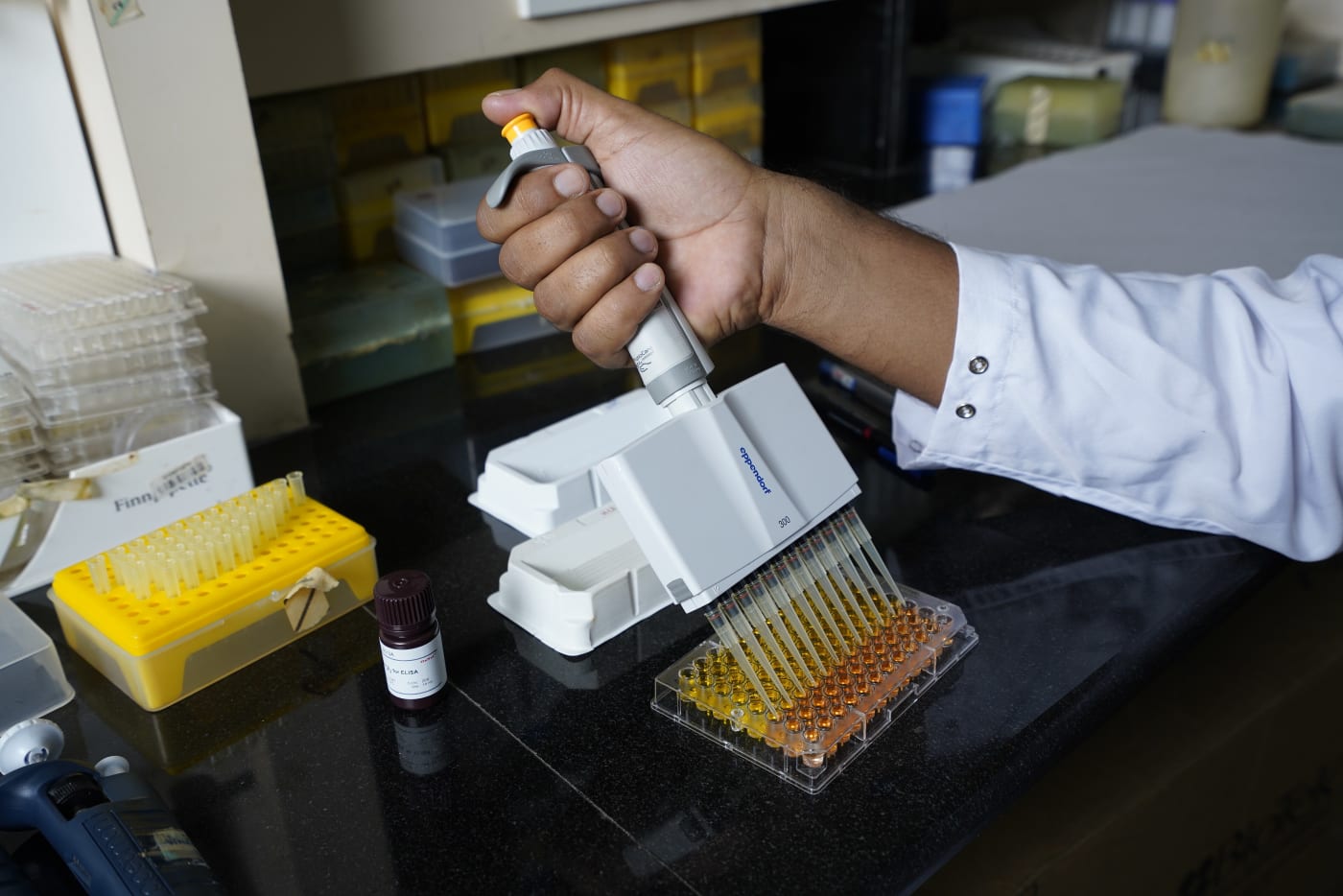
A biofoundry is like a factory for biology — engineered microbes and cells are designed, tested and scaled to produce fuels, chemicals, materials, medicines and foods. BioE3 backs R&D, start-ups and shared infrastructure across priority themes, so founders get 'plug-and-play' lab space instead of building it from scratch.
Outlook
The prize is both economic and green: bio-manufacturing can cut dependence on fossil-based chemistry, support 'net-zero' and circular-economy goals, and create high-skill jobs. India already makes about 60% of the world's vaccines, giving it a manufacturing base few countries can match.
By the numbers
$10 bn (2014) → $165.7 bn (2024) bio-economy — over 16x, and $195.3 bn in 2025. $300 bn target by 2030. 13,000 biotech start-ups (2025), up from 5,365 (2021). ~60% of the world's vaccines made in India. BioE3 approved 24 Aug 2024. Sources: Dept of Biotechnology, PIB.
Data current to: 2025, India BioEconomy Report 2026
Source: Dept of Biotechnology via PIB — India's bio-economy size (US$ billion); BioE3 policy (2024). PIB, March 2026: from about $10 billion in 2014 to $195.3 billion in 2025, per the India BioEconomy Report 2026 (linked); $165.7 billion in 2024. PIB, July 2022: $70.2 billion in 2020 and over $80 billion in 2021. Years without a published figure are left as gaps. · link