For decades, India's remote frontier regions — Ladakh, Lahaul-Spiti, Arunachal — were cut off for months each winter by snow-blocked passes. Over the past decade, a wave of tunnel and all-weather-road building changed that. The turning point was the Atal Tunnel (2020), at 9.02 km the world's longest highway tunnel above 10,000 feet, giving year-round access to the Lahaul valley.
Strategic & Border
Strategic & Border
India's border and high-altitude connectivity saw landmark engineering over the past decade. Long tunnels and all-weather roads now reach remote frontier regions that were once cut off for months each winter. This timeline traces the major tunnels and strategic-road milestones from 2020 onward.
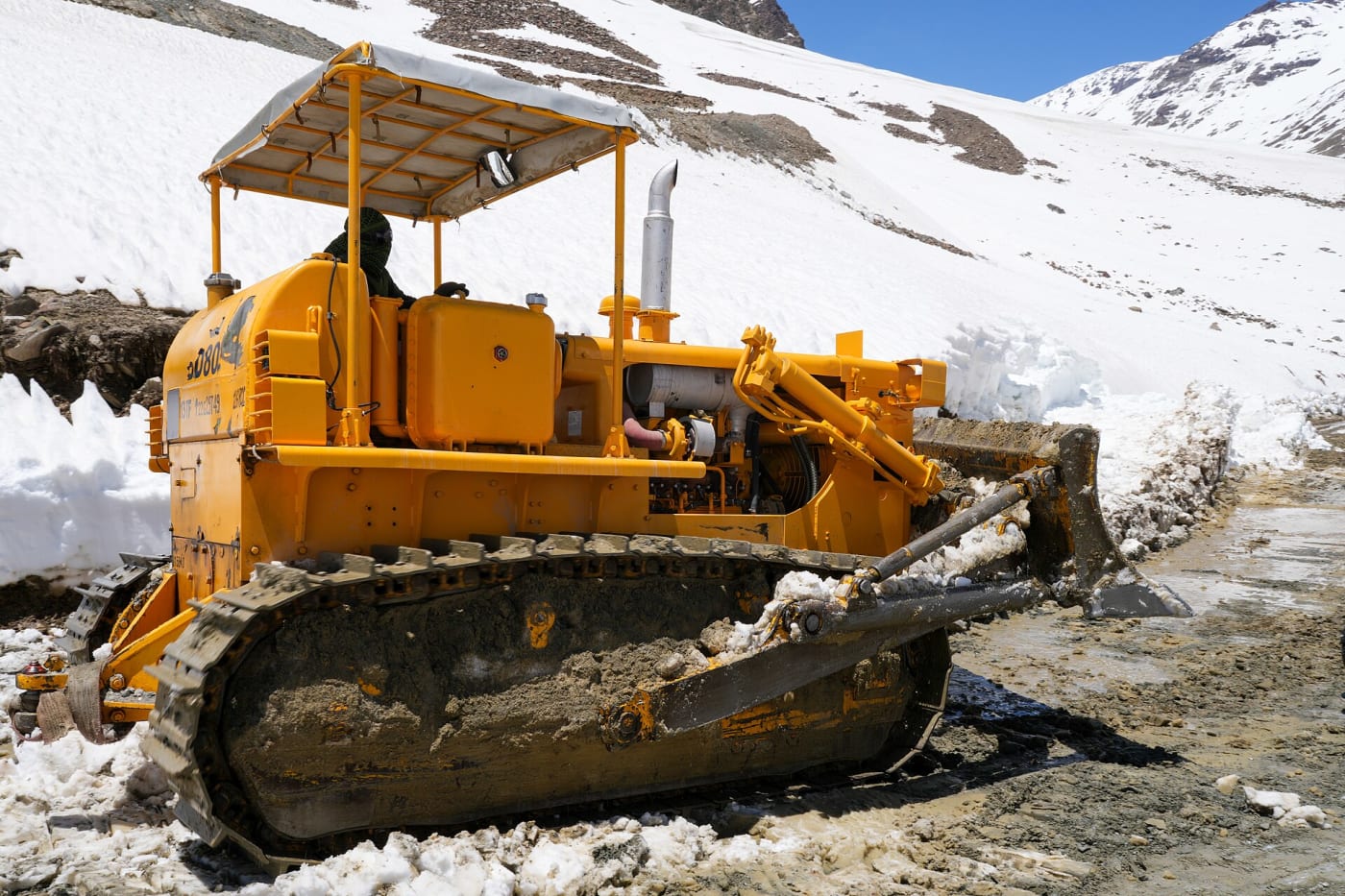
9.02 km
Atal Tunnel (2020)
13,000 ft
Sela Tunnel altitude (2024)
356
BRO projects dedicated (2024–25)
BRO border projects dedicated, 2024–2025
2020
Atal Tunnel opens
At 9.02 km, the world's longest highway tunnel above 10,000 ft — giving all-weather access to Lahaul-Spiti and cutting the Manali–Leh road by 46 km.
2021
World's highest motorable road
2022
Sela Tunnel excavation completes
2023
Vibrant Villages Programme
2024
Sela Tunnel inaugurated
2025
125 projects in one go
2026
Zojila Tunnel breaks through
2020
1milestones
20202026
Latest
Atal Tunnel opens
At 9.02 km, the world's longest highway tunnel above 10,000 ft — giving all-weather access to Lahaul-Spiti and cutting the Manali–Leh road by 46 km.
Why it matters All-weather access to border regions matters for both civilian life in remote areas and the rapid movement of supplies and forces.
- Atal Tunnel (2020): world's longest highway tunnel above 10,000 ft
- Sela Tunnel (2024): 13,000 ft, ₹825 crore, all-weather access to Tawang; 356 BRO projects dedicated in 2024–2025
- Source: Ministry of Defence / Border Roads Organisation; MoRTH (via PIB)
History
Notable projects
The Sela Tunnel in Arunachal Pradesh (2024) — one of the world's longest bi-lane road tunnels at this altitude — gave all-weather access to the Tawang sector near the northern border. The Border Roads Organisation recorded its highest-ever spending, ₹16,690 crore, in FY 2024-25 and dedicated 356 projects in 2024–2025, and work is advancing on the Zojila Tunnel (set to be Asia's longest bi-directional tunnel; its main tunnel broke through in June 2026) and the Shinku La tunnel, under construction since 2024, for year-round access to Ladakh.
How it works
Border infrastructure is built mainly by the Border Roads Organisation (BRO) — an army-linked agency that carves roads, tunnels and bridges through the Himalayas at extreme altitude. The work has two aims at once: military (moving troops and supplies to the frontier quickly) and civilian — the Vibrant Villages Programme develops villages along the northern border (662 villages, ₹4,800 crore), extended in 2025 to other land borders, so people don't migrate away, keeping the frontier populated and secure.
Outlook
The road ahead is steady building in some of the world's toughest terrain — flagship works like the Sela Tunnel (opened 2024, giving all-weather access toward the Arunachal frontier) show what is now possible. The goal is year-round connectivity along the entire frontier, built with care for the fragile Himalayan ecology, and roads, power and mobile links for border villages under the Vibrant Villages Programme.
By the numbers
Atal Tunnel (2020): 9.02 km, world's longest highway tunnel above 10,000 ft. Sela Tunnel (2024): 13,000 ft, ₹825 crore. 356 BRO projects dedicated (2024–2025); highest-ever BRO spending ₹16,690 crore (FY 2024-25). Zojila main tunnel broke through (June 2026); Shinku La under construction. Vibrant Villages: 662 northern-border villages (₹4,800 crore), and 1,954 more under VVP-II (₹6,839 crore). Sources: Ministry of Defence, Border Roads Organisation, MoRTH, MHA, PIB.
Data current to: Projects dedicated 2024–2025; milestones 2020–2026
Source: Ministry of Defence / Border Roads Organisation, PIB backgrounder of 19 January 2026 (linked) — 356 BRO infrastructure projects were dedicated to the nation in 2024 and 2025; BRO recorded its highest-ever expenditure, ₹16,690 crore, in FY 2024-25 and built around 4,595 km of roads in forward areas over FY 2020-21 to 2024-25. The Atal Tunnel (9.02 km) opened on 3 October 2020 and the Sela Tunnel (13,000 ft) was dedicated on 9 March 2024; the Zojila Tunnel is a Ministry of Road Transport project. Milestones 2020–2026. · link