The Pradhan Mantri Gram Sadak Yojana, running since 2000 and scaled up over the past decade, set out to give every eligible village an all-weather road. By December 2024 it had connected more than 99.6% of eligible habitations, and by 16 July 2026 1,62,876 habitations had been connected and 7,97,020 km of roads completed under all its verticals.
Rural Roads · PMGSY
Rural Roads · PMGSY
For millions in rural India, an all-weather road is the difference between isolation and access to markets, schools and hospitals. Under the Pradhan Mantri Gram Sadak Yojana (PMGSY), all-weather roads had reached more than 99.6% of eligible rural habitations by December 2024; by 16 July 2026, 1,62,876 habitations had been connected and 7,97,020 km of road completed under all its verticals since the scheme began in 2000.
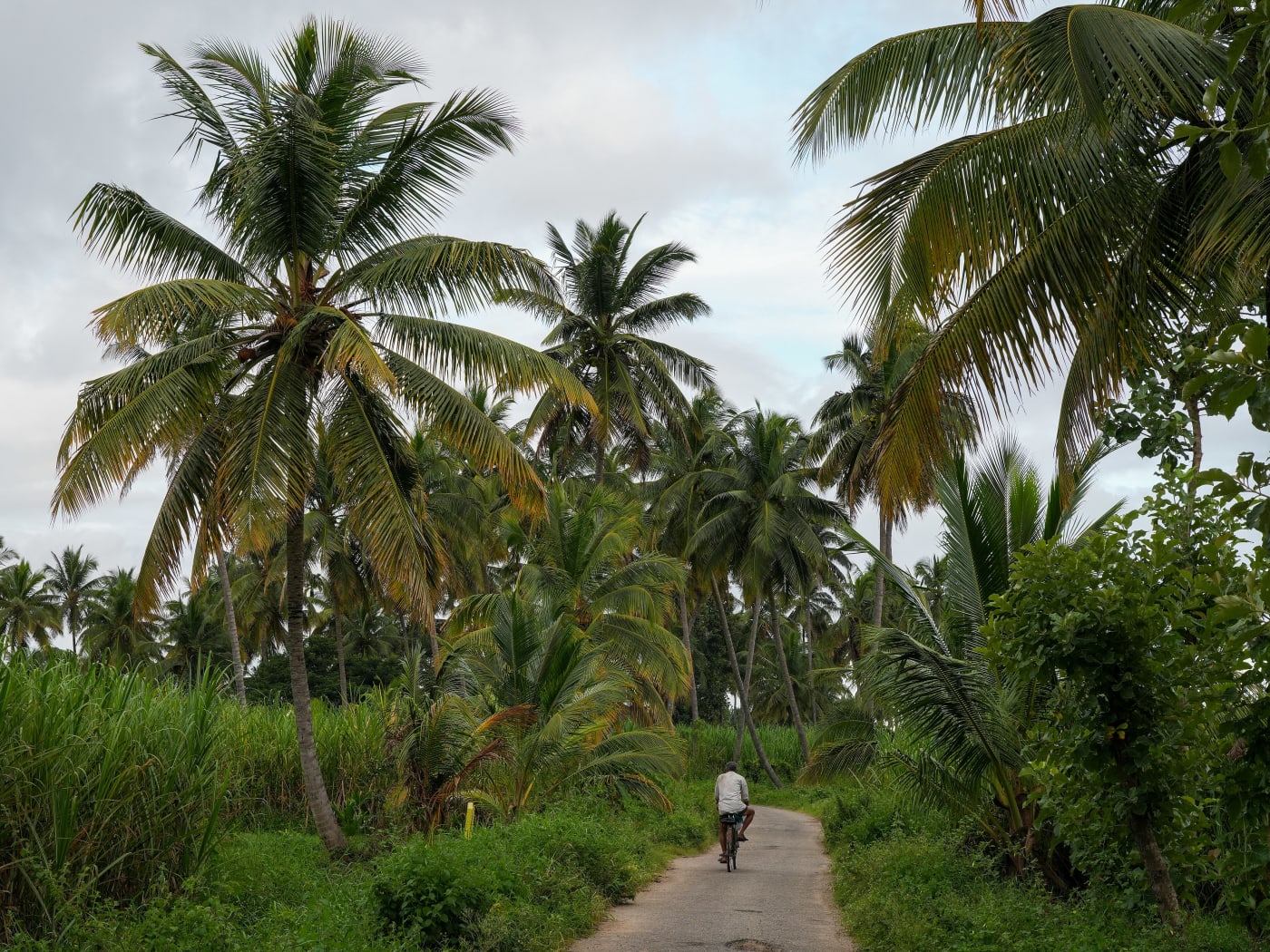
99.6%
Eligible habitations connected (Dec 2024)
7.97 lakh km
PMGSY roads completed since 2000 (July 2026)
all-weather
Road connectivity
Key milestones since 2014
2016
Roads for extremism-affected districts
2019
PMGSY-III approved
2021
PMGSY-I and II extended
2024
PMGSY-IV approved
2024
99.6% of habitations connected
2025
25 years, 7,87,520 km built
2026
PMGSY-III extended to 2028
2026
1,62,876 habitations, 7,97,020 km
2014
0milestones
20142026
Why it matters Rural road connectivity transforms village economies — raising farm incomes, school attendance and access to healthcare — and is one of the most cost-effective forms of development.
- Habitations connected: more than 99.6% of eligible habitations (December 2024)
- 1,62,876 habitations connected and 7,97,020 km of road completed under all PMGSY verticals (16 July 2026)
- Source: Ministry of Rural Development (PMGSY) via PIB
History
Notable impact
Studies consistently find rural roads among the highest-return development investments. A new all-weather road raises farm-gate prices, lifts school attendance (especially for girls), improves access to health facilities, and lets villagers commute to non-farm work. PMGSY-III (2019) consolidates 1,25,000 km of existing rural routes, and PMGSY-IV (2024) connects 25,000 habitations still without an all-weather road.
How it works
The Pradhan Mantri Gram Sadak Yojana (PMGSY) builds all-weather roads connecting isolated villages to the main network — roads that don't wash out in the monsoon. Habitations above a population threshold become eligible, a road is sanctioned and built to engineered standards, and later phases upgrade and consolidate the busiest rural routes linking villages to markets, schools and clinics.
Outlook
PMGSY has connected more than 99.6% of eligible habitations, with 7,97,020 km of rural roads completed since 2000 (July 2026) — a transformation in village access to markets, schools and healthcare. The newly approved PMGSY-IV (₹70,125 crore) targets 25,000 more unconnected habitations with 62,500 km. The ongoing task is durable quality, not just reach — better maintenance, and green construction using waste plastic and cold-mix technology.
By the numbers
99.6%+ eligible habitations connected (December 2024). 1,62,876 habitations connected and 7,97,020 km of PMGSY roads completed since 2000 (16 July 2026). PMGSY-III: 1,25,000 km consolidated; PMGSY-IV: 25,000 habitations, 62,500 km, ₹70,125 crore. Sources: Ministry of Rural Development via PIB.
Data current to: 16 July 2026 (Lok Sabha reply)
Source: Ministry of Rural Development (PMGSY) via PIB — eligible rural habitations (Census 2001 criteria) given all-weather road connectivity since the scheme began in 2000. PIB, December 2024: 1,62,742 habitations connected, more than 99.6% of those eligible. Lok Sabha reply of 21 July 2026: 1,62,876 habitations connected and 7,97,020 km of road completed under all PMGSY verticals as on 16 July 2026 (linked); that road length includes upgraded roads. The percentages published over the years use different bases, so no year-by-year chart is shown. · link