In February 2021, the Allocation of Business Rules were amended so that the Ministry of Road Transport and Highways would also handle ropeways and alternate mobility solutions. The Union Budget 2022-23 then announced the National Ropeways Development Programme, Parvatmala, in PPP mode, for difficult hilly areas and congested cities. The Budget said contracts for 8 ropeway projects of 60 km would be awarded in 2022-23. On 26 April 2022, an MoU with Himachal Pradesh listed 7 projects of 57.1 km at a total cost of ₹3,232 crore.
Ropeways · Parvatmala
Ropeways · Parvatmala
Parvatmala, the National Ropeways Development Programme, was announced in the Union Budget 2022-23 to build ropeways in hilly areas and congested cities in public-private partnership. It is implemented by National Highways Logistics Management Limited (NHLML), a company wholly owned by the National Highways Authority of India. The programme aims at over 250 ropeway projects covering 1,200 km within five years. As of December 2025, 5 projects of 11.01 km were under implementation, and the Kedarnath and Hemkund Sahib ropeways had been awarded.
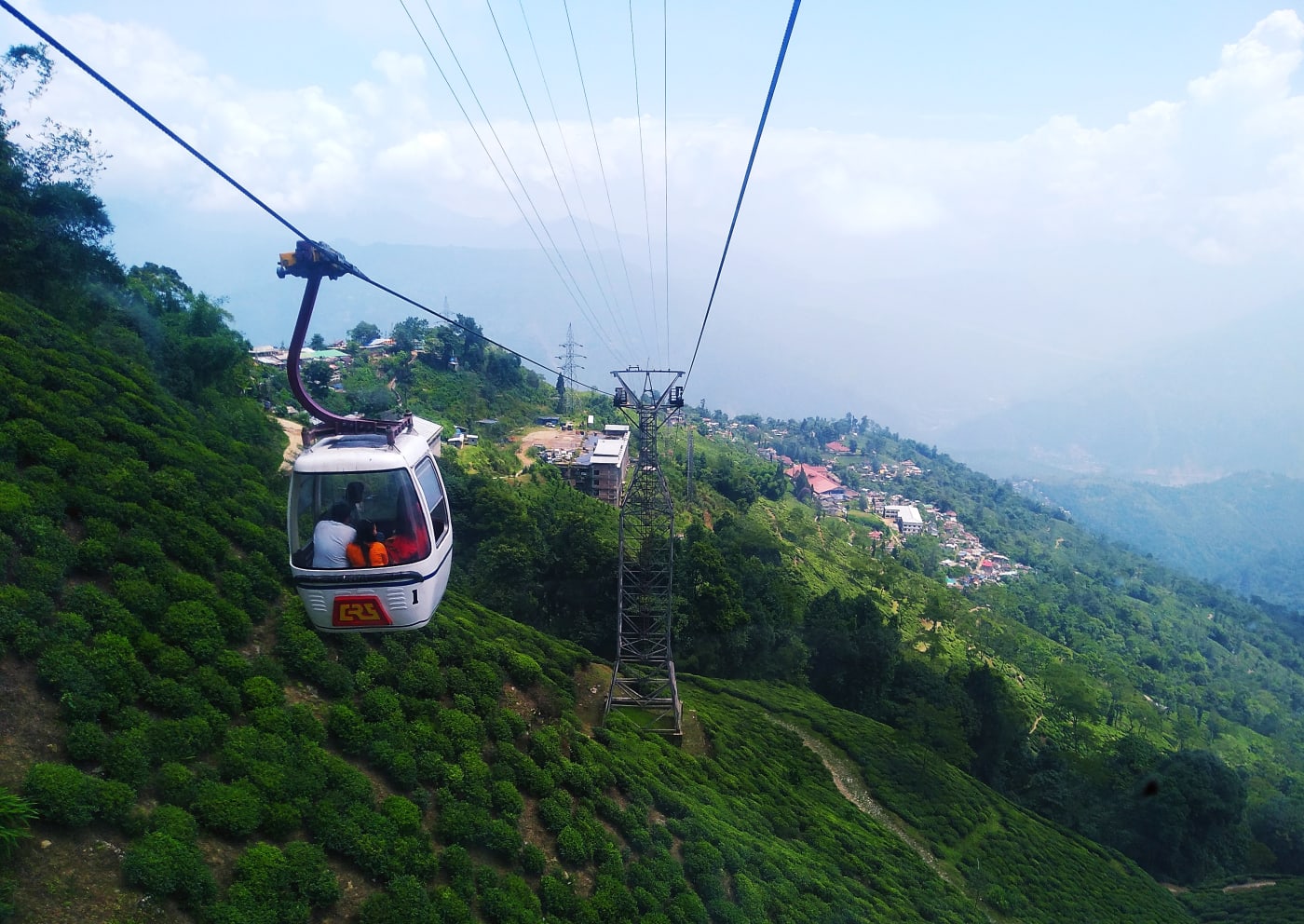
25.45 km
2 projects awarded on DBFOT, Kedarnath and Hemkund Sahib (December 2025)
₹4,081.28 cr
Sonprayag–Kedarnath ropeway capital cost (March 2025)
1,200 km
Programme aim, over 250 projects in five years (March 2025)
Ropeways under implementation, 5 projects (December 2025)
2021
Ropeways assigned to the Road Transport Ministry
In February 2021, the Allocation of Business Rules were amended so that the Ministry of Road Transport and Highways also handles the development of ropeways and alternate mobility solutions.
2022
Parvatmala announced in Budget 2022-23
2022
Himachal Pradesh MoU for 7 ropeways
2023
Foundation stone for the Varanasi urban ropeway
2024
First two Parvatmala projects awarded
2025
Cabinet approves Sonprayag–Kedarnath ropeway
2025
Cabinet approves Govindghat–Hemkund Sahib Ji ropeway
2025
11.01 km under implementation
2021
1milestones
20212025
Latest
Ropeways assigned to the Road Transport Ministry
In February 2021, the Allocation of Business Rules were amended so that the Ministry of Road Transport and Highways also handles the development of ropeways and alternate mobility solutions.
Why it matters In mountains, a ropeway can run in a straight line over terrain where roads need long, winding routes, and it needs only narrow supports on the ground. In March 2025, the route to Kedarnath was a 16-km uphill trek from Gaurikund; the approved ropeway is designed to cut the one-way journey from Sonprayag to about 36 minutes.
- Parvatmala announced in the Union Budget 2022-23 (February 2022)
- Programme aim: over 250 ropeway projects covering 1,200 km within five years (March 2025)
- Sonprayag–Kedarnath ropeway, 12.9 km, ₹4,081.28 crore, approved 5 March 2025
- Govindghat–Hemkund Sahib Ji ropeway, 12.4 km, ₹2,730.13 crore, approved 5 March 2025
- Varanasi Cantt–Godowlia urban ropeway foundation stone laid on 24 March 2023
- 2 ropeway projects of 1.69 km at an advanced stage of award (December 2025)
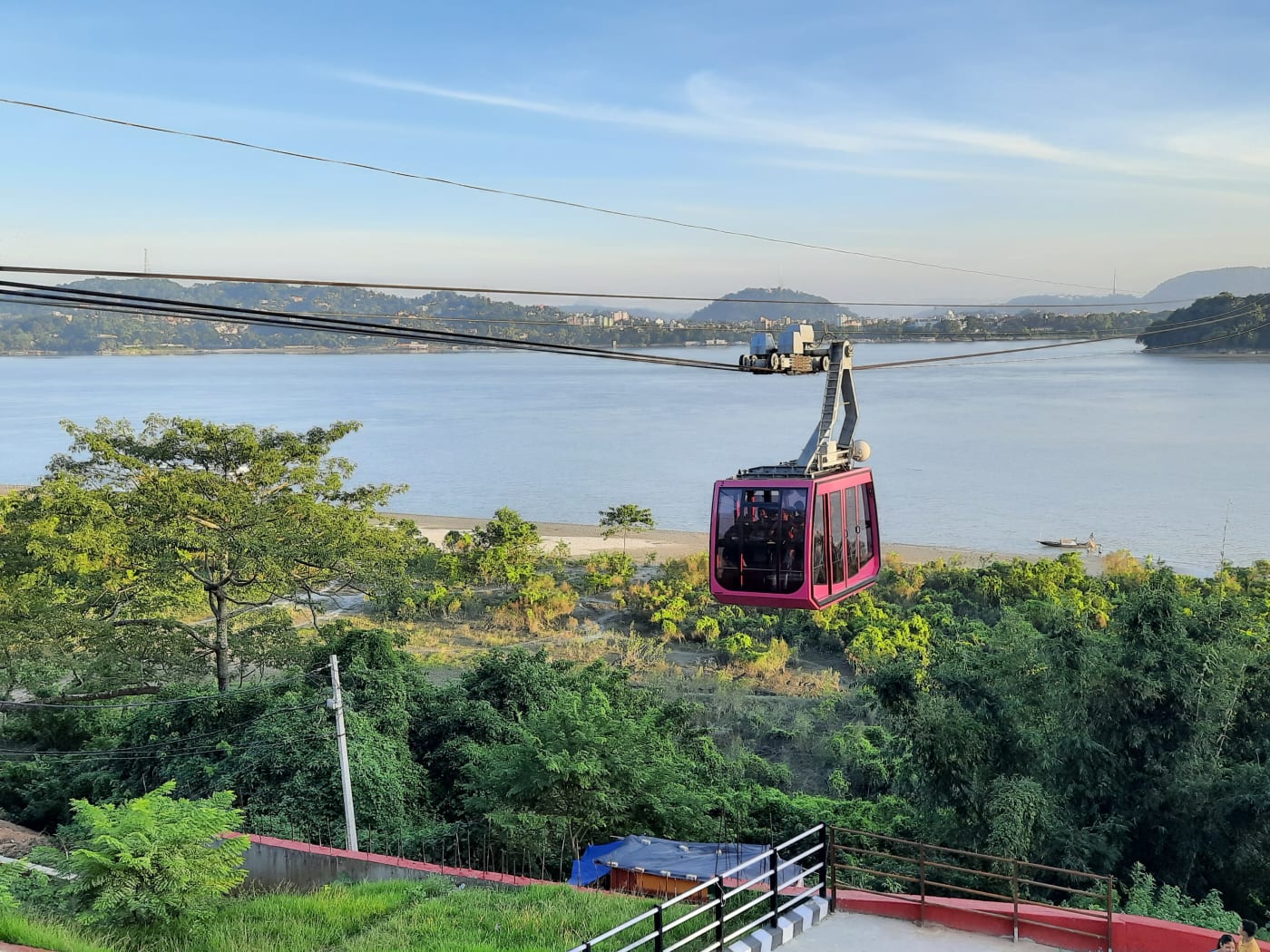
History
Notable milestone
On 5 March 2025, the Cabinet Committee on Economic Affairs approved the two largest Parvatmala projects so far, both in Uttarakhand. The 12.9 km Sonprayag–Kedarnath ropeway, at ₹4,081.28 crore, uses tri-cable detachable gondola (3S) technology for 1,800 passengers per hour per direction. The 12.4 km Govindghat–Hemkund Sahib Ji ropeway, at ₹2,730.13 crore, is designed for 11,000 passengers a day. Both are to be built on a design-build-finance-operate-transfer basis in public-private partnership.
How it works
NHLML, a company wholly owned by NHAI, has been mandated by the Ministry to implement ropeways, working with States that sign MoUs; by March 2025 MoUs had been signed with 13 States and Union Territories. Smaller projects are built on the hybrid annuity mode, where the government provides 60% construction support, compared with 40% for National Highways. The two Uttarakhand pilgrimage ropeways follow the DBFOT model instead. The programme requires at least 50% indigenous components in ropeway construction.
Outlook
The programme aims at over 250 ropeway projects covering 1,200 km within five years, far beyond the 11.01 km under implementation in December 2025. At that time, 2 more projects of 1.69 km, at Ramtek Gad Temple in Maharashtra and Shankaracharya Temple in Jammu and Kashmir, were at an advanced stage of award. Proposals for Kamakhya Temple in Assam and Brahmagiri–Anjaneri in Maharashtra had been submitted for approval. Tawang Monastery–PT Tso Lake and Kathgodam–Hanuman Garhi were at the feasibility stage.
By the numbers
11.01 km, 5 projects under implementation (December 2025). 25.45 km, 2 projects awarded on DBFOT (December 2025). ₹4,081.28 crore Sonprayag–Kedarnath, 12.9 km (March 2025). ₹2,730.13 crore Govindghat–Hemkund Sahib Ji, 12.4 km (March 2025). ₹645 crore estimated cost, Varanasi urban ropeway (March 2023). 1,200 km programme aim in five years. Sources: Ministry of Road Transport and Highways and Cabinet decisions, via PIB.
Data current to: as of December 2025
Source: Ministry of Road Transport and Highways via PIB — a timeline of the National Ropeways Development Programme (Parvatmala), from the February 2021 change that made the Ministry responsible for ropeways to the Year End Review of 30 December 2025 (linked). That review is the headline's source: 5 ropeway projects of 11.01 km under implementation on the hybrid annuity model (HAM), and 2 projects of 25.45 km awarded on a design-build-finance-operate-transfer (DBFOT) basis. No official year-by-year series of ropeway km exists, so no chart is shown. · link