One number came to symbolise India's highway push: kilometres built per day. National highway construction accelerated from about 12 km a day in 2014-15 to a peak of 36.5 km a day in 2020-21 — about three times the earlier rate — and was 29.2 km a day in 2024-25.
Road Construction Pace
Road Construction Pace
The pace of national highway construction rose from about 11.6 km per day in 2013–14 to a peak of 36.5 km per day in 2020–21, and was 29.2 km per day in 2024–25. The counter shows the average kilometres built per day each year.
29.2 km/day
Highway construction pace (2024-25)
36.5 km/day
Peak pace (2020-21)
91k → 146k
National highways (km)
NH built per day
| Year | NH built per day |
|---|---|
| 2014 | 11.6 km / day |
| 2015 | 12.1 km / day |
| 2016 | 16.6 km / day |
| 2017 | 22.6 km / day |
| 2018 | 26.9 km / day |
| 2019 | 29.7 km / day |
| 2020 | 28.1 km / day |
| 2021 | 36.5 km / day |
| 2022 | 28.6 km / day |
| 2023 | 28.3 km / day |
| 2024 | 33.8 km / day |
| 2025 | 29.2 km / day |
2014
0.0km / day
NH built per day
20142025
Since 2014
Added
+17.6 km / day
2014
11.6 km / day
2025
29.2 km / day
Why it matters A faster build rate means the highway network expands and upgrades far more quickly than before.
- Construction pace: 12.1 km/day (2014-15) → 36.5 peak (2020-21) → 29.2 (2024-25)
- Enabled by programmes like Bharatmala and PM Gati Shakti
- Source: MoRTH via PIB
History
Notable projects
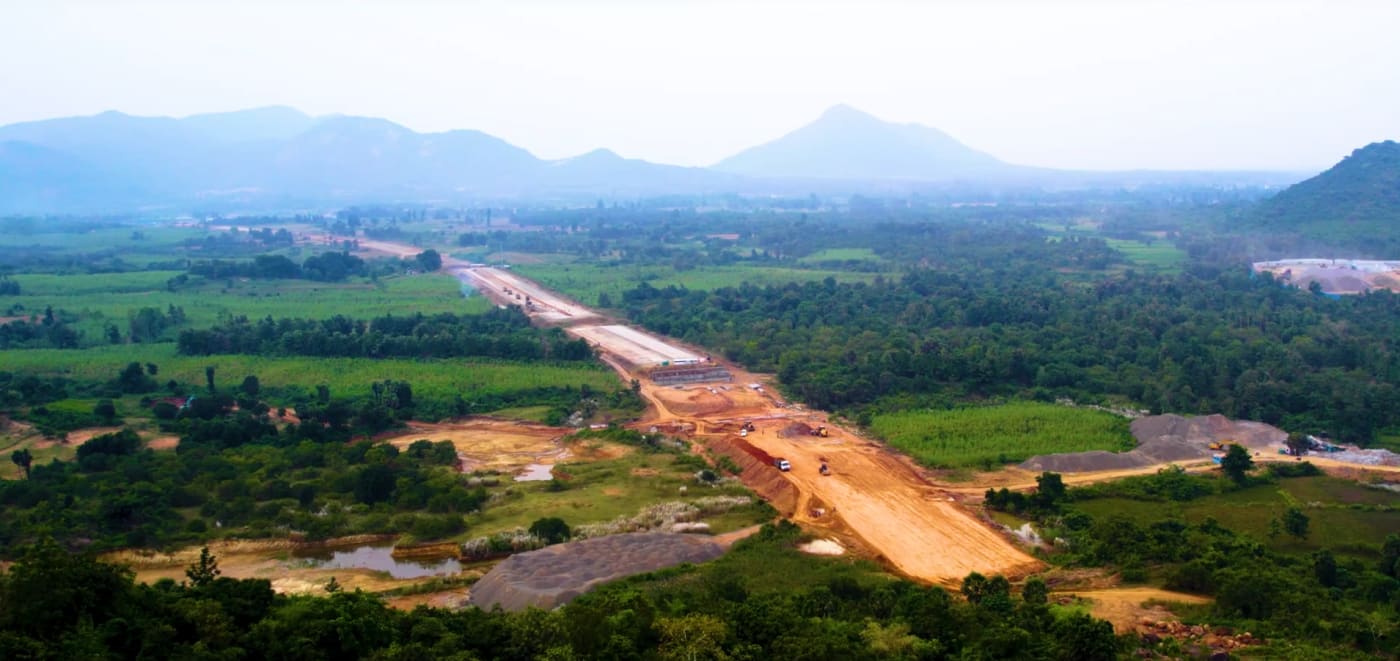
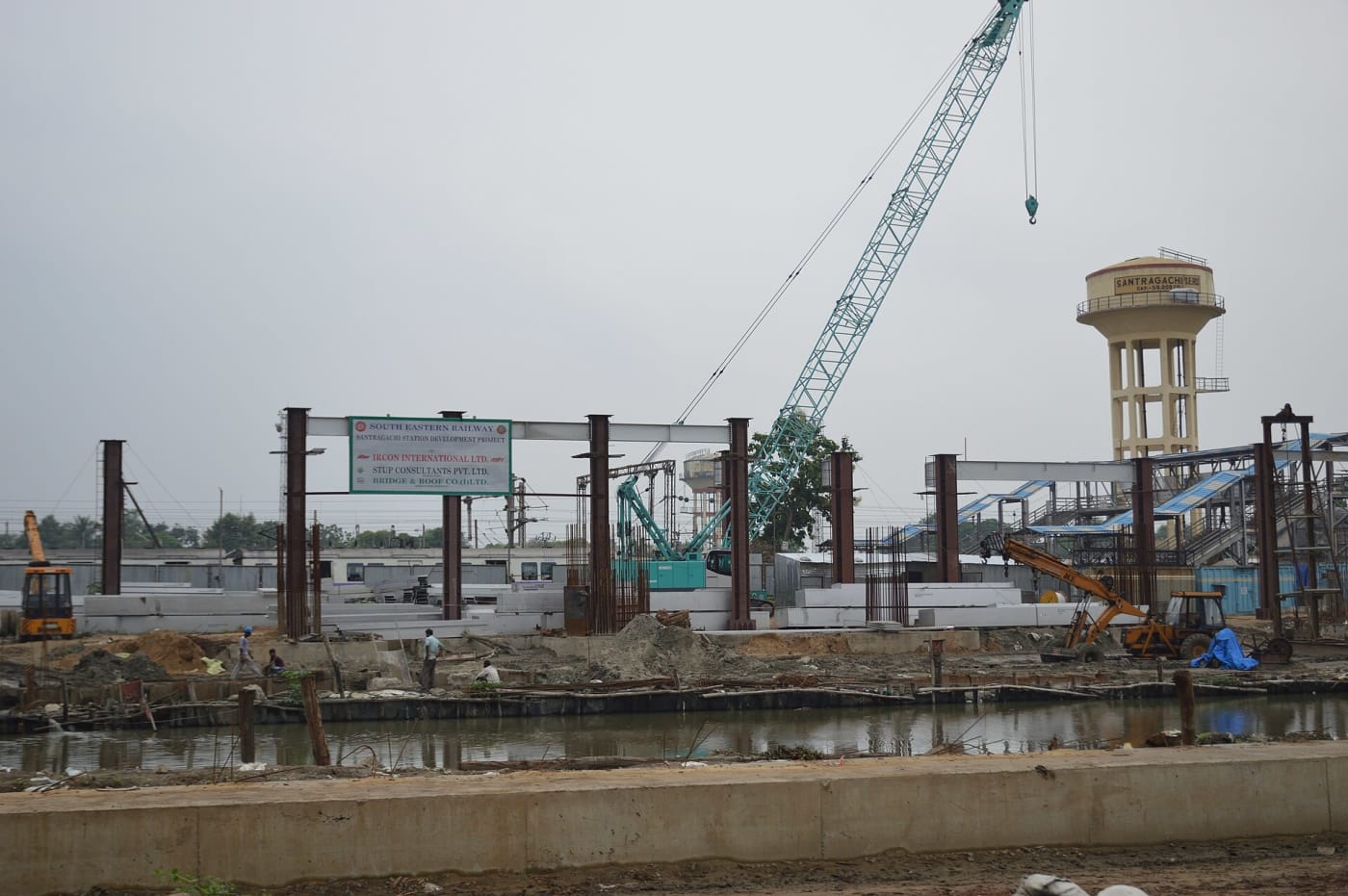
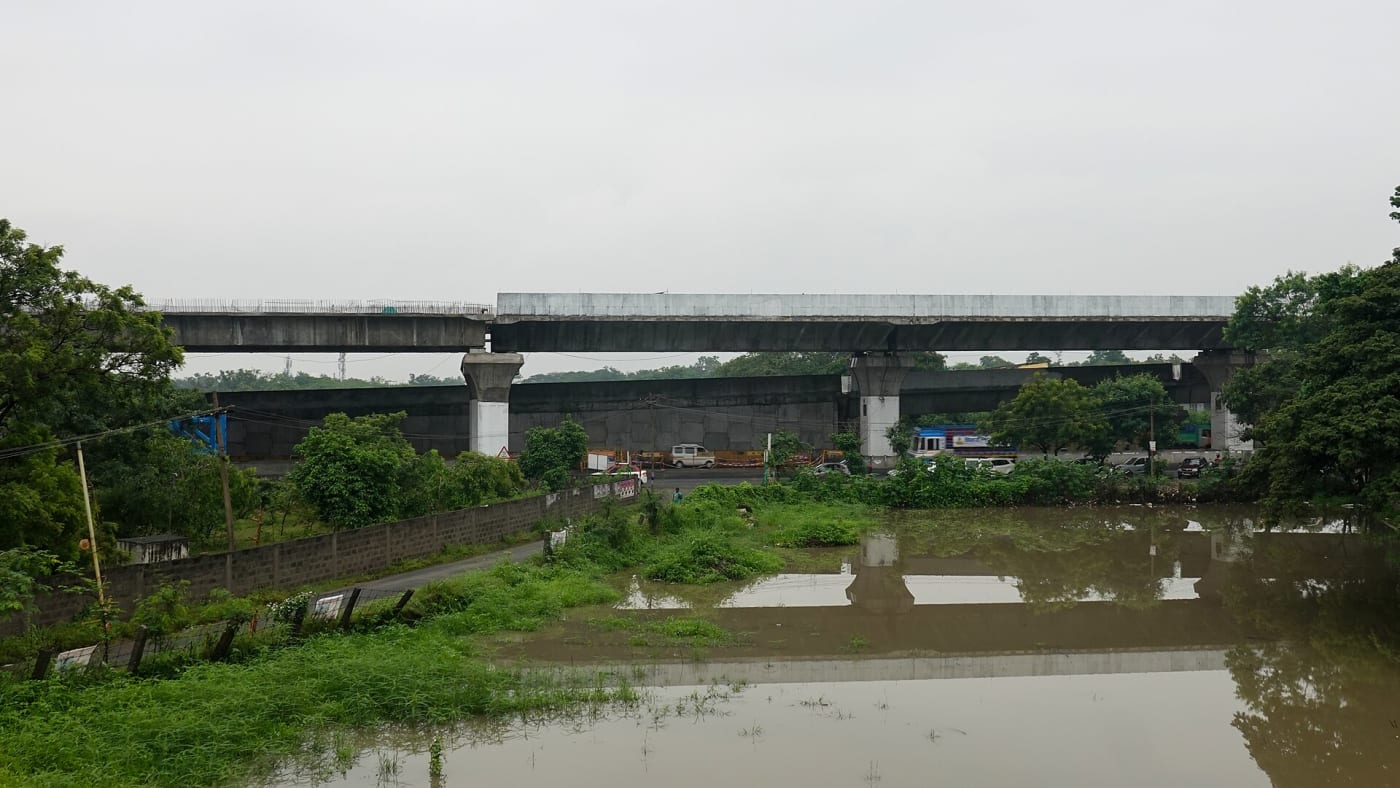
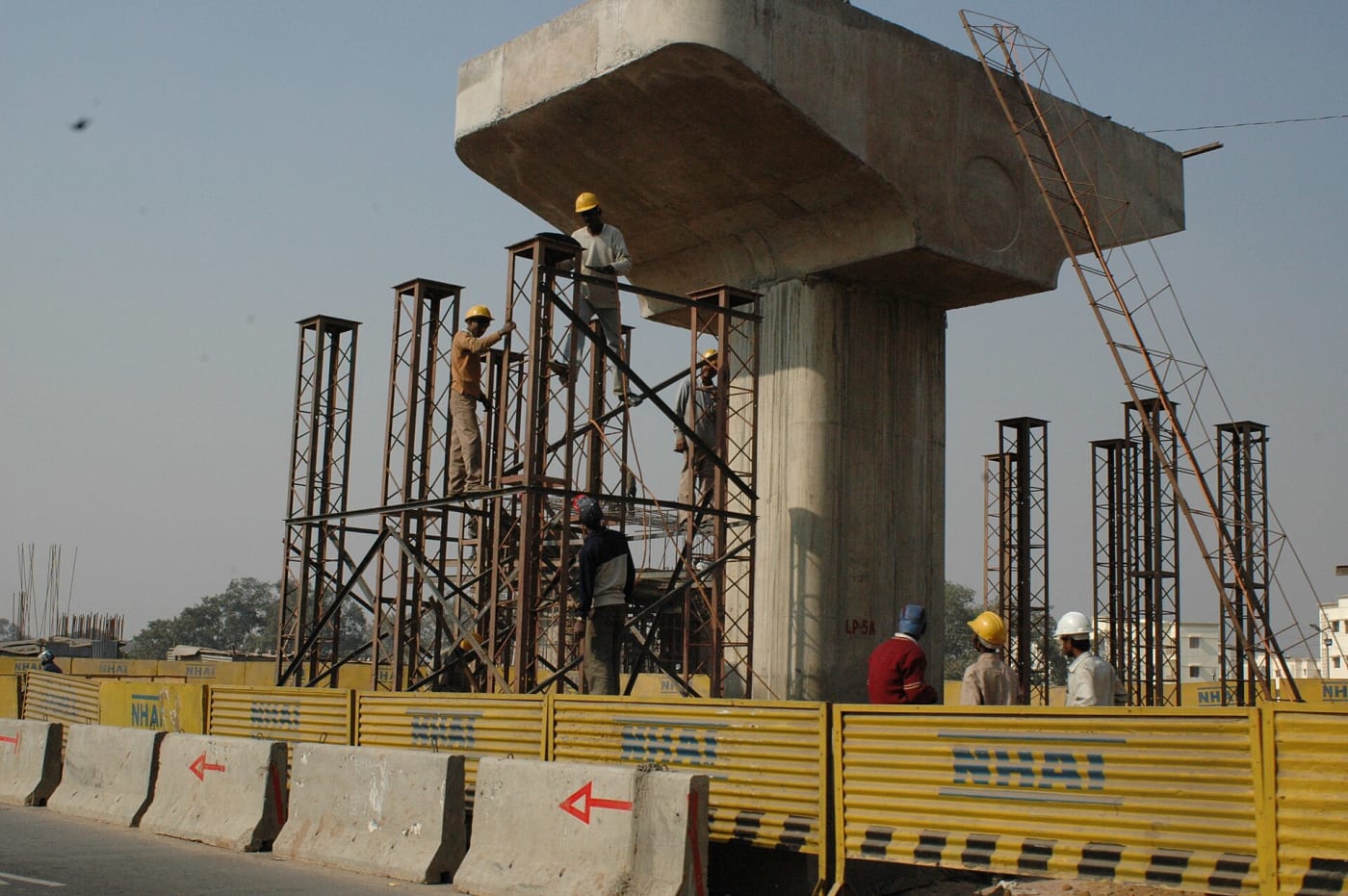
The acceleration came from Bharatmala Pariyojana, streamlined land acquisition, and a mix of contracting models (EPC, hybrid-annuity and BOT) that spread financing risk. Technology helped too — GPS-based monitoring and drone surveys shortened timelines and improved oversight across thousands of simultaneous projects.
How it works
'Pace' — kilometres of highway built per day — became the headline measure of India's road push. It's driven by contracting models that spread risk: EPC (government pays, contractor builds), BOT (builder operates and tolls), and HAM (hybrid), plus faster land acquisition and clearances under Bharatmala. More money and streamlined approvals let hundreds of projects run at once, pushing the daily average up.
Outlook
Construction accelerated from about 11.6 km a day in 2013-14 to a peak of 36.5 km/day in 2020-21, while the national highway network grew from 91,287 km in 2014 to 1,46,572 km by March 2026 and ministry investment in roads rose 6.4 times between 2013-14 and 2024-25. The next step is matching pace with completion and quality — finishing delayed stretches, maintaining what's built, and closing out big economic corridors and expressways rather than only breaking ground on new ones.
By the numbers
12.1 → 29.2 km/day construction pace (2014-15 → 2024-25). 36.5 km/day peak (2020-21). 10,660 km built in 2024-25. Enabled by Bharatmala, EPC/HAM contracting, and digital monitoring. Sources: MoRTH via PIB.
Data current to: FY 2024-25
Source: Ministry of Road Transport and Highways via PIB — national highways constructed per day (construction, not awards), by financial year. PIB, December 2025: 12.1 km/day in 2014-15, a peak of 36.5 in 2020-21, 33.83 in 2023-24 and 29.21 (10,660 km) in 2024-25 (linked); 11.6 km/day in 2013-14 from PIB, June 2025. · link