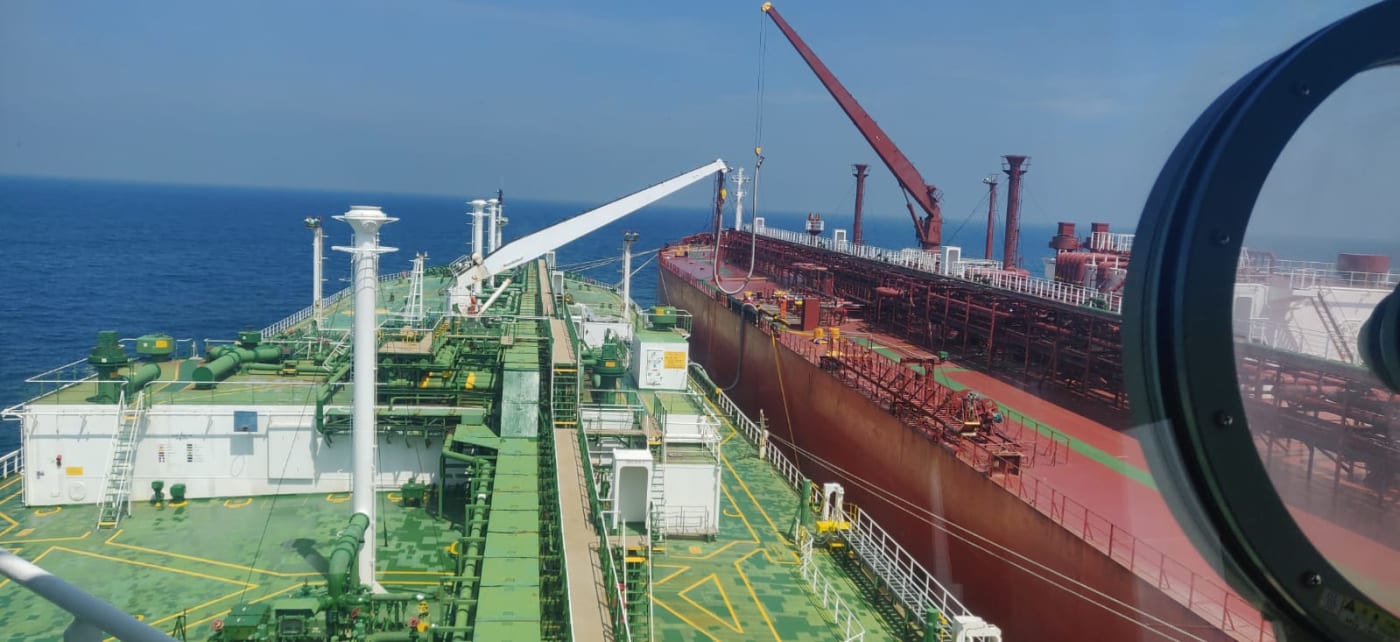
For decades India's ports were congested and under-invested, adding days and cost to trade. The turnaround came with Sagarmala, launched in 2015 — a ₹5.8 lakh crore programme of some 840 projects to modernise ports, improve their rail and road links, and build coastal industrial hubs. Major-ports cargo capacity roughly doubled, from 800.5 MMTPA in 2014 to 1,630 MMTPA by March 2024.
Ports & Waterways
Ports & Waterways
India's major ports were built to move far less cargo than the country now trades. Over the past decade, cargo-handling capacity at the major ports roughly doubled, from 800.5 MMTPA in 2014 to 1,630 MMTPA by March 2024 (PIB, December 2024), as the Sagarmala programme rebuilt and connected the coastline. The counter shows major-ports capacity in million tonnes per annum.
≈800 → 1,630
Major ports capacity (MMTPA)
₹5.8 lakh cr
Sagarmala investment
1.65 BT
Total cargo (FY24)
Major ports capacity (MMTPA)
| Year | Major ports capacity |
|---|---|
| 2014 | 801 MMTPA |
| 2015 | 871 MMTPA |
| 2016 | 965 MMTPA |
| 2017 | 1,065 MMTPA |
| 2018 | 1,359 MMTPA |
| 2019 | 1,452 MMTPA |
| 2020 | 1,535 MMTPA |
| 2021 | 1,560 MMTPA |
| 2022 | 1,598 MMTPA |
| 2023 | 1,617 MMTPA |
| 2024 | 1,630 MMTPA |
2014
0MMTPA
Major ports capacity
20142024
Since 2014
Added
+830 MMTPA
2014
801 MMTPA
2024
1,630 MMTPA
Why it matters Around 95% of India's trade by volume and about 70% by value moves by sea, so port capacity and efficiency directly shape export competitiveness and logistics costs.
- Major ports capacity: 800.5 MMTPA (2014) → 1,630 MMTPA (March 2024); on the different base in PIB's June 2026 backgrounder, 873 → 1,726 MMTPA (2014 → 2026)
- Sagarmala: ₹5.8 lakh crore across ~840 projects
- Source: Ministry of Ports, Shipping & Waterways
History
Notable projects
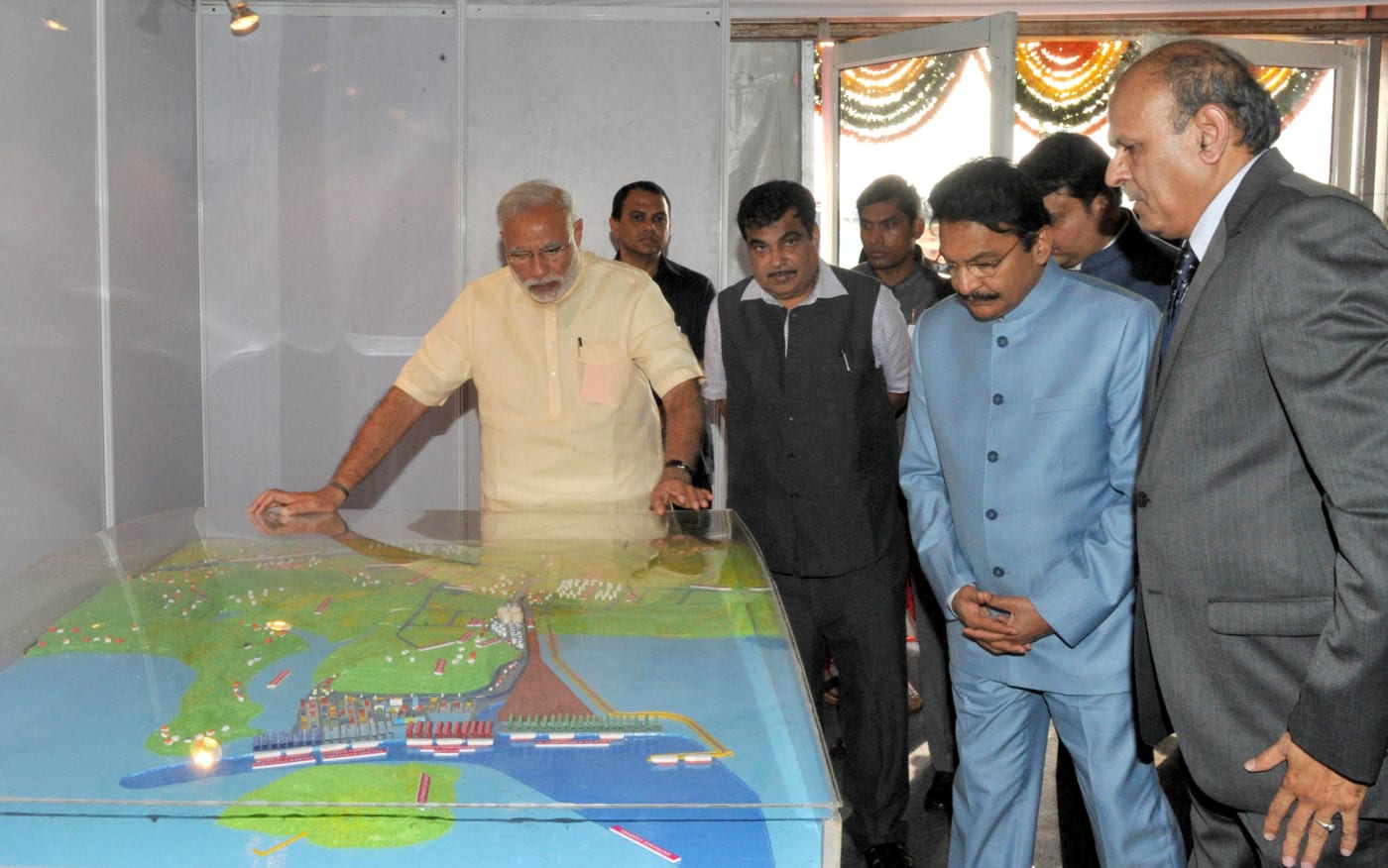
Two projects stand out. Vizhinjam in Kerala — India's first deep-water transshipment port, with an 18-metre natural draft on the busy east–west shipping lane — lets India capture container traffic that once went to Colombo or Singapore. The ₹76,220 crore Vadhavan greenfield port in Maharashtra will be among India's largest. Inland waterways moved 145.84 million tonnes in FY 2024-25.
How it works
India's coastline has major ports run by the central government alongside a growing set of large private ports (like Mundra). Cargo capacity has been expanded and turnaround times sharply cut under the Sagarmala programme, which links ports to road and rail so goods move faster. A parallel push develops inland waterways — shifting bulk cargo onto rivers like the Ganga through the National Waterways, far cheaper and greener than trucking.
Outlook
Total capacity across all Indian ports, major and non-major, has nearly doubled from 1,400 to 2,762 MMTPA (PIB, October 2025), and average vessel turnaround time has fallen from 94 hours to 48.8 hours (PIB, June 2026). The next phase, Sagarmala 2.0, targets deeper mega-ports, more coastal shipping and green-hydrogen hubs at ports, while inland-waterway cargo (already up several-fold) is pushed further to take trucks off the road.
By the numbers
800.5 → 1,630 MMTPA major-ports capacity (2014→March 2024); 873 → 1,726 MMTPA (2014→2026) on the different base in PIB's June 2026 backgrounder; 2,762 MMTPA across all Indian ports (Oct 2025). ₹5.8 lakh crore Sagarmala, ~840 projects. 1.65 billion tonnes total cargo (FY24). 145.84 MMT inland-waterways cargo (FY 2024-25). Sources: MoPSW, Sagarmala, IWAI.
Data current to: as of March 2024
Source: Ministry of Ports, Shipping & Waterways via PIB — major ports cargo-handling capacity (MMTPA), 2014 to March 2024. PIB: capacity doubled to 1,630 MTPA by March 2024, from 800.5 MTPA in 2014 (linked); 1,617.39 MTPA as on March 2023. A PIB backgrounder of June 2026 uses a different 2014 base: major port capacity rose from 873 MMTPA in 2014 to 1,726 MMTPA in 2026. The two series are not combined, so the chart stops at March 2024. · link