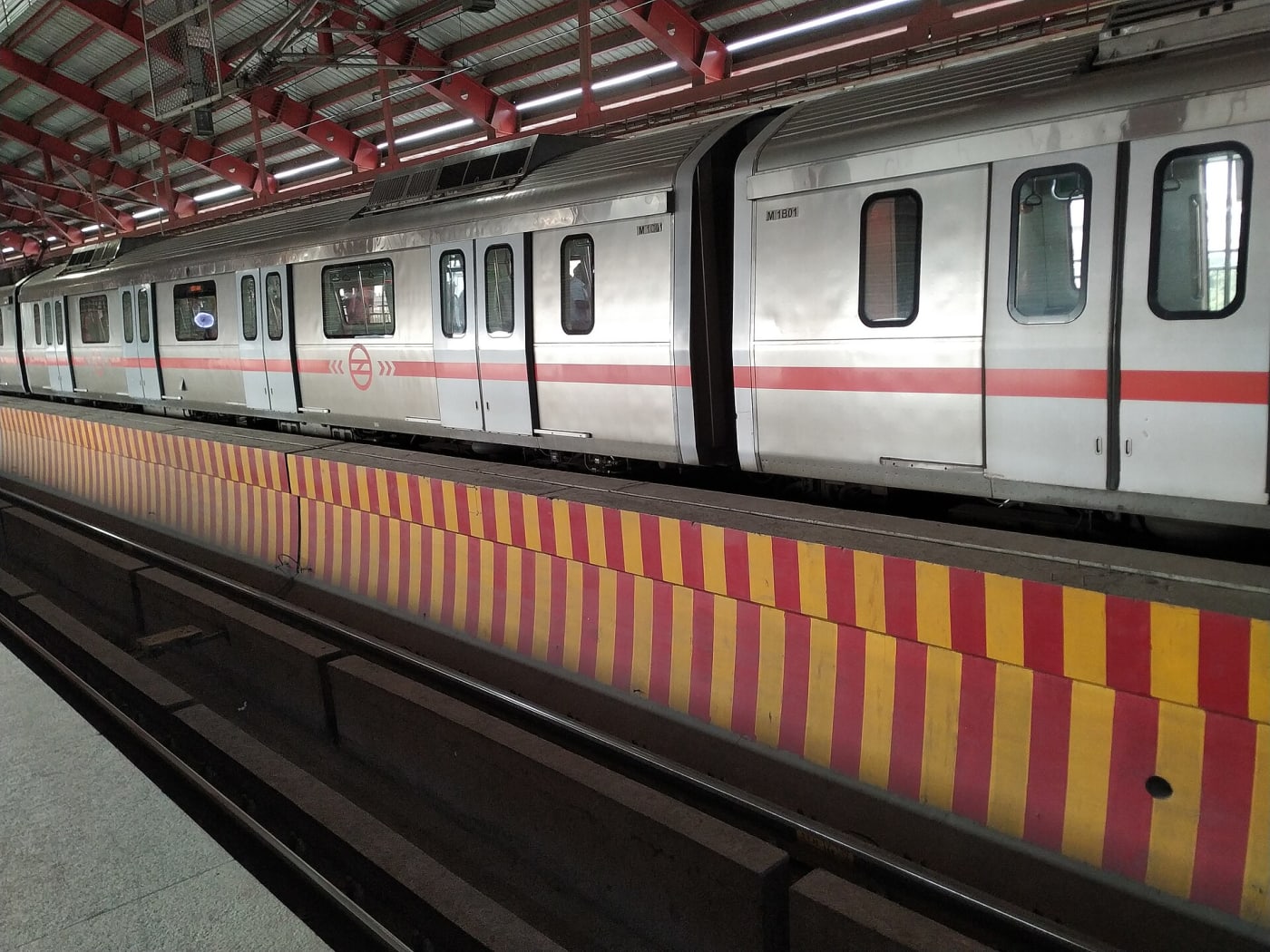
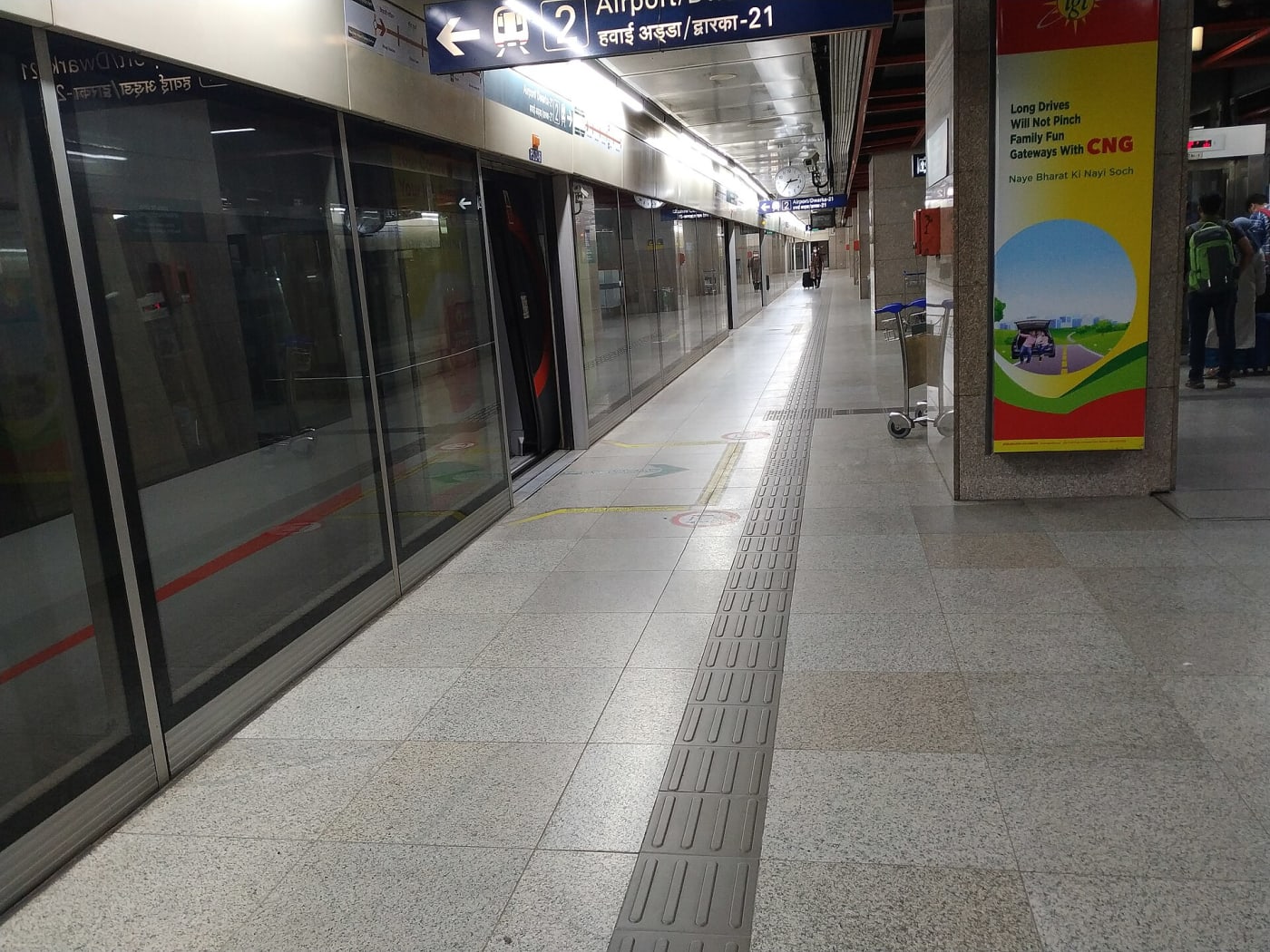
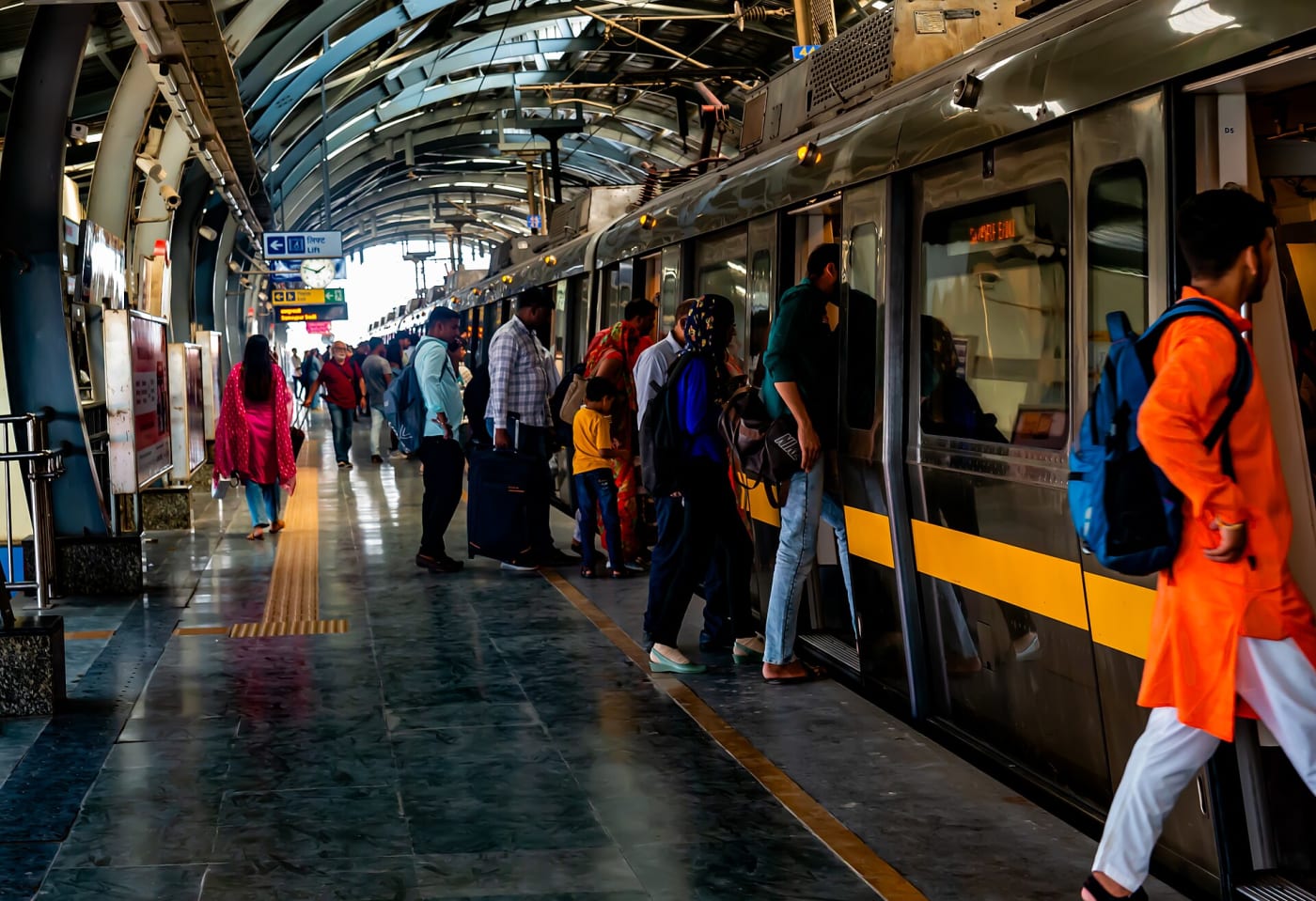
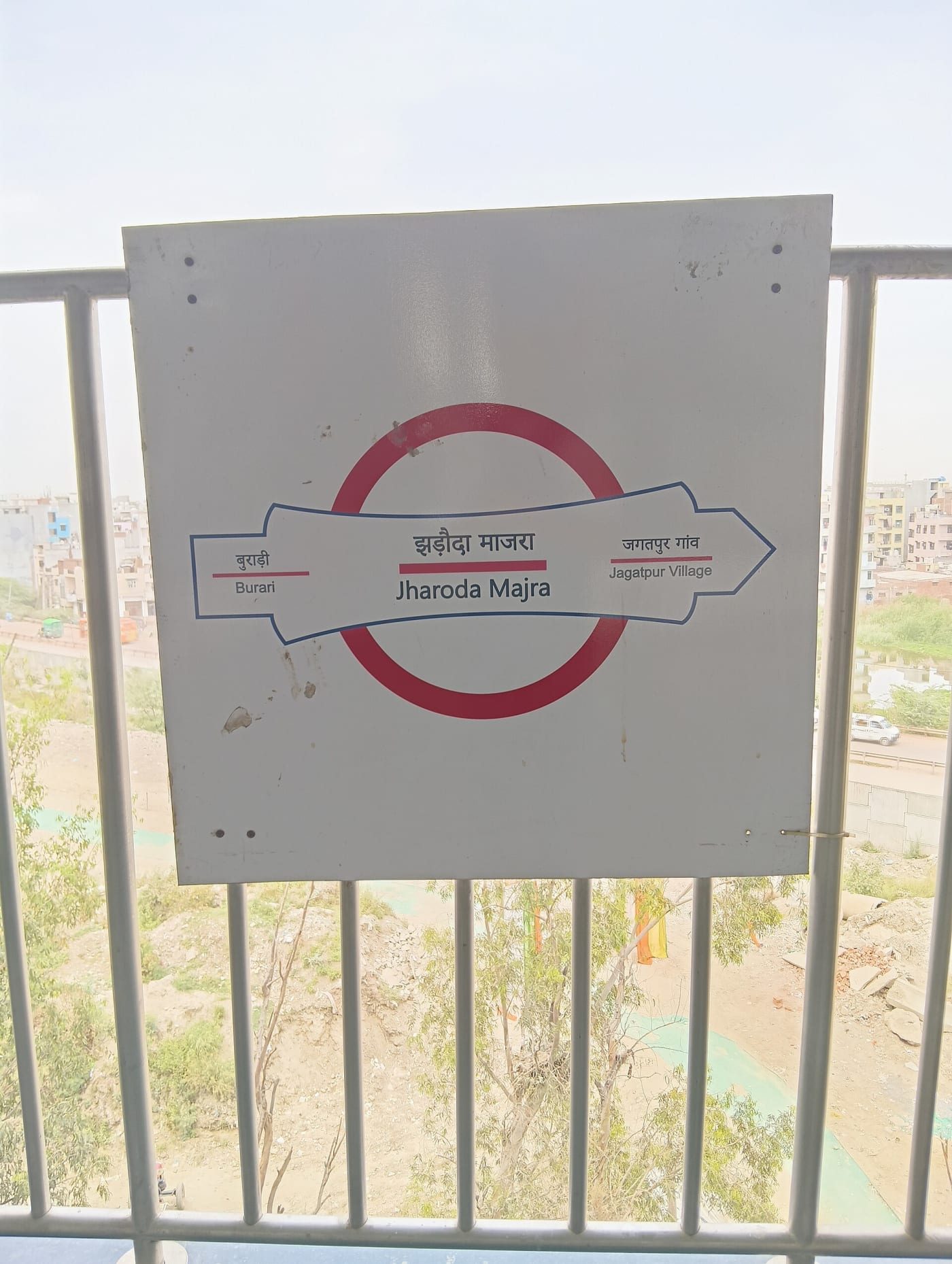
Urban metro rail expanded dramatically after 2014 — from about 248 km across five cities to about 1,095 km in 26 cities by 2025, including 55 km of the Delhi–Meerut RRTS. What began as a handful of systems, led by the Delhi Metro, became one of the fastest metro-building programmes in the world, extending into cities like Pune, Nagpur, Kanpur and Kochi.
Metro Rail
Metro Rail
Operational metro rail expanded from 248 km in 2014 to about 1,095 km by 2025, including 55 km of the Delhi–Meerut RRTS, and now runs in 26 cities — the third-largest metro network in the world.
1,095 km
Metro + Delhi–Meerut RRTS (2025)
3rd
Largest network (world)
26
Cities with metro
Key milestones since 2014
2014
248 km across five cities
When the expansion began, India's metro rail ran on 248 km in five cities, according to the Ministry of Housing and Urban Affairs.
2017
New Metro Rail Policy approved
2019
Network reaches 585 km
2020
First driverless metro operations
2024
First metro under a river
2024
945 km across 21 cities
2025
Metro network passes 1,000 km
2025
1,095 km in 26 cities
2014
1milestones
20142025
Latest
248 km across five cities
When the expansion began, India's metro rail ran on 248 km in five cities, according to the Ministry of Housing and Urban Affairs.
Why it matters Metro systems move large numbers of people quickly with low emissions, easing road congestion in major cities.
- Operational metro: 248 km (2014) → ~1,095 km (2025, incl. 55 km RRTS)
- Now operating in 26 cities
- Source: Ministry of Housing & Urban Affairs via PIB
History
Notable projects
Landmark lines mark the era. Kolkata's East-West Metro runs India's first under-river tunnel beneath the Hooghly, while the Namo Bharat Regional Rapid Transit (Delhi–Meerut) introduced India's first semi-high-speed regional rail. More than 2,000 metro coaches have been built in India under 'Make in India', and cities from Ahmedabad to Bengaluru have opened major new corridors.
How it works
Metros are usually built and run by a special-purpose company jointly owned by the central and state governments (like DMRC in Delhi), which keeps each project focused and professionally managed. Lines are planned around expected ridership and funded through a mix of government equity, cheap long-term loans (often Japanese JICA finance) and property development around stations. Fares alone rarely cover costs, so the model leans on transit-oriented development — dense housing and offices clustered near stations.
Outlook
Metro networks continue to grow across tier-1 and tier-2 cities, with new lines under construction in most major metros and the Namo Bharat RRTS expanding to more corridors around Delhi. The focus is shifting toward integrated urban mobility — linking metro, suburban rail, buses and last-mile services under common ticketing.
By the numbers
248 → ~1,095 km operational metro (2014→2025), including 55 km of the Delhi–Meerut RRTS. 5 → 26 cities with metro. India's first under-river metro (Kolkata) and semi-high-speed RRTS (Namo Bharat). Sources: Ministry of Housing & Urban Affairs, PIB.
Data current to: 2025 (PIB, March 2026)
Source: Ministry of Housing and Urban Affairs via PIB — operational metro route km. PIB, March 2026: 248 km in 2014 to about 1,095 km by 2025 across 26 cities, including 55 km of the Delhi–Meerut RRTS (linked). Earlier PIB figures: more than 515 km (October 2018), 585 km (February 2019), 945 km (August 2024), 993 km (December 2024) and 1,090 km (November 2025). These fall on irregular dates and mostly do not say whether the RRTS is included, so no year-by-year chart is shown. · link