The Inland Waterways Authority of India (IWAI) was set up under a 1985 Act to develop and regulate waterways for shipping and navigation. Until 2016 only 5 National Waterways existed, each declared under a separate Act. The National Waterways Act, 2016, enacted on 25 March 2016 and in force from 12 April 2016, declared 106 new waterways, taking the total to 111. In December 2018, 13 of them were operational for shipping and navigation.
Inland Waterways
Inland Waterways
Before 2016, India had 5 National Waterways, each declared under a separate law. The National Waterways Act, 2016 declared 106 more, making 111, with a total length of 20,187 km across 23 States and 4 Union Territories. As of March 2026, 32 of them were operational, covering 5,155 km. Cargo on National Waterways rose from 18.07 million tonnes in 2013-14 to 145.84 million tonnes in 2024-25. The counter shows cargo moved on National Waterways in million tonnes a year.
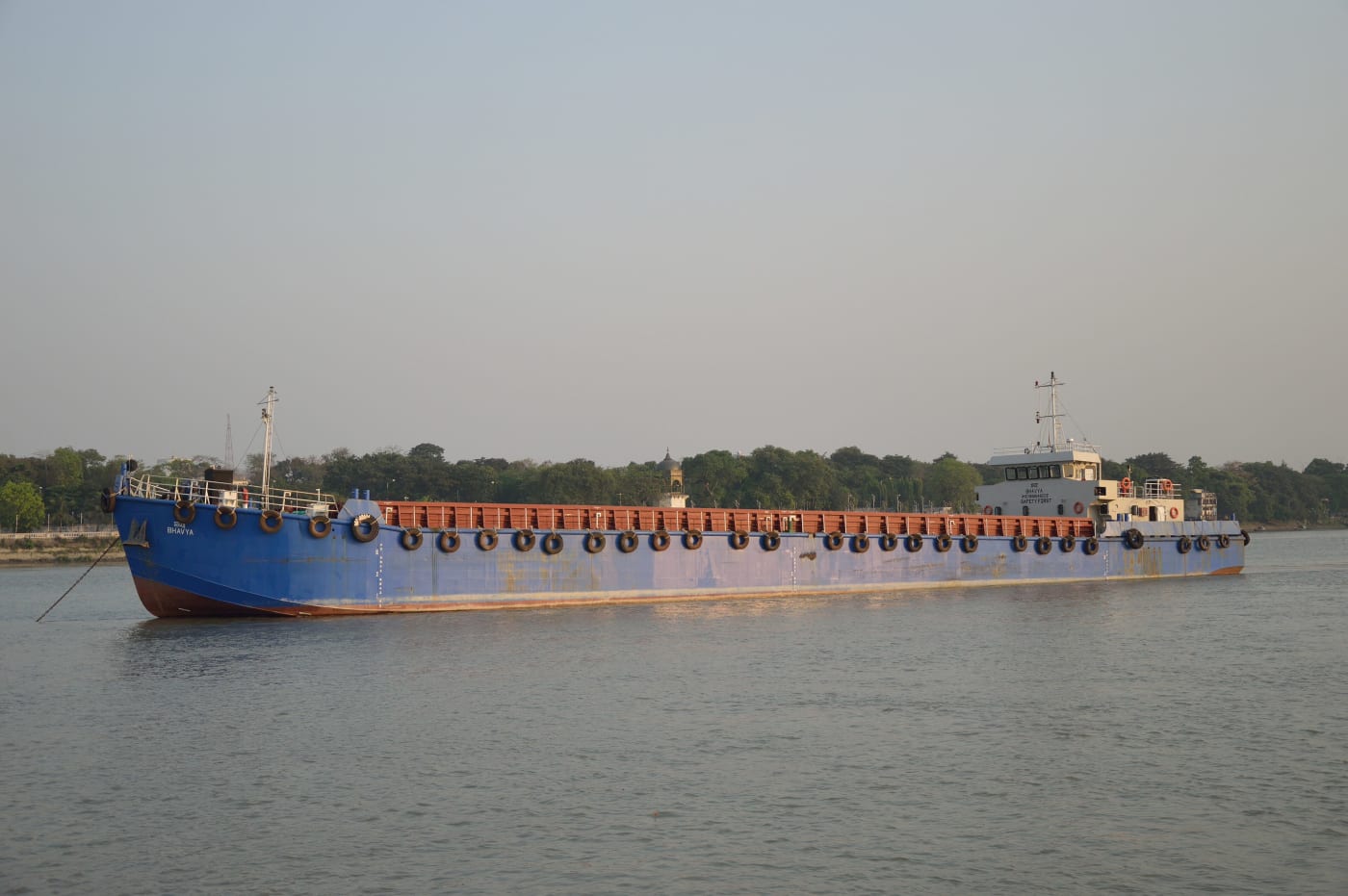
5 → 111
National Waterways, under the 2016 Act (in force 12 April 2016)
32
Operational National Waterways, 5,155 km (March 2026)
3 → 25
River cruise vessels (2013-14 → 2024-25)
Cargo on National Waterways
| Year | Cargo on National Waterways |
|---|---|
| 2014 | 18.07 MMT |
| 2020 | 73.64 MMT |
| 2021 | 83.61 MMT |
| 2022 | 108.79 MMT |
| 2023 | 126.15 MMT |
| 2024 | 133.03 MMT |
| 2025 | 145.84 MMT |
| Dashed bars are years the source does not publish; the shape between published years is drawn, not measured. | |
2014
0.00MMT
Cargo on National Waterways
20142025
Since 2014
Added
+127.77 MMT
2014
18.07 MMT
2025
145.84 MMT
Dashed bars are years the source does not publish; the shape between published years is drawn, not measured.
Why it matters Bulk goods such as coal, iron ore and fly ash can move by barge instead of by truck or train, which uses less fuel and eases pressure on roads and railways. Waterways also carry passengers and river cruises, and support jobs in towns along the rivers.
- National Waterways Act, 2016 in force from 12 April 2016: 111 National Waterways (5 existing, 106 new)
- Operational National Waterways: 13 (December 2018), 29 (FY 2024-25), 32 (March 2026)
- Cargo on National Waterways: 198 MMT in FY 2025-26 up to February 2026 (part-year figure)
- MV Ganga Vilas river cruise flagged off from Varanasi on 13 January 2023; maiden trip ended at Dibrugarh on 28 February 2023
- Harit Nauka guidelines for green inland vessels launched on 8 January 2024
- Passengers on National Waterways: 1.61 crore (2023-24) → 7.6 crore (2024-25)
History
Notable milestone
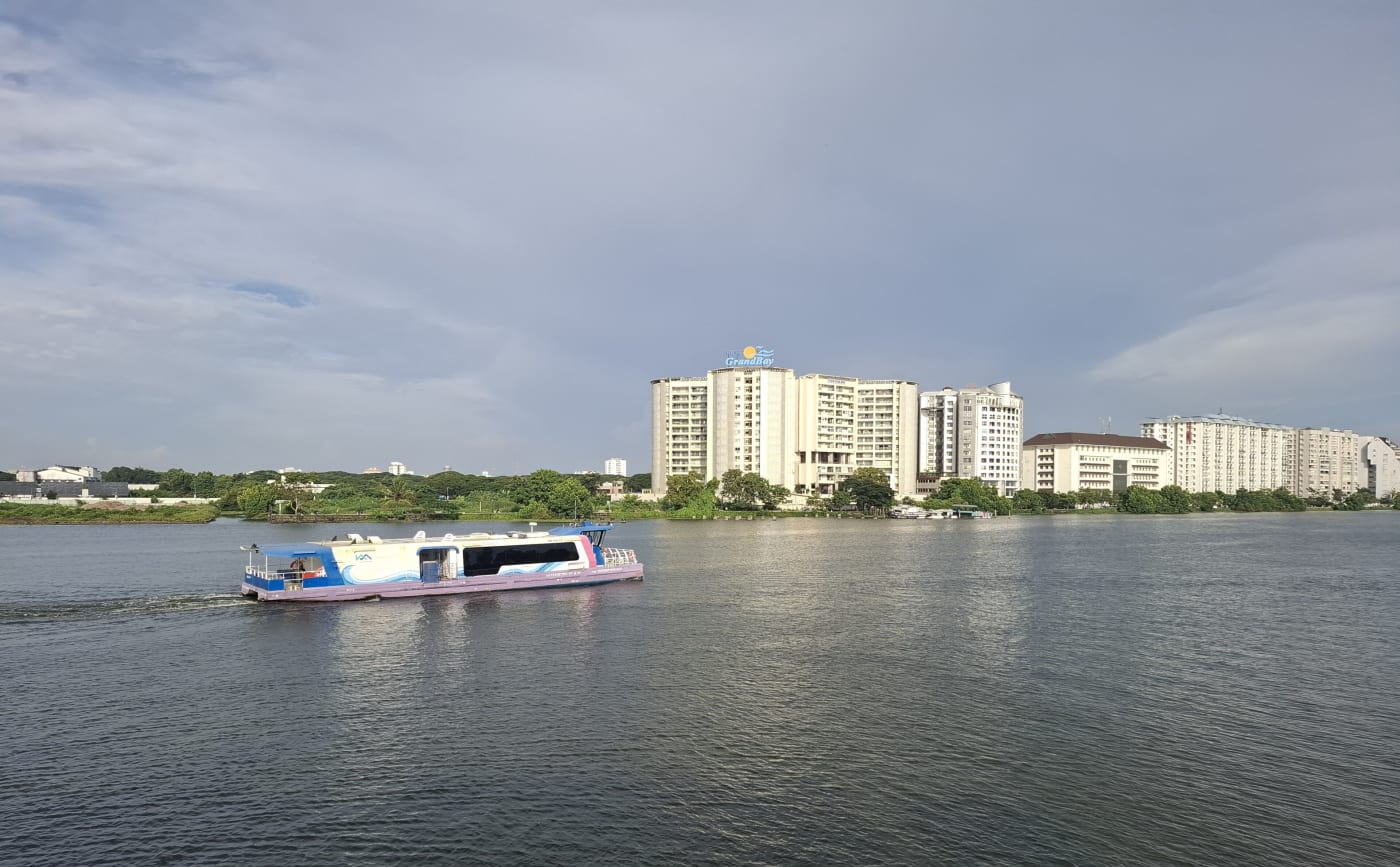
On 13 January 2023, the river cruise vessel MV Ganga Vilas was flagged off from Varanasi for a voyage of around 3,200 km in 51 days to Dibrugarh in Assam, via Bangladesh, across 27 river systems. The vessel has three decks and 18 suites for 36 tourists, and it completed its maiden trip at Dibrugarh on 28 February 2023. River cruise voyages on National Waterways rose from 371 in 2023-24 to 443 in 2024-25. Cruise vessels increased from 3 in 2013-14 to 25 in 2024-25.
How it works
A waterway counts as operational once it has a channel of adequate depth and width, working terminals and navigation aids. On NW-1 (the Ganga), the Jal Marg Vikas Project was approved by the Cabinet on 3 January 2018 at ₹5,369.18 crore, with World Bank support, and was then expected to finish by March 2023. By April 2026, a ₹5,061.15 crore project covering 1,390 km from Varanasi to Haldia was targeted for completion by 30 June 2026, and it aims at an assured depth of 2.2 to 3.0 metres for at least 330 days a year. Multimodal terminals at Varanasi, Sahibganj and Haldia and an inter-modal terminal at Kalughat have been built, and NW-1 cargo rose from 5.05 MMT in 2014-15 to 16.38 MMT in 2024-25. Since 15 December 2024, the Jalvahak scheme has reimbursed up to 35% of the operating cost of a waterway journey on NW-1, NW-2 and NW-16.
Outlook
The Harit Nauka guidelines, launched on 8 January 2024, aim to convert at least 1,000 inland vessels to green fuels over 10 years and reach 100% green vessels by 2047, with States asked to shift 50% of their passenger fleet by 2033 and 100% by 2045. The Union Budget 2026-27 announced that 20 new National Waterways will be made operational over five years, and the number of operational waterways is proposed to reach 52 in that time. The Maritime Amrit Kaal Vision sets cargo goals of more than 200 MMT by 2030 and 500 MMT by 2047. For FY 2025-26, cargo stood at 198 MMT up to February 2026.
By the numbers
18.07 → 145.84 MMT cargo on National Waterways (FY 2013-14 → FY 2024-25). 111 National Waterways, 20,187 km (2016 Act). 32 operational, 5,155 km (March 2026). 16.38 MMT cargo on NW-1 (2024-25). 7.6 crore passengers (2024-25). ₹5,061.15 crore Jal Marg Vikas Project on NW-1 (April 2026). Sources: Ministry of Ports, Shipping and Waterways and IWAI, via PIB; Parliament replies.
Data current to: cargo to FY 2024-25; network as of March 2026
Source: Ministry of Ports, Shipping and Waterways via PIB — cargo moved on National Waterways in million tonnes, by financial year (labelled by the year it ends): FY 2013-14 from a Rajya Sabha reply of 12 February 2026 (linked), FY 2019-20 from a Lok Sabha reply of 30 July 2024, and FY 2020-21 to FY 2024-25 from a reply of 12 August 2025. FY 2014-15 to FY 2018-19 are not shown because no official total for those years was found. The headline's source is the 12 February 2026 reply (linked). An April 2025 release gave FY 2024-25 as 145.5 MMT; the later replies give 145.84 MMT. · link