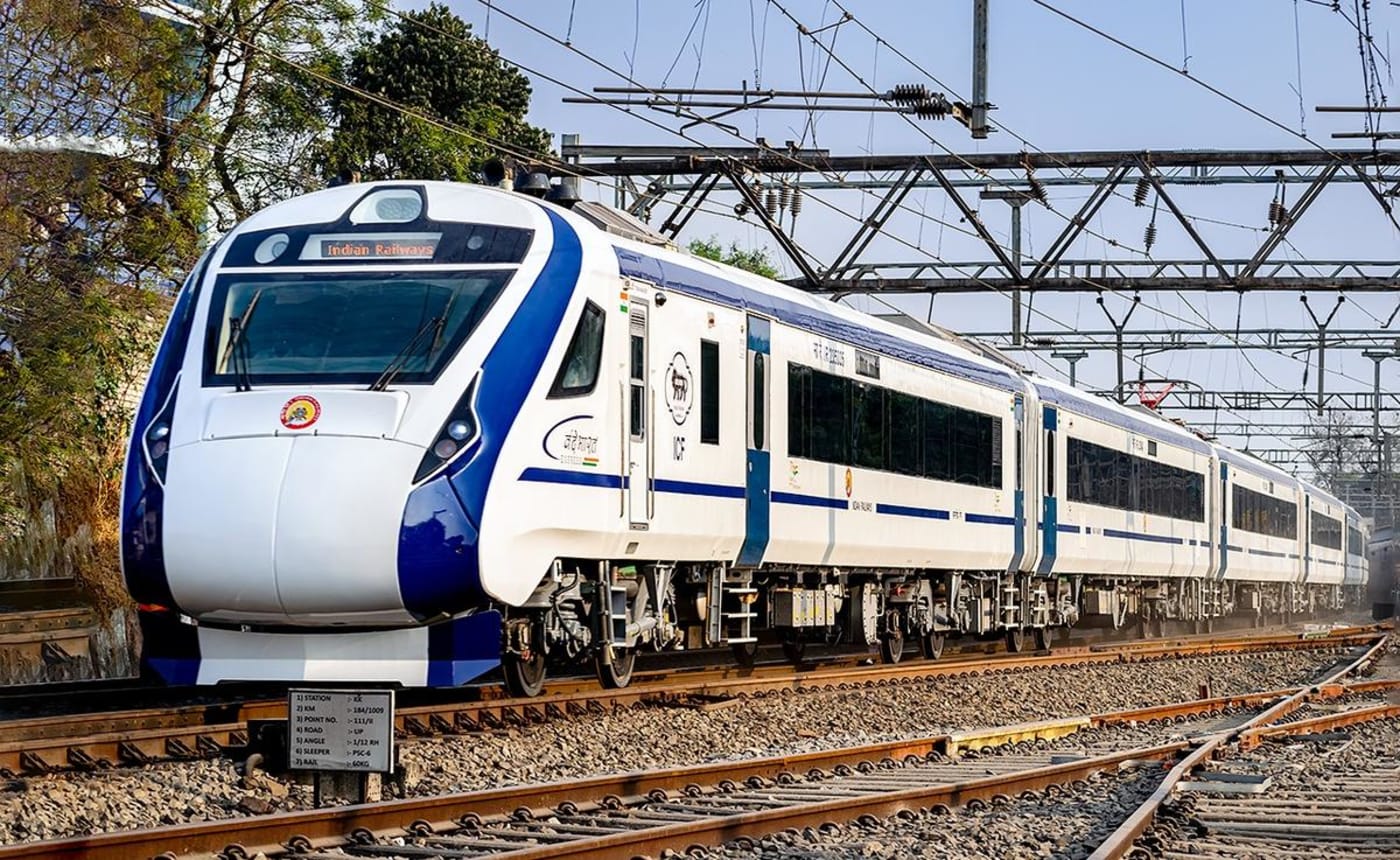
India's first bullet train — the 508-km Mumbai–Ahmedabad corridor — was agreed with Japan in 2015 using Shinkansen technology, with its foundation stone laid in 2017. With a design speed of 350 km/h and an operating speed of 320 km/h, it will connect the two cities in about 1 hour 58 minutes.
High-Speed Rail
High-Speed Rail
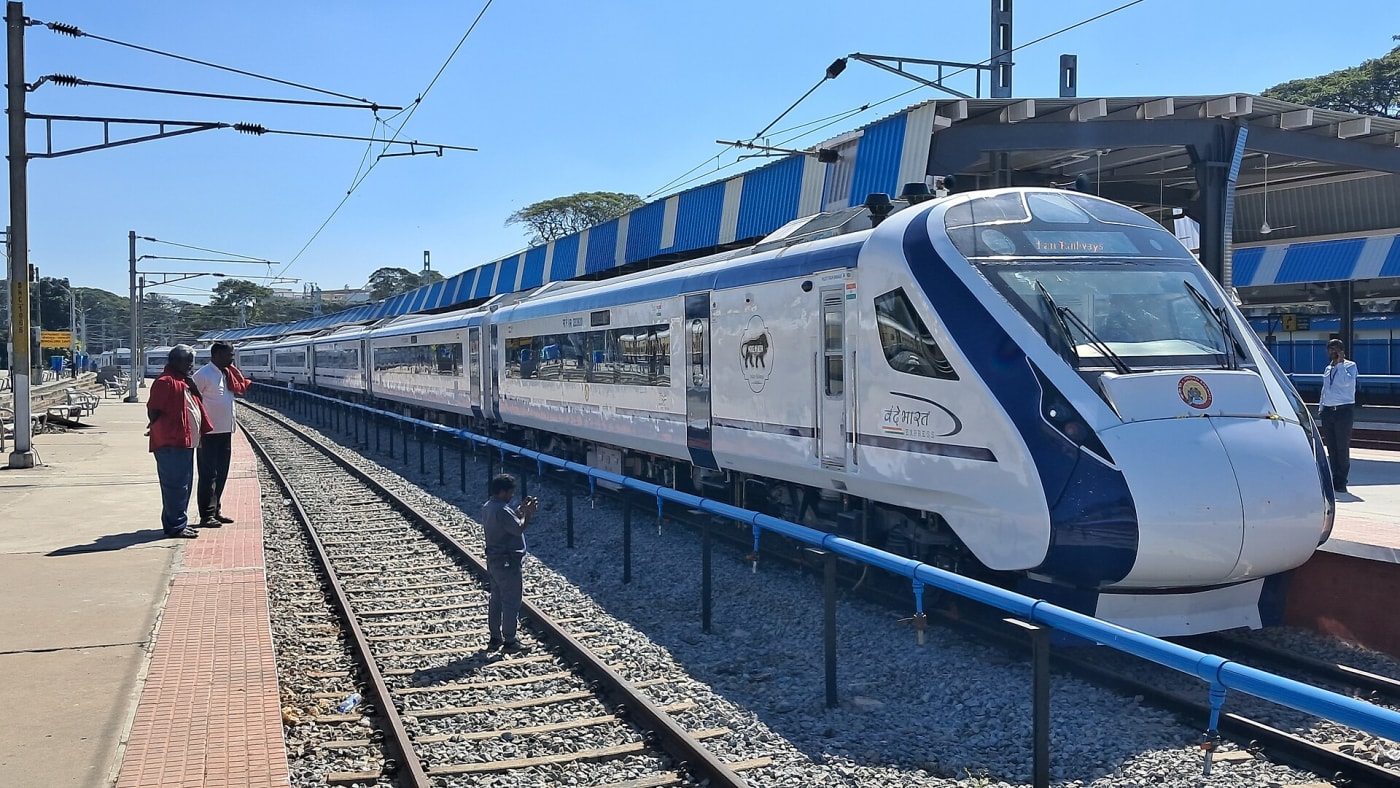
India is building its first bullet train: the 508-km Mumbai–Ahmedabad High-Speed Rail corridor, using Japanese Shinkansen technology and built for an operating speed of 320 km/h — linking the two cities in about 1 hour 58 minutes. The foundation stone was laid in 2017; by July 2026, 356 km of viaduct girders were in place and India's first undersea rail tunnel was under construction, with the first service expected in August 2027. This timeline traces the build.
508 km
Mumbai–Ahmedabad HSR
320 km/h
Operating speed (design 350)
2027
First service expected (August)
India's first bullet train
2015
India–Japan bullet-train pact
India and Japan agree to build India's first high-speed rail line using Shinkansen technology, with a soft loan covering most of the cost.
2017
Foundation stone laid
2024
119 km of girders launched
2026
356 km of girders launched
2027
First service expected
2015
1milestones
20152027
Latest
India–Japan bullet-train pact
India and Japan agree to build India's first high-speed rail line using Shinkansen technology, with a soft loan covering most of the cost.
Why it matters High-speed rail brings fast, clean, high-capacity transport between major cities and builds India's own expertise in advanced rail engineering.
- 508 km, 320 km/h operating speed, Shinkansen tech; ₹1.08 lakh crore sanctioned
- First undersea rail tunnel; first service expected August 2027
- Source: Ministry of Railways (PIB, Lok Sabha)
History
Building it
By July 2026, 452 km of piers and 356 km of girders were in place, 17 river bridges had been completed by February 2026, and 4.8 km had been dug of the ~21-km tunnel that includes India's first undersea rail section beneath Thane Creek. The first service is expected in August 2027; the Railways say a completion date for the full line can be fixed only once all works and trainsets are ready.
How it works
India's first bullet train, the 508-km Mumbai–Ahmedabad corridor, is being built with Japanese Shinkansen technology and largely Japanese (JICA) soft loans. It runs on a dedicated corridor, about 90% of it elevated — no level crossings, no shared lines — allowing an operating speed of 320 km/h. The knowledge and skills from this first project are meant to seed a wider network of high-speed corridors India can build itself.
Outlook
The flagship corridor is costly (about ₹1.08 lakh crore) and land acquisition pushed it years past its original date — the first service is now expected in August 2027. The real question is whether the economics justify extending high-speed rail to more corridors (Budget 2026-27 named seven more, including Delhi–Varanasi and Chennai–Bengaluru), and how much of the technology India can localise to bring costs down.
By the numbers
508 km; 320 km/h operating (350 design); Shinkansen; ₹1.08 lakh crore sanctioned; 356 km of girders (July 2026); first undersea rail tunnel; first service expected August 2027. Source: Ministry of Railways (PIB, Lok Sabha).
Data current to: Progress as at 22 July 2026
Source: Ministry of Railways (PIB and Parliament) — Mumbai–Ahmedabad High-Speed Rail, 508 km; design speed 350 km/h, operating speed 320 km/h. India–Japan agreement 12 December 2015; foundation stone 14 September 2017; sanctioned cost ₹1,08,000 crore. PIB, June 2026: first service expected in August 2027 (linked). Lok Sabha, 22 July 2026: 452 km of piers, 356 km of girders and 209 km of track bed complete; 4.8 km of the ~21-km tunnel dug. · link