India's overland trade westward has always run into a closed border: Pakistan does not permit Indian goods transit to Afghanistan and Central Asia. For decades that left an entire neighbourhood commercially out of reach, and Indian trade with Europe and Russia dependent on the long Suez sea route.
Global Trade Corridors
Global Trade Corridors
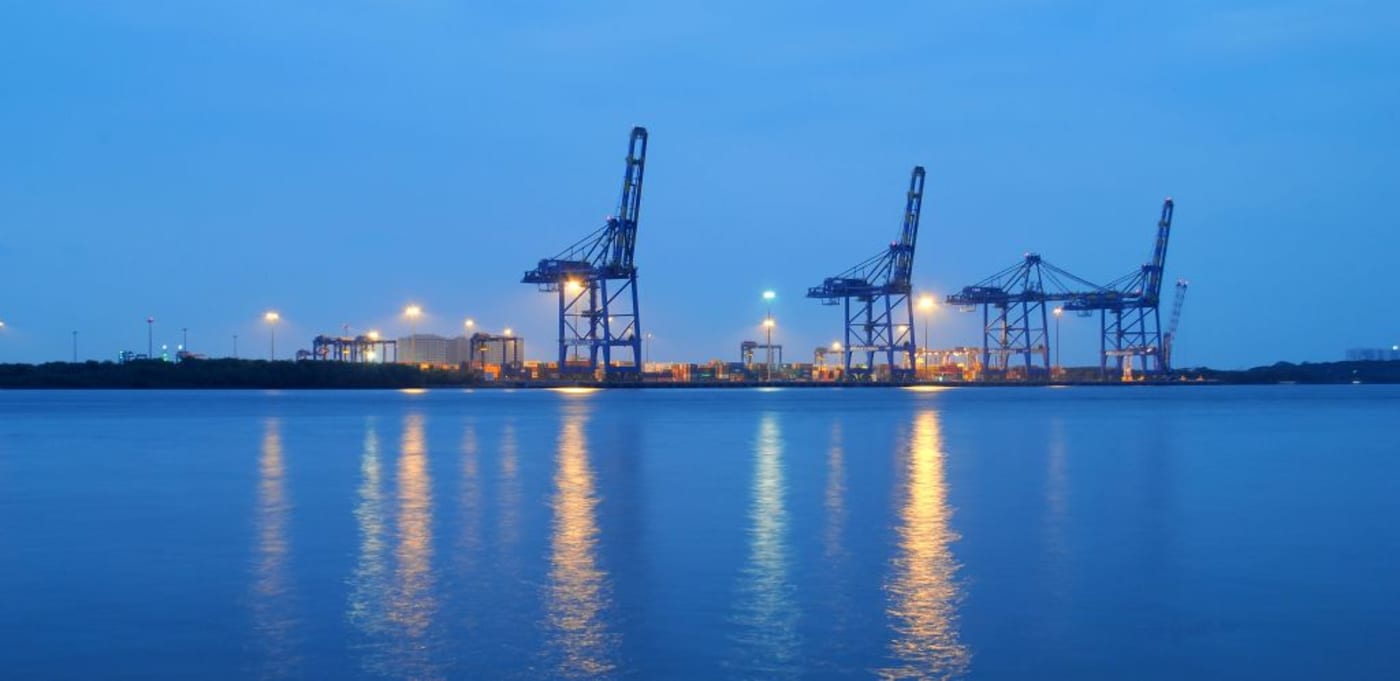
India spent the decade building trade routes that do not depend on any single neighbour or chokepoint. Chabahar port in Iran — India's first overseas port operation — opened a sea route to Afghanistan and Central Asia bypassing Pakistan, and was locked in with a ten-year contract in 2024. The International North-South Transport Corridor cut transit time to Russia and Europe against the Suez route. And at the G20 in Delhi in 2023, India anchored the India-Middle East-Europe Economic Corridor. This timeline traces those routes.
IMEC
Launched at the G20, 2023
10 yrs
Chabahar operating contract
7,200 km
INSTC route to Russia
Launched at the G20, 2023
2016
Chabahar trilateral agreement
India, Iran and Afghanistan sign the Chabahar transit agreement, giving India a sea route to Afghanistan and Central Asia that bypasses Pakistan. India commits to developing the Shahid Beheshti terminal.
2018
India takes over Chabahar operations
2020
INSTC gathers pace
2023
IMEC launched at the G20 in Delhi
2024
Ten-year Chabahar contract
2025
Corridor work advances
2016
1milestones
20162025
Latest
Chabahar trilateral agreement
India, Iran and Afghanistan sign the Chabahar transit agreement, giving India a sea route to Afghanistan and Central Asia that bypasses Pakistan. India commits to developing the Shahid Beheshti terminal.
Why it matters Trade routes are strategy. A corridor that avoids a hostile border, or a chokepoint that can be closed, is worth more than a tariff cut. IMEC connects India to Europe through the Gulf by rail and sea with an energy and data cable alongside; INSTC and Chabahar open Central Asia. Together they reduce the cost and the political risk of Indian trade.
- IMEC — the India-Middle East-Europe Economic Corridor — was launched at the New Delhi G20 in September 2023.
- Chabahar is India's first overseas port operation, secured with a ten-year contract in 2024.
- The INSTC is a 7,200 km multimodal route to Russia and Europe via Iran, cutting time against the Suez route.
- IMEC signatories include India, the UAE, Saudi Arabia, the EU, France, Germany, Italy and the US.
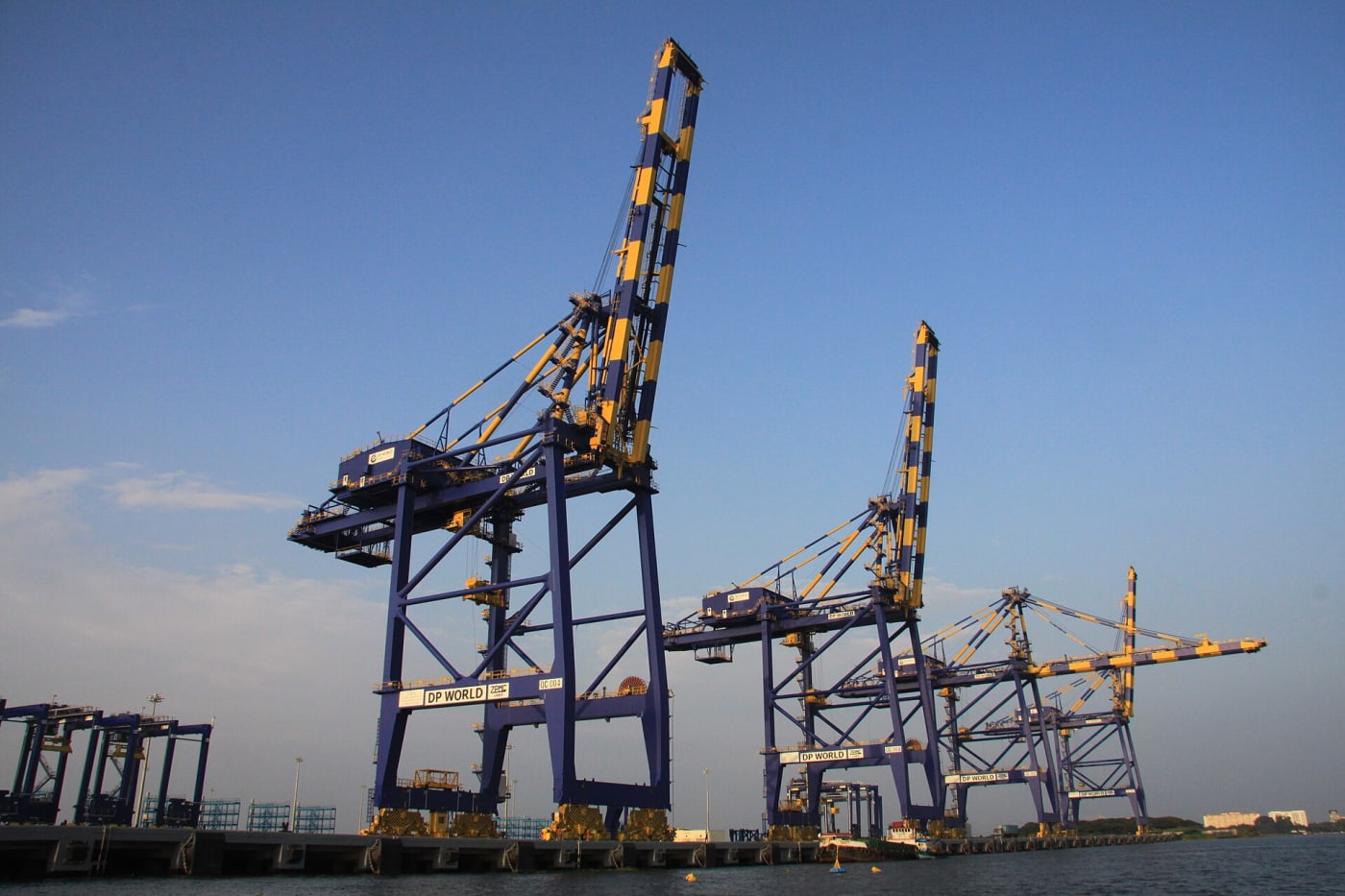
History
Notable milestone
At the New Delhi G20 in September 2023, India, the UAE, Saudi Arabia, the European Union, France, Germany, Italy and the United States signed the memorandum for the India-Middle East-Europe Economic Corridor (IMEC) — a ship-to-rail route from western India through the Gulf to Europe, with an electricity and data-cable spine running alongside it.
How it works
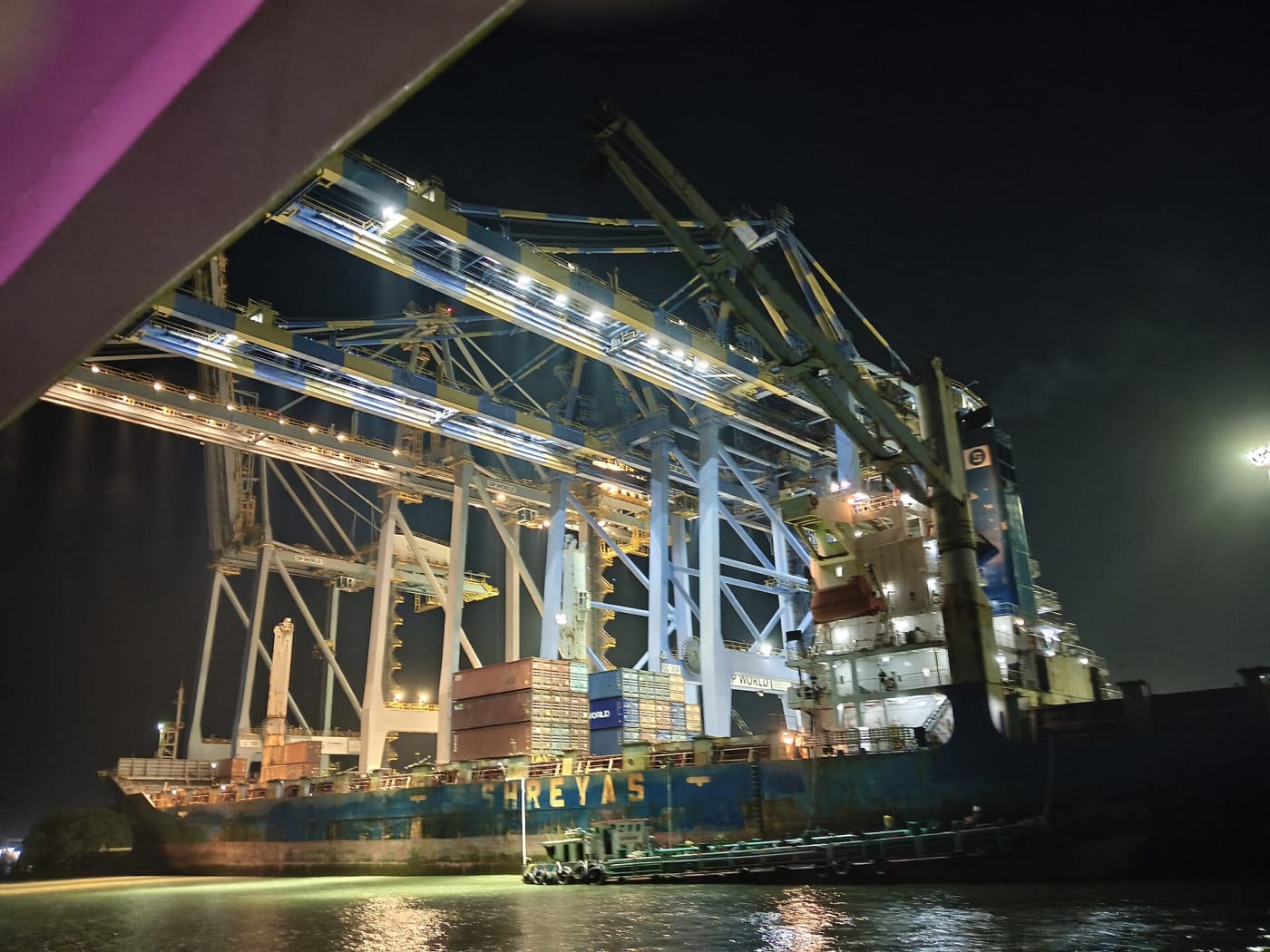
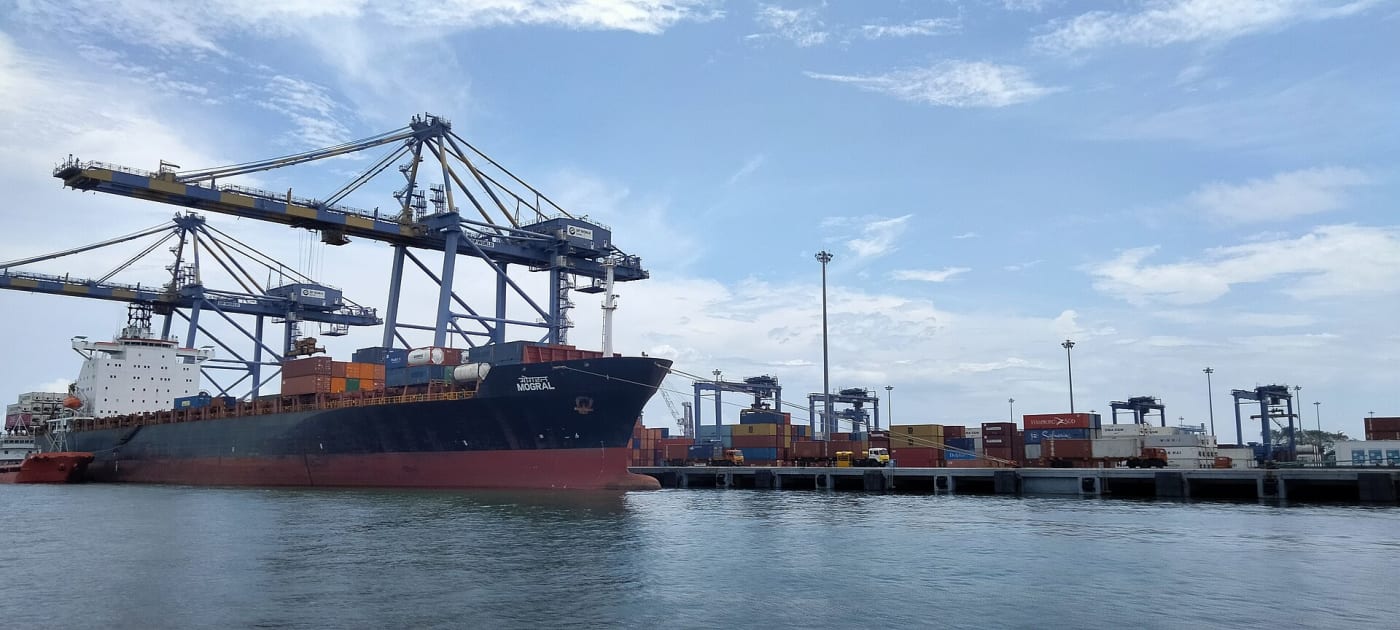
Three routes work in parallel. Chabahar in Iran gives India a port it operates itself, opening Afghanistan and Central Asia while bypassing Pakistan entirely — secured with a ten-year contract in 2024. The INSTC, a 7,200 km multimodal corridor through Iran to Russia, cuts transit time and cost against Suez. IMEC links India to Europe through the Gulf. Each reduces dependence on any single route or chokepoint.
Outlook
Corridors are paired with port capacity at home. Sagarmala modernised and expanded India's ports, the Vadhavan deep-water port was approved to handle the largest container ships, and the Maritime Amrit Kaal Vision 2047 sets the long-term build-out. Together they make India a transshipment hub rather than a spur on someone else's network.
By the numbers
IMEC launched at the New Delhi G20, September 2023, with 8 signatories. Chabahar — India's first overseas port operation, 10-year contract signed 2024. INSTC — 7,200 km multimodal route to Russia via Iran. Sources: MEA, Ministry of Ports, Shipping & Waterways, PIB.
Data current to: 9 September 2023
Source: MEA / Ministry of Ports, Shipping & Waterways — IMEC, INSTC and Chabahar milestones, 2014→2025. · link