For decades, freight and passenger trains shared the same congested tracks, slowing both. The answer was the Dedicated Freight Corridors — two purpose-built, freight-only routes. The Eastern DFC (Ludhiana–Sonnagar, 1,337 km) and Western DFC (JNPT–Dadri, 1,506 km) together span 2,843 km, and the entire network became operational on 8 September 2026, when the final Western corridor sections to JNPT were commissioned.
Dedicated Freight Corridors
Dedicated Freight Corridors
Before 2014 not a single kilometre of Dedicated Freight Corridor was commissioned. The final sections of the full 2,843 km network, Eastern and Western corridors, were commissioned on 8 September 2026, making the whole network operational.

2,843 km
Total DFC network
100%
Network operational (Sept 2026)
45%
Rail freight-share target 2030
Key milestones since 2014
2020
Bhaupur–Khurja section opens
2021
Rewari–Madar section commissioned
2022
1,610 km completed
2023
1,724 km commissioned
2024
Eastern corridor fully built
2025
2,741 km operational
2025
403 freight trains a day
2026
Full 2,843 km network operational
2014
0milestones
20142026
Why it matters Freight-only corridors let goods trains run faster and free up passenger lines, lowering logistics costs.
- DFC commissioned: 0 (2014) → 2,843 km (8 September 2026), the full network
- Eastern DFC (1,337 km) and Western DFC (1,506 km) both commissioned
- Source: Ministry of Railways / DFCCIL via PIB
History
Notable projects
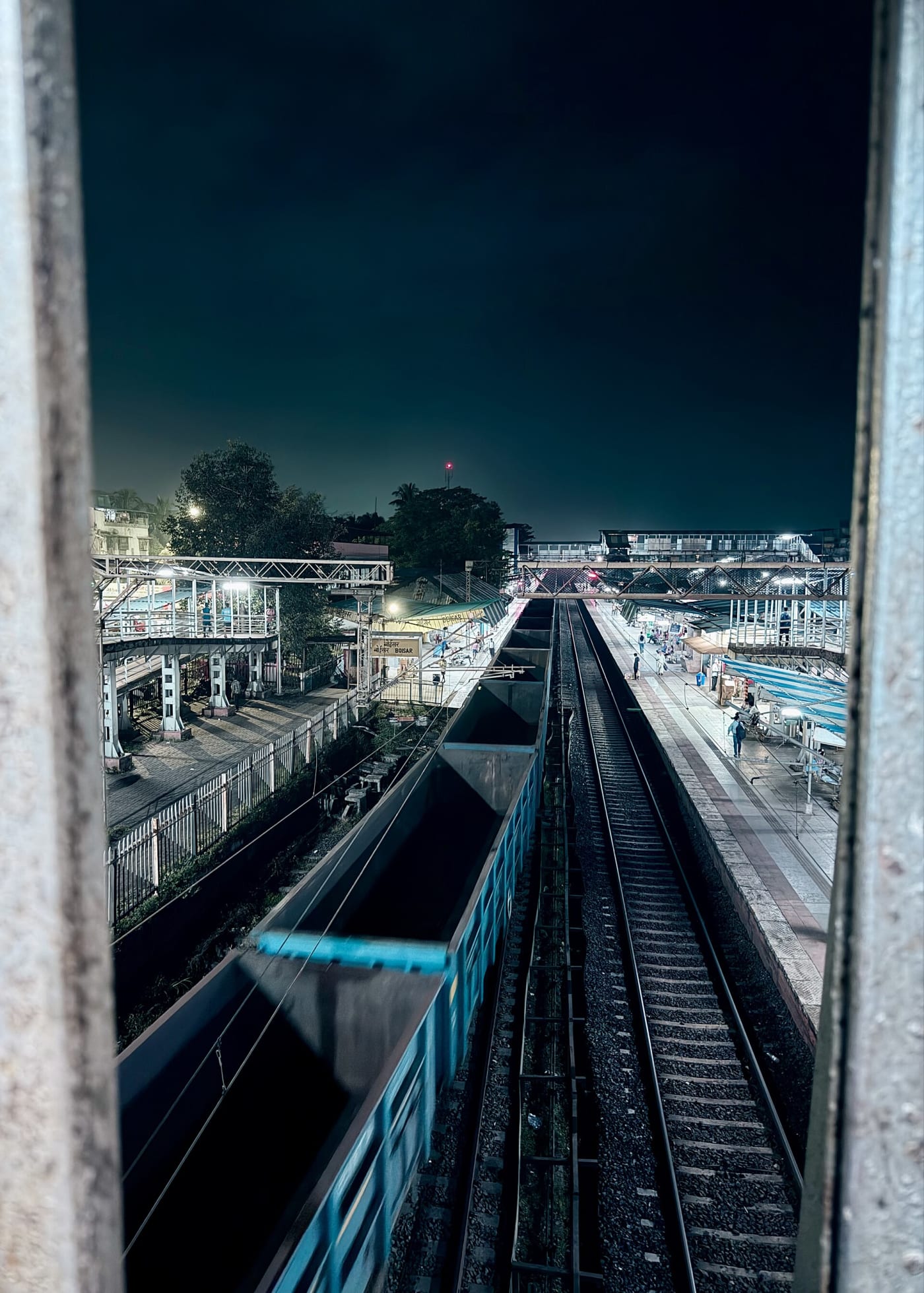
The corridors are engineered for heavy, fast freight: track designed for 32.5-tonne axle loads (trains start at 25 tonnes), double-stacked containers on the Western corridor, and locomotives of 12,000 hp on the Eastern corridor and 9,000 hp on the Western. More than 430 freight trains a day now run on the corridors. By moving goods off the trunk lines, the DFCs also free up capacity for more passenger services with better punctuality.
How it works
On India's busiest routes, passenger and freight trains share the same tracks — so slow goods trains get held up behind faster passenger services. Dedicated Freight Corridors fix this by building separate, freight-only railway lines, engineered for heavier, longer, double-stacked container trains at higher speeds. Splitting freight onto its own tracks frees up the old lines for more passenger trains and slashes goods transit times.
Outlook
Before 2014 not a single kilometre existed; now the full 2,843 km network is operational — the Eastern Corridor (1,337 km) and, since 8 September 2026, the Western Corridor (1,506 km) all the way to JNPT. The next step is new corridors, led by the Dankuni–Surat east-west link that Railways has put on a fast track. The payoff is a big jump in rail's share of freight (targeted at 45% by 2030), which would cut logistics costs and carbon versus road.
By the numbers
2,843 km total (EDFC 1,337 + WDFC 1,506). 100% commissioned (8 September 2026). 247 → 403 freight trains a day (2023-24 → Nov 2025), and over 430 a day by September 2026. 32.5-tonne design axle load. Sources: Ministry of Railways, DFCCIL, PIB.
Data current to: 8 September 2026
Source: Ministry of Railways / DFCCIL via PIB — commissioned Dedicated Freight Corridor route km (Eastern 1,337 km + Western 1,506 km = 2,843 km). PIB, March 2025: 2,741 of 2,843 km (96.4%) commissioned; PIB, September 2026: the final Western corridor sections were commissioned on 8 September 2026, making the whole network operational (linked). Official figures before that fall on irregular dates and mix completed and commissioned length, so no year-by-year chart is shown. · link