India's airport map more than doubled after 2014 — from 74 operational airports to over 160 by 2025 — making India the world's third-largest domestic aviation market. The UDAN (Ude Desh ka Aam Nagrik) regional-connectivity scheme, launched in 2016, drove much of this by subsidising flights to smaller towns and reviving dormant airstrips.
Aviation
Aviation
The number of operational airports in India rose from 74 in 2014 to 163 in 2025, and stood at 165 as of 15 July 2026. Much of the growth came under the UDAN regional-connectivity scheme, which added flights to smaller cities and towns.
74 → 165
Operational airports (July 2026)
Operational airports (2014 → July 2026)
| Year | Operational airports |
|---|---|
| 2014 | 74 airports |
| 2015 | 78 airports |
| 2016 | 85 airports |
| 2017 | 92 airports |
| 2018 | 101 airports |
| 2019 | 110 airports |
| 2020 | 120 airports |
| 2021 | 131 airports |
| 2022 | 141 airports |
| 2023 | 149 airports |
| 2024 | 157 airports |
| 2025 | 163 airports |
| 2026 | 165 airports |
2014
0airports
Operational airports
20142026
Since 2014
Added
+91 airports
2014
74 airports
2026
165 airports
Why it matters More airports widen access to air travel beyond the largest metros and support regional economies and tourism.
- Operational airports: 74 (2014) → 163 (2025) → 165 (15 July 2026)
- Growth driven largely by the UDAN regional scheme
- Source: Ministry of Civil Aviation / AAI
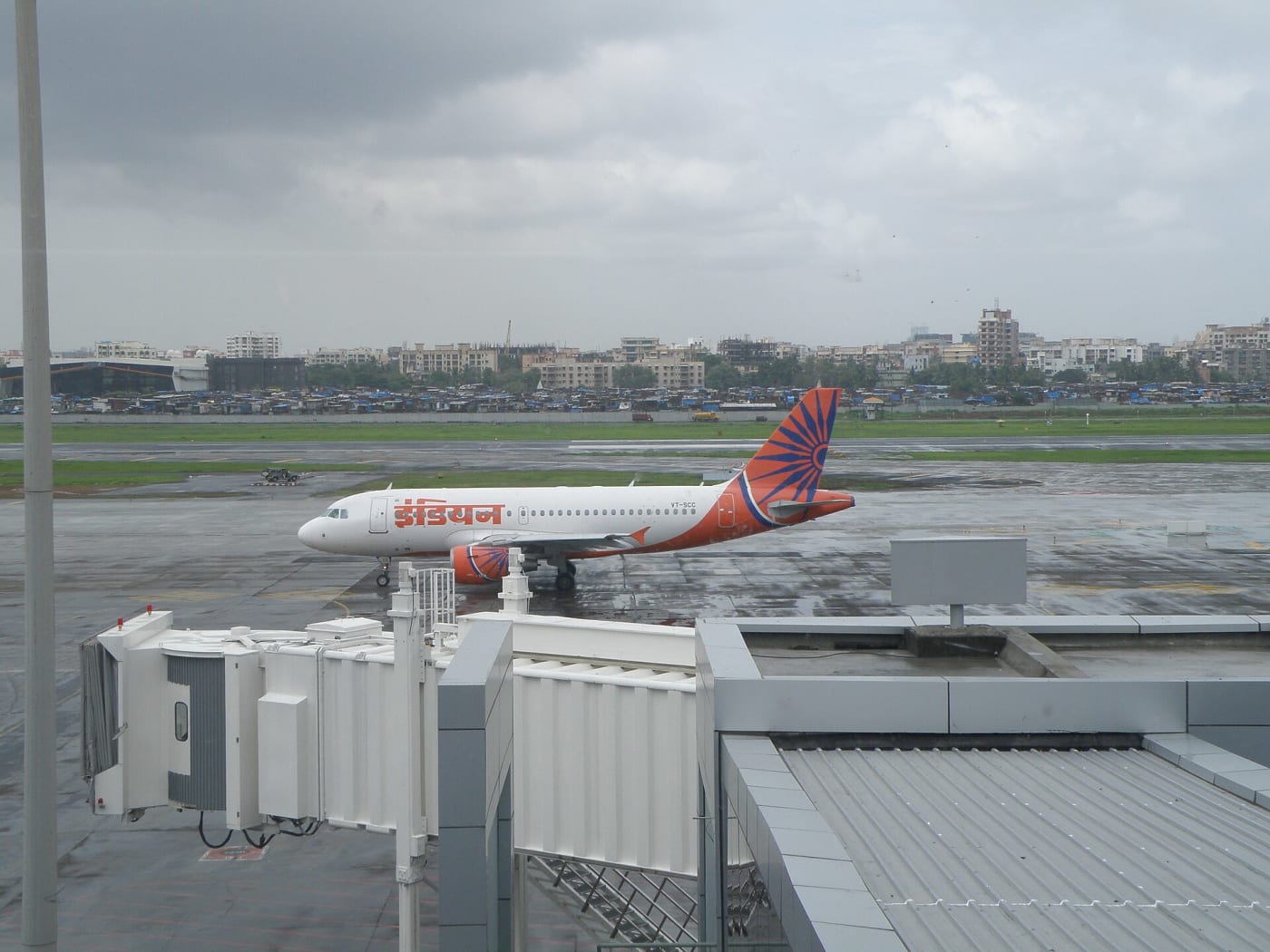
History
Notable projects
New greenfield airports anchor the expansion — Noida (Jewar), Navi Mumbai, Dholera and Puri among them — while the Bharatiya Vayuyan Adhiniyam, 2024 replaced the colonial-era Aircraft Act of 1934. Under UDAN, 663 regional routes and 95 airports, heliports and water aerodromes had been operationalised by March 2026, carrying more than 1.5 crore passengers.
How it works
India's aviation boom rests on opening the sector to private airlines and private airport operators, overseen by the regulator DGCA. Big airports are increasingly run by private firms under long public-private concessions (Adani and GMR run several), which build terminals and recover the cost through user fees. To spread flying beyond the metros, the UDAN scheme caps fares on regional routes and pays airlines a subsidy to fly to small-town airports that wouldn't otherwise be viable.
Outlook
The government targets 230 airports by 2030 and 350–400 by 2047, with passenger traffic projected to reach about 715 million a year by 2030. The Modified UDAN scheme (₹28,840 crore, 2026–2036) aims to add 120 destinations and 4 crore passengers, develop 100 airports from existing airstrips, and fund 200 helipads for remote and hilly regions.
By the numbers
74 → 160+ operational airports (2014→2025). 3rd-largest domestic aviation market. 600+ UDAN regional routes; 1.56 crore UDAN passengers. ~7.7 million jobs supported; about 1.5% of GDP. Sources: MoCA, AAI, IATA, PIB.
Data current to: As on 15 July 2026
Source: Ministry of Civil Aviation via PIB — operational airports: 74 in 2014 and 163 in 2025 (PIB, 23 October 2025, linked); 165 as of 15 July 2026 (PIB Modified UDAN backgrounder, 17 July 2026). · link