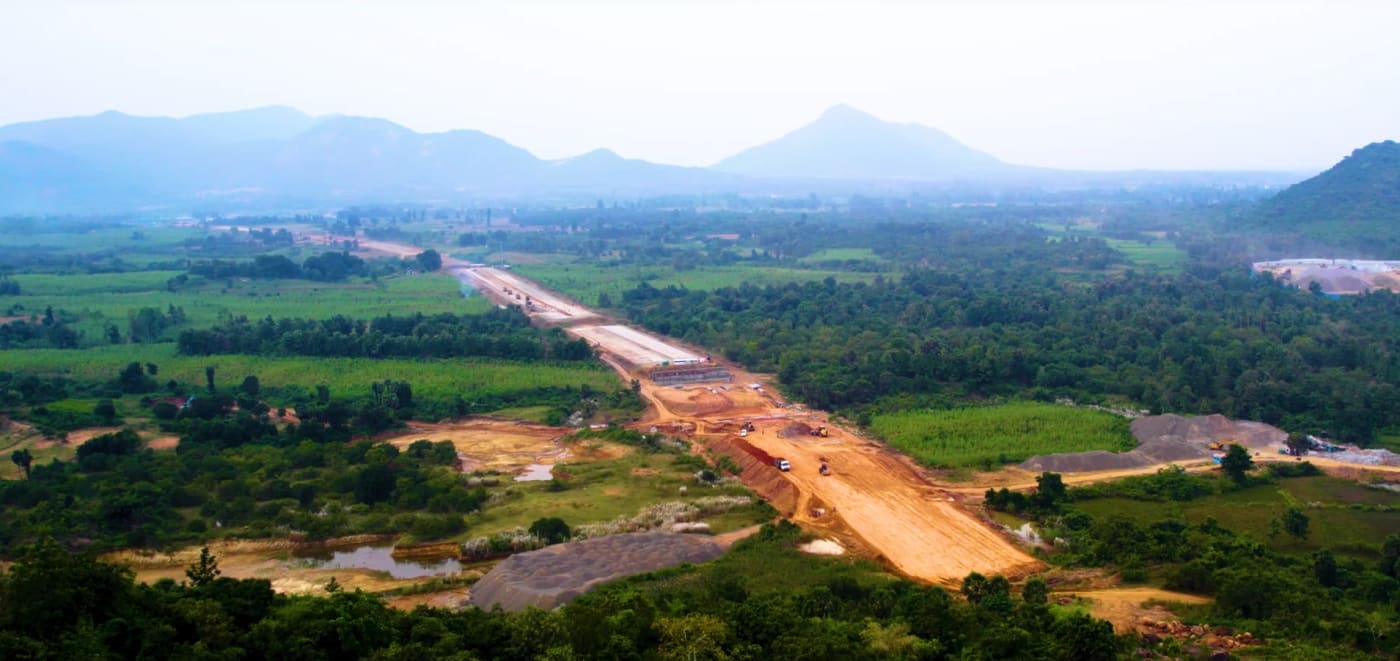
A network that grew by 60%
In 2014, India's national highway network stood at about 91,000 km. By 2025 it had grown to over 146,000 km — and the pace of building rose from around 12 km a day to about 34.
The turning point was Bharatmala Pariyojana, launched in October 2017. Its ₹5.35 lakh crore first phase planned 34,800 km of economic corridors, and by mid-2025 over 20,770 km had been completed.
The corridors that changed travel
A few flagship expressways redrew the map:
- Delhi–Mumbai Expressway — long-haul freight time cut roughly in half
- Samruddhi Mahamarg (Nagpur–Mumbai) — about 16 hours down to 8
- Bengaluru–Mysuru Expressway — 3.5 hours down to about 90 minutes
- Delhi–Meerut Expressway — 2.5 hours down to about 45 minutes
Rural roads, too
Beyond highways, the Pradhan Mantri Gram Sadak Yojana has built roughly 7.87 lakh km of all-weather village roads — about 95% of its sanctioned target.
What comes next
Bharatmala's first phase is scheduled for completion by 2027-28, and more greenfield expressways are under construction. The direction is clear: a denser, faster national grid.
Explore the live Roads sector for the full, year-by-year picture. Sources: MoRTH, NHAI, NRIDA, PIB.