An airport map that doubled
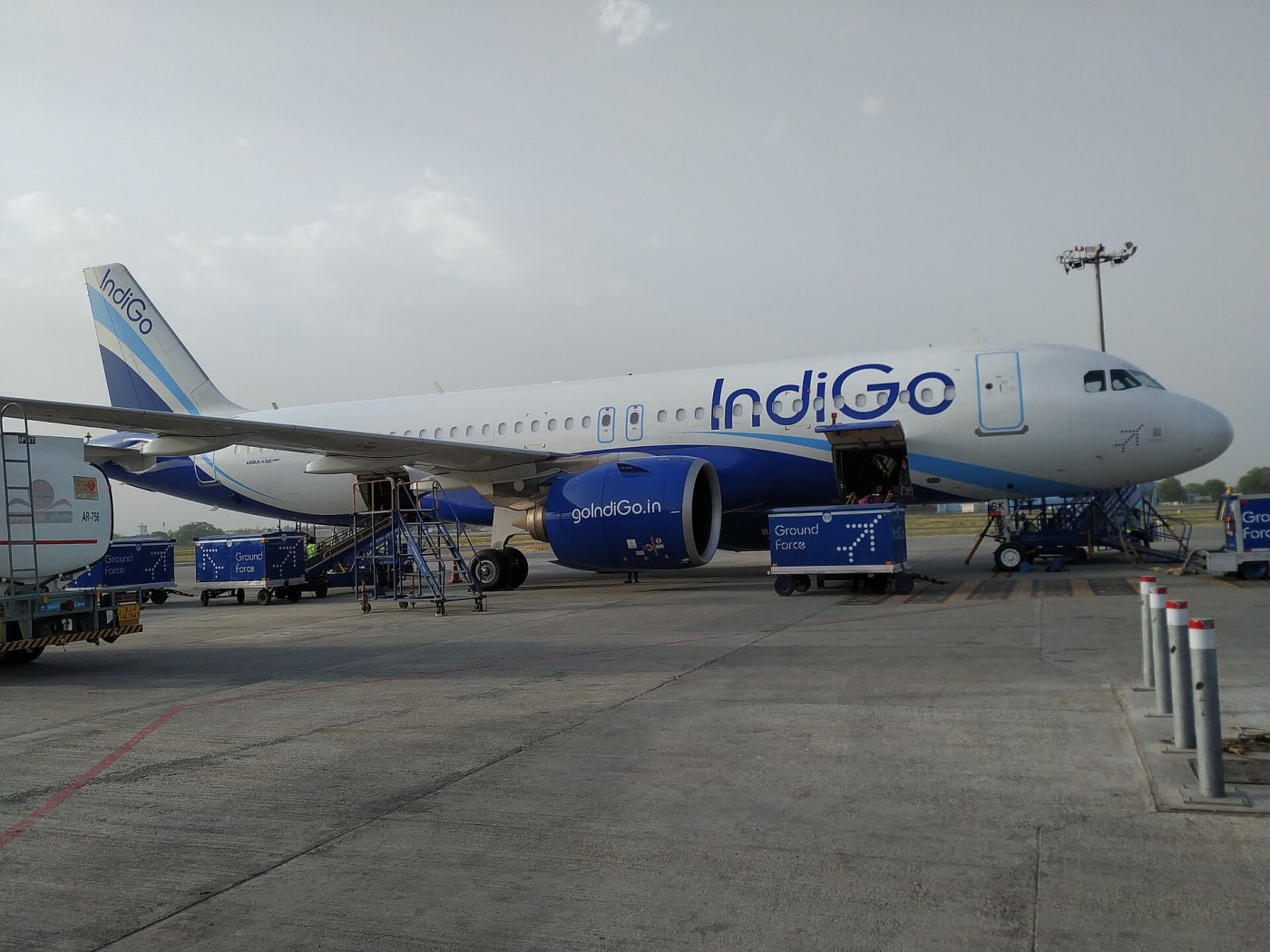
In 2014, India had 74 operational airports. By 2025 the number had passed 160, making India the world's third-largest domestic aviation market.
Much of the growth came from UDAN (Ude Desh ka Aam Nagrik), the regional-connectivity scheme launched in 2016. It subsidised flights to smaller towns and revived dormant airstrips — operationalising over 600 routes and around 90 airports, and carrying more than 1.5 crore passengers.
New airports, new rules
Greenfield airports at Noida (Jewar), Navi Mumbai, Dholera and Puri are reshaping capacity, while the Bharatiya Vayuyan Adhiniyam, 2024 replaced the colonial-era Aircraft Act of 1934.
The Modified UDAN scheme (₹28,840 crore, 2026–2036) aims to add 120 destinations, 4 crore passengers, 100 airports from existing airstrips, and 200 helipads.
What comes next
A modified UDAN scheme announced in the 2025-26 Budget aims to connect 120 new destinations over the next decade, and India is expanding pilot training at home to keep pace with its airlines' record aircraft orders.
See the Aviation sector for the full picture. Sources: MoCA, AAI, PIB.